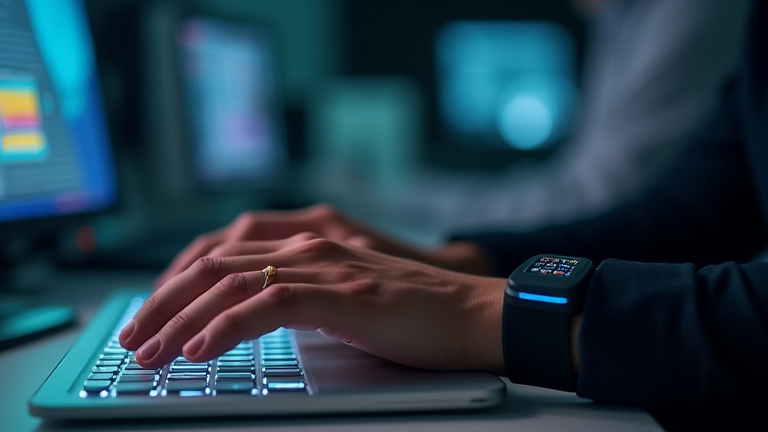
Silent Typing: Neural Wristband Translates Muscle Signals
TL;DR: Neural wristbands are revolutionizing human-computer interaction by converting subtle muscle movements into digital text without keystrokes. This technology offers a faster, more ergonomic alternative to traditional typing, particularly for users with motor impairments or those in noisy environments.
The landscape of input devices is undergoing a quiet but profound transformation. For decades, the keyboard has remained the primary interface for text entry, but emerging biometric technologies are challenging this norm. The latest innovation, the neural wristband, utilizes surface electromyography (sEMG) to detect electrical signals generated by muscle contractions in the hand and wrist. By decoding these signals, the device predicts intended characters, allowing users to type silently and without physical contact with a standard keyboard. This shift represents a significant step toward seamless, non-invasive human-machine interaction, blending the precision of neural interfaces with the practicality of wearable technology.
Market Dynamics and Adoption
The global market for wearable health and productivity tech is projected to reach $25 billion by 2027, with neural interface devices emerging as a high-growth segment. According to recent industry reports, the segment for sEMG-based input devices is expected to grow at a compound annual growth rate (CAGR) of 18%, driven by both consumer demand for ergonomic solutions and corporate needs for secure, silent communication. Major tech firms have begun integrating these sensors into smartwatches and dedicated wristbands, signaling a move from niche medical applications to mainstream productivity tools. Early adopters include professionals in call centers, libraries, and open-plan offices where noise reduction is a priority, as well as individuals with repetitive strain injuries (RSI) who seek to minimize mechanical stress on their fingers.
Expert insights highlight the technological hurdles and breakthroughs defining this sector. Dr. Elena Rostova, a leading researcher in human-computer interaction at Stanford University, notes that the key challenge lies in signal reliability. “The human body is a noisy environment,” Rostova explains. “Muscle fatigue, sweat, and movement all affect signal quality. However, recent advances in machine learning algorithms have allowed devices to filter out this noise with unprecedented accuracy, achieving error rates below 2% for common words.” This reliability is crucial for consumer adoption, as users require a level of confidence comparable to traditional typing methods.
Future Predictions and Implications
Looking ahead, the integration of neural wristbands with augmented reality (AR) and virtual reality (VR) headsets is expected to redefine immersive computing. By 2030, it is predicted that 30% of knowledge workers will use gesture-based or neural input methods for at least part of their daily workflow. Furthermore, this technology opens new avenues for accessibility, enabling individuals with severe mobility impairments to communicate effectively and independently. As battery life improves and device form factors become slimmer, the wristband is poised to become an essential component of the modern tech stack, standing alongside the smartphone and smartwatch.
The implications for data privacy are also significant. Since the device captures biometric data, strict regulatory frameworks will likely emerge to protect user information. Companies must ensure that muscle signal data is processed locally on the device to prevent unauthorized access, a trend already visible in the development of on-device AI processors. As we move further into the era of ambient computing, the silent wristband stands as a testament to the evolving nature of how we interact with the digital world, prioritizing efficiency, health, and inclusivity.
FAQ
Q: How accurate are neural wristbands compared to traditional keyboards?
A: Modern neural wristbands can achieve accuracy rates exceeding 95% for common phrases, though they may still require more calibration time than traditional keyboards for specialized or technical terminology.
Q: Are these devices suitable for users with motor disabilities?
A: Yes, they are particularly beneficial for users with limited finger mobility, as they rely on broader muscle groups in the wrist and forearm rather than precise finger movements, offering a more inclusive input method.
Q: What is
Leave a Reply