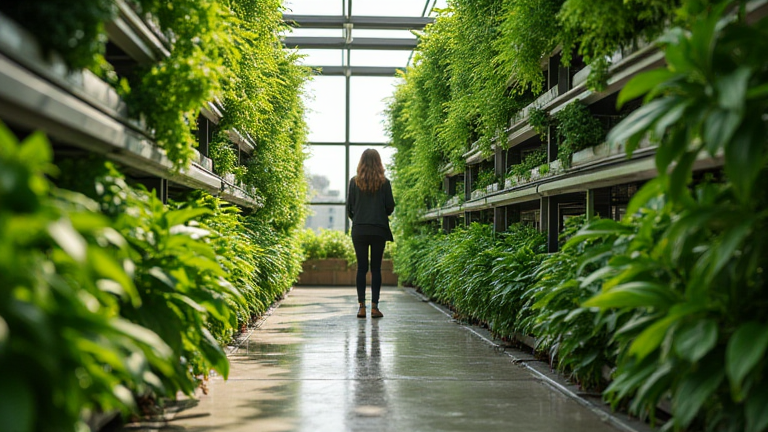
Zero-Waste Vertical Farms: Powering Urban Restaurant Chains
TL;DR: Zero-waste vertical farms reduce urban restaurant carbon footprints by up to 95% through on-site hydroponic cultivation and closed-loop water systems. This model ensures year-round supply of high-nutrient produce while eliminating food waste through precise demand-based harvesting.
The intersection of sustainable agriculture and urban gastronomy is transforming how major restaurant chains source ingredients. Traditional supply chains often transport produce thousands of miles, resulting in significant greenhouse gas emissions and nutrient loss. By integrating vertical farms directly into or adjacent to urban dining hubs, chefs can access hyper-local ingredients that retain peak nutritional value. This shift is not merely an environmental gesture but a strategic move toward operational resilience and flavor consistency that diners increasingly demand.
If you want to dig deeper, check out our guide on Why the Rise of Cold Brew Coffee is Reshaping the Specialty .
The Science of Nutrient Retention
Research published in the Journal of Agricultural and Food Chemistry indicates that leafy greens lose up to 50% of their vitamin C content within 24 hours of harvest due to oxidation. Vertical farms mitigate this by harvesting leaves only when needed, often minutes before preparation. This immediate transition from soil-less medium to kitchen minimizes oxidative stress. Furthermore, controlled-environment agriculture allows for the manipulation of light spectra, enhancing specific phytochemicals. For instance, blue light spectra can increase anthocyanin production in kale, boosting antioxidant capacity. Chefs leveraging this data can create menus that are not only sustainable but also scientifically optimized for health benefits, offering diners meals with higher bioavailability of essential vitamins and minerals.
Lifestyle Tips for the Modern Diner
Supporting zero-waste vertical farm initiatives can be part of a broader wellness lifestyle. First, prioritize restaurants that explicitly label their ingredients as “locally grown within 5 miles” or “on-site harvested.” Look for menu items featuring microgreens and leafy herbs, as these crops thrive in vertical settings and require minimal transport. Second, engage with the concept of “nose-to-tail” vegetable utilization. Many urban farms now supply whole plants, including roots and stems, which are often discarded in conventional farming. Diners should ask about preparations that use less popular parts of vegetables, such as broccoli stems or carrot tops, to minimize waste. Third, adopt a plant-forward diet at home to complement your dining choices. Incorporating more locally sourced greens into your weekly meals reduces your personal carbon footprint and aligns your daily habits with the sustainability goals of urban food systems. This holistic approach fosters a deeper connection to your food sources and promotes long-term health through fresher, cleaner ingredients.
Operational Efficiency and Economic Viability
While the initial capital investment for vertical farming technology is significant, the long-term economic benefits for restaurant chains are substantial. Reduced spoilage rates, which can reach 20-30% in traditional logistics, translate to direct cost savings. Additionally, vertical farms are less susceptible to seasonal climate variations, providing a stable supply chain that protects margins. By utilizing renewable energy sources such as solar panels and LED lighting optimized for energy efficiency, these farms further lower operational costs. The data-driven nature of vertical agriculture allows for precise inventory management, ensuring that restaurants order and cook exactly what they need. This precision eliminates the guesswork of traditional procurement, reducing financial risk and enhancing profitability. For restaurant chains, this model represents a future-proofing strategy that aligns economic incentives with environmental stewardship, creating a sustainable business model that appeals to both investors and eco-conscious consumers.
FAQ
Q: Are vertical farm crops as safe as traditionally grown produce?
A: Yes, vertical farms often have higher safety standards because they use controlled, sterile environments, reducing the risk of soil-borne pathogens and the need for chemical pesticides.
Q: Does eating food from vertical farms taste different?
A: Many chefs report that the flavors are more vibrant and intense due to the immediate harvest, as volatile compounds responsible for aroma and taste are preserved better than in transported produce.
Q: Can vertical farms grow all types of vegetables?
A: Currently, they are most efficient for leafy greens
Leave a Reply