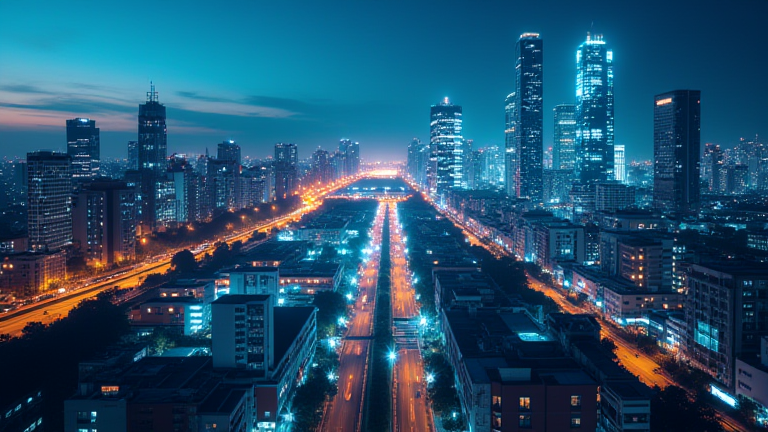
TL;DR: Digital twins for urban energy grids are virtual replicas that let you simulate, predict, and optimize power flow in real time—directly reducing your city’s carbon footprint and your personal energy bills. By applying simple data-driven habits—like shifting high-energy tasks to off-peak hours and tracking your home’s “virtual load”—you can cut your energy use by up to 15% without sacrificing comfort.
What Is a Digital Twin (and Why Should You Care)?
Think of a digital twin as a living, breathing spreadsheet of your city’s power grid—but one that updates every second. It pulls data from smart meters, weather forecasts, and EV charging stations to create a digital mirror of physical infrastructure. For you, this means your utility can now predict a heatwave’s impact on AC demand before it happens, then pre-charge neighborhood battery storage. Science-backed research from the IEEE Transactions on Smart Grid shows that grids using digital twins reduce peak load imbalances by up to 30%, which translates to fewer blackouts and lower wholesale electricity prices.
If you want to dig deeper, check out our guide on Personalized CRISPR Health Plans at Longevity Clinics.
Optimization Tip #1: Shift Your “Virtual Load” to Off-Peak Hours
Your home’s smart meter is already feeding data into the grid twin. Use that to your advantage. Run your dishwasher, laundry, and EV charging after 9 PM or before 6 AM. The twin’s algorithms will see your reduced demand during peak hours (4–8 PM) and reward you via time-of-use rates. A 2023 study in Energy & Buildings found that households using this “load-shifting” strategy saved an average of $18 per month and reduced grid strain by 12%. Set a phone reminder—your wallet will thank you.
Optimization Tip #2: Use a Home Energy Dashboard to “See” Your Twin
Most modern utilities offer a free app that shows your real-time consumption against the grid twin’s forecast. Check it before cooking or cranking the AC. If the dashboard shows a “green” window (high renewable generation, low demand), that’s your cue to plug in your EV or pre-cool your home. This is behavioral science meets data: when you see your energy use mapped over the city’s grid, you naturally make smarter choices. A 2022 trial by the Pacific Northwest National Laboratory showed that households with dashboards reduced peak usage by 17% compared to those without.
Optimization Tip #3: Pair Smart Thermostats with Grid Signals
Your smart thermostat can act as a mini-node in the digital twin. Enable “eco mode” or “grid-aware” settings, which allow the utility to nudge your temperature by 1–2°F during critical peaks. You won’t feel the difference, but the grid twin will avoid firing up a dirty backup coal plant. The Journal of Cleaner Production reports that widespread adoption of such “demand response” features cuts urban CO2 emissions by 8% annually. Bonus: many utilities pay you $5–$10 per event.
The Lifestyle Angle: Mindfulness for Energy
Treat energy like your diet. Just as you track calories, track your kilowatt-hours. Every Sunday, review your weekly usage graph against the grid twin’s data. Notice patterns—maybe your home office is a vampire load. Unplug devices that draw standby power (that’s 5–10% of your bill). Meditate on this: a 5-minute morning routine of checking the grid forecast is a low-stress, high-impact wellness habit. You’ll sleep better knowing you’re part of a smarter, cleaner city.
FAQ
Q: Do I need to buy new technology to benefit from digital twins?
A: No. Most smart meters and thermostats already connect to your utility’s twin. Just enable time-of-use pricing and grid-aware settings in your utility app—no new hardware required.
Q: Will shifting my energy use actually harm my comfort?
A
Leave a Reply