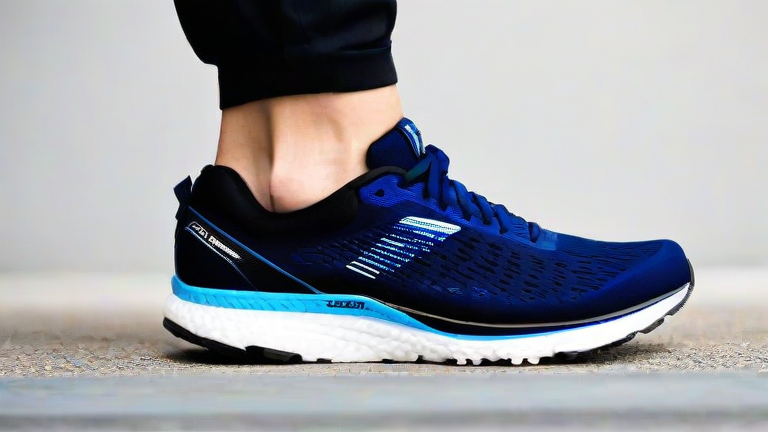
TL;DR: The best running shoes for flat feet combine firm arch support, motion control, and a stable heel—our top overall pick is the Brooks Adrenaline GTS 24 for its balanced support and comfort. For a budget-friendly alternative, the ASICS Gel-Kayano 31 delivers plush stability at a competitive price.
Why Flat Feet Need the Right Shoes
Runners with flat feet (overpronation) tend to roll their ankles inward with each stride, which can strain the arches, knees, and hips over time. The right shoe provides structured cushioning, a supportive midsole, and a snug heel counter to guide the foot through a smoother gait cycle. Below are our top five picks, tested across road miles, treadmill sessions, and long runs.
If you want to dig deeper, check out our guide on Raspberry Pi 5 Review: Is the New SBC Worth the Upgrade?.
1. Brooks Adrenaline GTS 24 — Best Overall
The Adrenaline remains the gold standard for flat-footed runners. Its GuideRails system gently limits excess inward roll without feeling intrusive, while the DNA Loft v3 midsole balances softness and responsiveness. Runners who want dependable support for daily training will find it hard to beat.
2. ASICS Gel-Kayano 31 — Best Cushioned Stability
The Kayano pairs 4D Guidance System stability with generous GEL cushioning, making it ideal for high-mileage runners and heavier athletes. It’s slightly plusher than the Adrenaline, though a touch heavier—choose it if comfort trumps speed.
3. New Balance Fresh Foam X 860v14 — Best Value
A dual-density midsole delivers reliable pronation control at a lower price point. The 860v14 is firmer underfoot than the Kayano, which some runners prefer for tempo work. A smart pick for budget-conscious stability seekers.
4. HOKA Arahi 7 — Best Lightweight Option
The Arahi uses J-Frame stability to curb overpronation while keeping weight low. It’s the lightest shoe on this list and suits runners who dislike bulky motion-control designs, though its cushioning is less plush than the top two picks.
5. Saucony Guide 17 — Best for Everyday Comfort
With a broad, stable base and PWRRUN cushioning, the Guide 17 offers a smooth ride for casual runners and walkers alike. It’s less aggressive in correction than the Adrenaline—great for mild overpronation.
Comparison at a Glance
For maximum support, go with the Adrenaline or Kayano; for value, the 860v14; for lightness, the Arahi; for mild correction, the Guide 17. All five offer solid heel lockdown and durable outsoles.
Ready to Run?
Visit your local running store to try on your top choices and get a gait analysis—then lace up and hit the road with confidence.
FAQ
Q: How do I know if I have flat feet?
A: A simple wet-foot test—step onto paper and check the imprint—can reveal a low or absent arch, but a gait analysis at a running store is the most reliable confirmation.
Q: Can flat-footed runners wear neutral shoes?
A: Some can, especially with mild overpronation, but most benefit from stability or motion-control shoes to reduce strain on the arches and joints.
Q: How often should I replace running shoes?
A: Replace them every 300–500 miles, or sooner if the midsole feels compressed or the outsole shows significant wear.
Leave a Reply