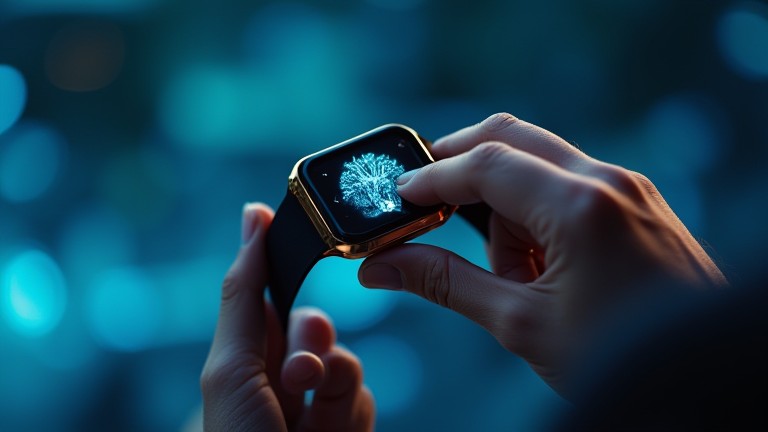
TL;DR: Advanced wearable technology now tracks subtle gait changes and sleep patterns to detect early markers of neurodegenerative diseases like Parkinson’s and Alzheimer’s. This shift transforms routine health monitoring into a proactive tool for early intervention and lifestyle adjustments.
The Invisible Dance of Early Detection
For decades, neurodegenerative diseases have been diagnosed only after significant symptoms appear, often years after the brain has begun to change. Today, a quiet revolution is occurring on our wrists and chests. Wearable devices, once limited to counting steps and tracking calories, are evolving into sophisticated neurological sentinels. They analyze the micro-tremors in our hands, the subtle asymmetry in our walking patterns, and the fragmented architecture of our sleep. These data points, individually insignificant, form a mosaic that reveals the early whispers of cognitive decline long before a doctor would notice them in a clinical setting.
If you want to dig deeper, check out our guide on Quantum Computing Reaches Commercial Scale: What It Means.
From Data to Daily Life
Imagine waking up not just to an alarm, but to a gentle alert that your sleep quality has shifted in a way that correlates with early neurological stress. This is not science fiction; it is the emerging reality of personalized health. By integrating these insights into our daily routines, we can make informed lifestyle choices that may slow progression. For instance, if a wearable detects early signs of motor control issues, a user might prioritize balance exercises or consult a specialist for targeted physical therapy. This approach shifts the narrative from reactive treatment to proactive management. It empowers individuals to take charge of their cognitive health, viewing their brain as a muscle that requires consistent, mindful exercise and rest.
The Cultural Shift in Self-Care
This technological advancement is reshaping how we view aging and mental health. There is a growing cultural emphasis on “brain fitness” alongside physical fitness. People are no longer waiting for a crisis to act. Instead, they are embracing data-driven self-care, using wearables as partners in maintaining cognitive vitality. This shift encourages a more open conversation about neurodegeneration, reducing the stigma associated with these conditions. It fosters a community of awareness where sharing insights about sleep hygiene, stress management, and physical activity becomes a shared cultural norm. The journey toward better brain health is becoming a public, collaborative effort, supported by the silent, constant vigilance of our wearable companions.
FAQ
Q: Are these wearables a replacement for professional medical diagnosis?
A: No, they serve as preliminary screening tools. Any concerning data should be discussed with a healthcare professional for a definitive diagnosis.
Q: What specific signs do these devices look for in early stages?
A: They monitor for changes in gait speed, hand tremors, sleep cycle disruptions, and voice pitch variations that may indicate neurological stress.
Q: How can I use this data for personal growth?
A: Use the insights to adjust lifestyle habits, such as improving sleep hygiene, reducing stress, or increasing physical activity to support overall brain health.
Leave a Reply