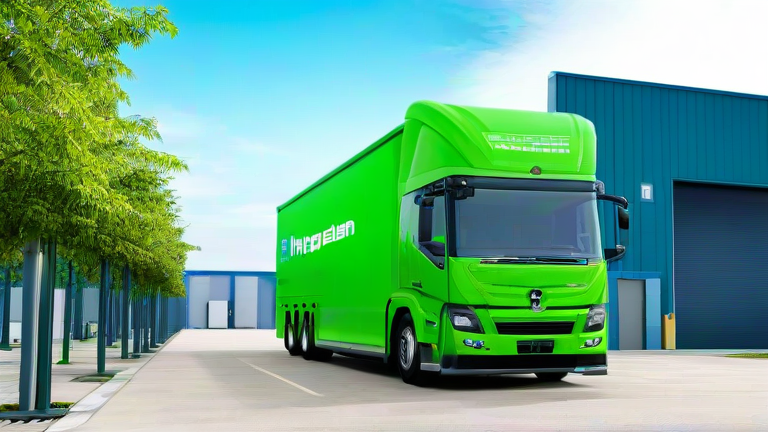
TL;DR: Green hydrogen is fundamentally disrupting industrial supply chains by offering a scalable, carbon-neutral energy carrier that decouples heavy manufacturing from fossil fuel dependence. This shift enables companies to meet stringent regulatory mandates while securing long-term energy price stability against volatile natural gas markets.
Market Analysis: The Rising Tide of Clean Energy
The global green hydrogen market is projected to expand at a compound annual growth rate exceeding 50% through 2030, driven by aggressive climate policies in the European Union, China, and the United States. Unlike gray hydrogen, which is derived from natural gas with significant carbon emissions, green hydrogen is produced via electrolysis using renewable electricity. This distinction is critical for industries aiming to achieve net-zero targets. Current market dynamics show a clear preference for supply chain integration, where producers and consumers form long-term offtake agreements to mitigate the high upfront capital expenditure required for electrolyzer infrastructure. The cost curve is steepening rapidly as electrolyzer prices drop and renewable energy costs continue their downward trajectory, making green hydrogen increasingly competitive with traditional fuels in specific high-heat industrial applications.
If you want to dig deeper, check out our guide on 10 Daily Habits That Transform Your Health Naturally.
Strategic Insights: Navigating the Transition
For industrial manufacturers, the strategic imperative is to view green hydrogen not merely as a fuel but as a versatile feedstock. Companies must adopt a dual-track strategy: immediate efficiency improvements in current operations while simultaneously piloting hydrogen-ready technologies. Supply chain resilience is paramount; firms should diversify their energy partners to avoid single-source dependency. Furthermore, collaboration with upstream renewable energy providers is essential to secure stable, low-carbon power contracts. Strategic positioning requires understanding the local regulatory landscape, as subsidies and carbon taxes vary significantly by region. Early adopters are gaining a competitive advantage by branding their products as carbon-neutral, appealing to increasingly eco-conscious corporate clients and consumers. The key to success lies in integrating hydrogen logistics into existing distribution networks, leveraging existing pipeline infrastructure where feasible to reduce capital costs.
Case Studies: Success in Action
Steel producers are leading the charge, with major European firms replacing coal with green hydrogen in blast furnaces, significantly reducing lifecycle emissions. This transition has allowed them to maintain production volume while drastically cutting their carbon footprint, securing contracts with automotive giants demanding green steel. Similarly, ammonia producers in the Middle East are leveraging abundant solar resources to produce green hydrogen for fertilizer, creating a new export market for sustainable agriculture inputs. These examples demonstrate that green hydrogen is not just an environmental choice but a viable economic strategy that enhances brand equity and market access. By embedding green hydrogen into their core value proposition, these companies are reshaping their supply chains from the ground up, ensuring long-term viability in a low-carbon economy.
FAQ
Q: What is the primary advantage of green hydrogen over other energy sources?
A: It offers a high energy density and zero carbon emissions during use, making it ideal for heavy industry where batteries are impractical.
Q: How can small manufacturers access green hydrogen supply chains?
A: They can join industry consortia or purchase green hydrogen certificates to offset emissions while waiting for direct infrastructure access.
Q: Is green hydrogen currently cheaper than fossil fuels?
A: Not yet for all applications, but costs are falling rapidly due to renewable energy price drops and electrolyzer scale efficiencies.
Leave a Reply