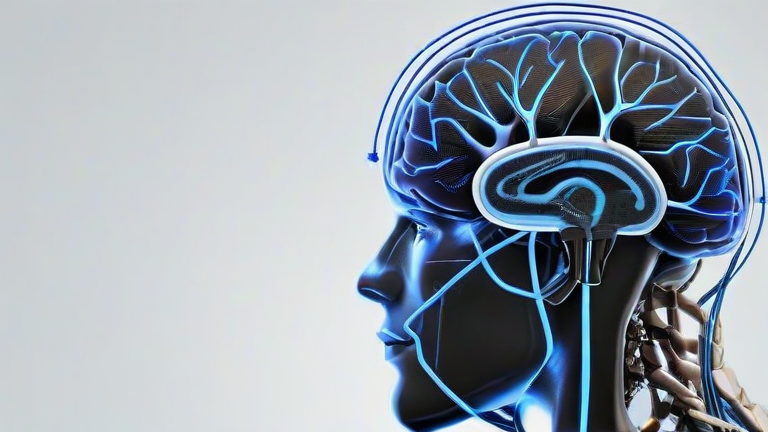
TL;DR: Neural interfaces are evolving from medical tools to lifestyle enhancers, allowing users to control digital environments with thought alone. This technology promises a new era of personal growth by reducing friction between human intent and digital action, redefining how we interact with culture and information.
The Mind as a Remote Control
Imagine walking through a bustling night market in Tokyo, not just observing the vibrant lights and aromas, but curating your sensory experience through a subtle mental command. This is no longer science fiction; it is the emerging reality of direct brain-computer interaction (BCI). While early BCI systems were confined to hospitals, helping paralyzed patients type messages, the latest iterations are sleek, wearable, and designed for the everyday user. The shift represents a profound change in how we consume travel and culture. Instead of being passive recipients of digital content, we become active creators of our digital environments, blending the physical world with augmented layers of information and art.
If you want to dig deeper, check out our guide on Personalized mRNA Vaccines: Targeting Common Viral Strains.
Cognitive Dining and Cultural Immersion
The food and beverage industry is already experimenting with this frontier. In high-end “cognitive dining” experiences, diners can adjust the flavor profiles of their dishes by focusing on specific mental patterns, a technique that blurs the line between chef and consumer. This isn’t just about taste; it is about the cultural exchange of intention. When you can control the digital soundtrack of a museum gallery or visualize historical overlays on ancient ruins in Rome through a lightweight neural headband, the depth of cultural immersion transforms. Travel becomes a multi-sensory dialogue rather than a visual tour. The personal growth aspect is equally significant. By training the brain to interface with external systems, users develop heightened mindfulness and focus, skills that transfer to daily life, enhancing productivity and emotional regulation.
Privacy and the New Self
However, this convenience comes with a significant trade-off: privacy. Your thoughts are data, and in the context of lifestyle tech, that data is valuable. Users must navigate a new landscape where their neural patterns are as sensitive as their biometric data. The ethical implications of having a company with access to your subconscious preferences are daunting. Yet, for those willing to accept these risks, the potential for self-expression is unprecedented. We are moving toward an era where our digital avatars are not just reflections of our actions, but extensions of our intentions. This technology challenges us to define the boundaries of our personal identity in an increasingly connected world, urging us to remain the masters of our own minds while exploring the vast, uncharted territories of direct neural interaction.
FAQ
Q: Are neural interfaces safe for daily use?
A: Current non-invasive devices are generally safe, but long-term effects of constant neural feedback are still being studied by medical professionals.
Q: Do I need surgery to use a consumer BCI?
A: No, most lifestyle-oriented interfaces use non-invasive methods like EEG caps or headbands that sit on the outside of the skull.
Q: Can these devices read my specific thoughts?
A: They detect broad neural patterns related to attention and intent, not verbatim words or complex internal narratives.
Leave a Reply