
How Mental Health Apps Integrate With Wearables
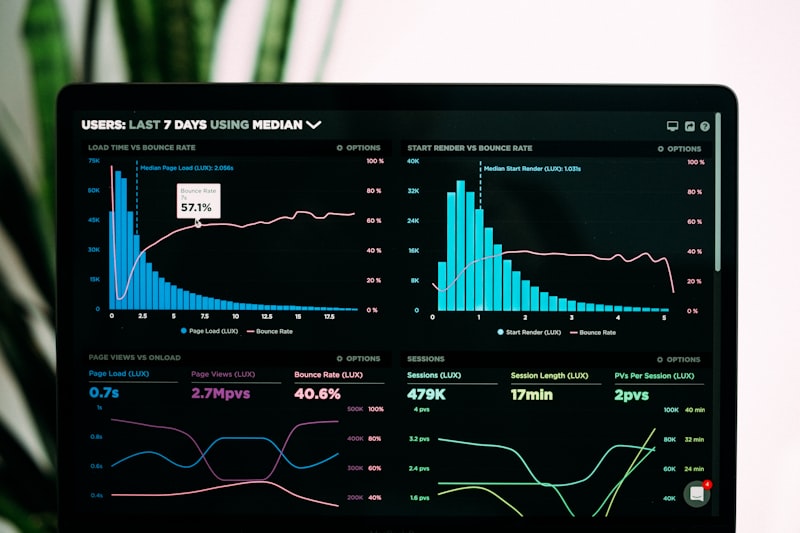
In the rapidly evolving landscape of digital health, the convergence of mental wellness applications and wearable technology has emerged as a powerful tool for holistic well-being. This integration moves beyond simple step counting, offering a nuanced view of how physiological data correlates with emotional states. By connecting heart rate variability (HRV), sleep patterns, and activity levels with mindfulness practices, users can gain actionable insights into their mental health.
Research indicates that stress manifests physically long before we consciously recognize it. Wearables equipped with optical heart rate sensors can detect subtle changes in HRV, a key indicator of autonomic nervous system balance. When mental health apps sync with these devices, they can identify early signs of anxiety or stress spikes. For instance, if a user’s HRV drops significantly during a workday, the associated app might gently prompt them to take a brief breathing exercise or engage in a five-minute meditation session. This proactive approach helps mitigate the cumulative effects of chronic stress, preventing burnout before it takes hold.
Furthermore, the relationship between sleep and mental health is bidirectional and profound. Poor sleep quality exacerbates anxiety and depression, while mental distress disrupts sleep cycles. Integrated systems analyze sleep architecture, including REM and deep sleep stages, to provide personalized recommendations. If a wearable detects fragmented sleep, the companion app might suggest adjusting evening routines, such as limiting screen time or practicing relaxation techniques. Studies published in journals like *JAMA Psychiatry* support the efficacy of these combined interventions, showing improved mood stability and reduced symptoms of anxiety in users who consistently monitor their biometric data alongside mental health exercises.
To maximize the benefits of this technology, lifestyle integration is crucial. It is not enough to simply wear a device; users must engage with the data meaningfully. Start by setting realistic goals based on your baseline metrics. Use the insights provided by your app to create a consistent routine that prioritizes both physical movement and mental downtime. For example, schedule short walks during periods of high stress to lower cortisol levels, or establish a wind-down ritual that aligns with
Leave a Reply