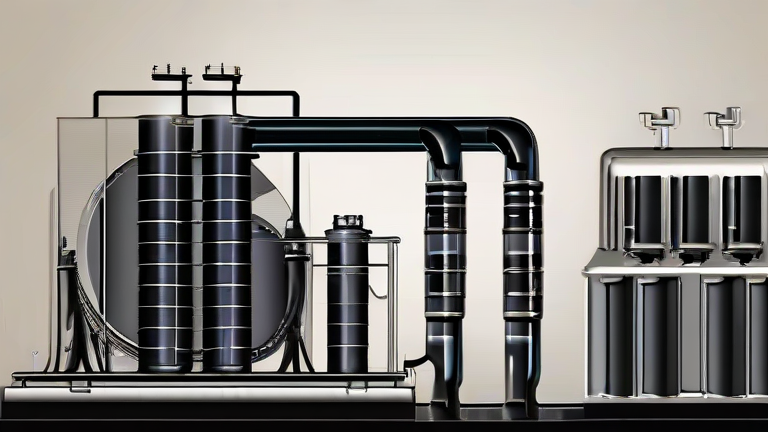
Carbon Capture Tech Scales for Industrial Use
The global fight against climate change has reached a critical inflection point. For years, carbon capture, utilization, and storage (CCUS) technology remained a niche solution, expensive and inefficient for widespread adoption. However, recent breakthroughs in chemical engineering and modular design are finally bringing these systems to the scale required for heavy industry. This transition marks a pivotal moment where theoretical models meet practical, large-scale implementation, offering a tangible pathway to net-zero emissions for sectors like cement, steel, and natural gas processing.

Latest developments in direct air capture (DAC) and point-source capture have significantly lowered energy penalties. Traditional amine-based scrubbing systems, which require immense heat to regenerate solvents, are being replaced by advanced metal-organic frameworks (MOFs) and solid sorbents. These new materials exhibit higher selectivity for carbon dioxide, allowing them to operate at lower temperatures and pressures. Recent pilot projects in Iceland and Canada have demonstrated capacities exceeding 10,000 metric tons per year, a milestone that proves economic viability is within reach. Furthermore, integration with renewable energy sources allows these facilities to operate with a near-neutral carbon footprint, addressing previous criticisms regarding the energy intensity of the capture process.
If you want to dig deeper, check out our guide on 10 Science-Backed Health Tips for a Longer, Happier Life.
On the technical specifications front, modern units boast capture efficiencies of over 90%, a substantial improvement from the 70-80% rates seen in earlier generations. The new modular designs allow for rapid deployment and scalability. Instead of constructing massive, custom-built plants that take a decade to complete, companies can now stack standardized modules. This modularity reduces capital expenditure by up to 40% and shortens construction timelines significantly. Specifications now include integrated compression and liquefaction capabilities, ensuring that the captured CO2 is immediately ready for pipeline transport or geological injection, streamlining the entire value chain.
The industry impact is profound. Heavy emitters, previously viewed as unavoidable contributors to global warming, now have a viable compliance strategy. Oil and gas companies are leveraging enhanced oil recovery (EOR) markets to subsidize capture costs, creating a circular economic model.
Leave a Reply