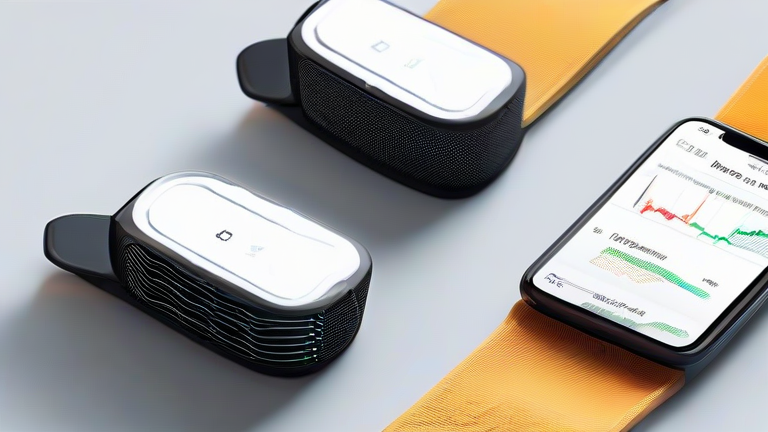
Wearable Tech Monitors Chronic Disease Markers
Managing chronic conditions like diabetes, hypertension, or heart disease has evolved significantly with the advent of sophisticated wearable technology. These devices offer real-time insights into your physiological state, allowing for proactive rather than reactive healthcare management. By integrating these tools into your daily routine, you can track critical markers such as blood glucose levels, heart rate variability, and oxygen saturation without constant hospital visits. This guide provides a structured approach to selecting, setting up, and utilizing wearable tech effectively for long-term health monitoring.

Step 1: Consult Your Healthcare Provider
Before purchasing any device, schedule an appointment with your specialist. Not all wearables are medically certified for diagnostic purposes. Ask your doctor which specific markers are most critical for your condition and whether they recommend FDA-cleared devices. This ensures that the data you collect is clinically relevant and can be integrated into your existing care plan.
If you want to dig deeper, check out our guide on Decentralized Identity: Why It’s Replacing Traditional Passw.
Step 2: Choose the Right Device
Select a wearable that aligns with your medical needs. For diabetes management, look for continuous glucose monitors (CGMs) that sync with smartphones. For cardiovascular health, choose devices with advanced ECG and blood pressure monitoring features. Consider factors like battery life, water resistance, and app usability. A comfortable, discreet device encourages consistent wear, which is vital for accurate long-term data tracking.
Step 3: Proper Setup and Calibration
Follow the manufacturer’s instructions meticulously for initial setup. Calibrate the device as directed, often requiring baseline measurements against traditional medical equipment. Sync the device with your health app and grant necessary permissions for data sharing. Ensure your smartphone’s software is updated to maintain secure and seamless communication between the wearable and your health records.
Step 4: Establish a Monitoring Routine
Consistency is key. Wear the device at the same time daily and ensure it fits snugly to prevent signal errors. Review your dashboard weekly to identify trends. Note any anomalies, such as sudden spikes in
Leave a Reply