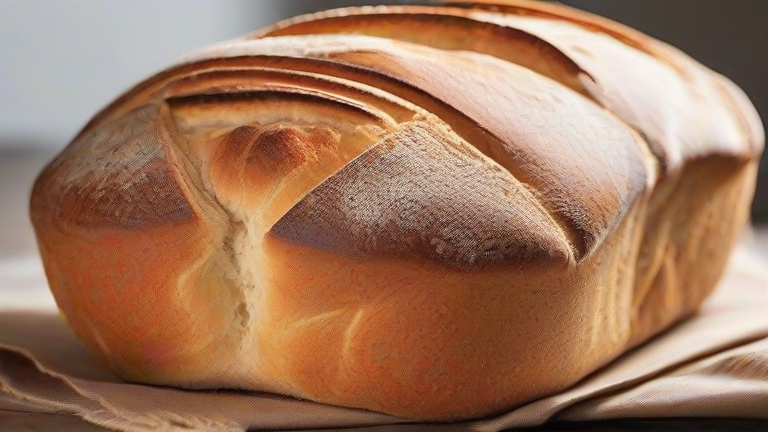
TL;DR: Create a stable starter, mix high-protein flour with salt, and perform stretch-and-folds over several hours. Allow the dough to ferment, shape it into a loaf, bake in a preheated Dutch oven, and cool completely before slicing.
Step-by-Step Tutorial: How to Bake Sourdough Bread from Scratch
Mastering sourdough requires patience and observation rather than strict timers, as ambient temperature significantly affects fermentation speed. Begin by ensuring your sourdough starter is active and bubbly, meaning it has doubled in size within four to six hours of feeding. For the dough, combine 500 grams of bread flour, 350 grams of water, and 10 grams of sea salt. Mix these ingredients until no dry flour remains, then rest the shaggy mass for thirty minutes. This autolyse step hydrates the flour and develops gluten naturally without mechanical kneading.
If you want to dig deeper, check out our guide on LinkedIn’s “AI Slop” Button Hit 1M Clicks: The Data.
After the rest, perform the first set of stretch-and-folds. Wet your hands, grab the edge of the dough, stretch it upward, and fold it over the center. Rotate the bowl ninety degrees and repeat three more times. This builds strength and structure. Let the dough rest for thirty minutes, then repeat this folding process three more times at thirty-minute intervals. After the final fold, cover the bowl and let the dough bulk ferment at room temperature. It is ready when it has increased in volume by fifty percent and feels puffy, which may take three to five hours depending on your kitchen’s temperature.
Preheat your Dutch oven with the lid on at 450°F for at least forty-five minutes. Pre-shape the dough into a round ball, let it rest for twenty minutes, and then shape it into a final oval or round loaf. Place it seam-side up on parchment paper, cover it, and let it proof for one to two hours. It should jiggle gently when shaken. Carefully transfer the dough to the preheated Dutch oven, score the top with a sharp blade, and bake covered for thirty minutes. Remove the lid, lower the temperature to 425°F, and bake for another twenty minutes until deeply golden. Cool on a wire rack for at least two hours to prevent a gummy crumb.
Tips for Success
Use a digital scale for accuracy, as baking is a chemistry. Keep your hands wet to prevent sticking during handling. If your dough feels too sticky, it may be under-fermented; if it tears easily, it is over-fermented. Adjust future batches based on these visual cues.
FAQ
Q: Why is my sourdough bread dense?
A: This usually indicates under-fermentation or insufficient gluten development. Ensure the dough doubles in size during bulk fermentation and perform all recommended folds.
Q: Can I use all-purpose flour?
A: Yes, but the crumb will be less airy. Bread flour has higher protein, which creates stronger gluten strands, resulting in better oven spring and a lighter texture.
Q: How long does the starter need to ferment?
A: It needs to be active before use. A healthy starter should double in size within four to six hours after feeding, indicating sufficient yeast and bacterial activity.
Leave a Reply