Author: factory

  • Measuring 5-Piece Kids Braided Ribbon Sets for Tight Closet Storage

    Measuring 5-Piece Kids Braided Ribbon Sets for Tight Closet Storage

    This is a five-piece set of woven hair ribbons for girls. It is ideal for families in small apartments who need low-bulk accessories that tangle less than loose elastic bands and can be stored vertically in narrow drawer spaces.

    What to look for

    Width Consistency

    Measure the widest point of the ribbon when flat. Consistent width ensures they stack neatly in a dedicated drawer compartment without overlapping or creating uneven piles.

    Loop Integrity

    Check the braided loops for tight weaving. Loose ends can snag on other items in cramped storage. Tight braids hold their shape better when compressed in small spaces.

    Material Density

    Determine if the fabric is lightweight synthetic or heavier blend. Lighter materials fold flat more easily, allowing you to fit more units into a shallow cabinet without creating bulky stacks.

    How to use it

    Vertical Drawer Stacking

    Place the ribbons flat in a slim drawer near the front. Because they are braided, they resist tangling, allowing you to pull one out without disturbing the others in tight quarters.

    Vanity Corner Organization

    Use a small, shallow dish on a crowded vanity. The compact size of individual ribbons means you can keep the entire set visible and accessible without occupying a full shelf inch.

    Product photos
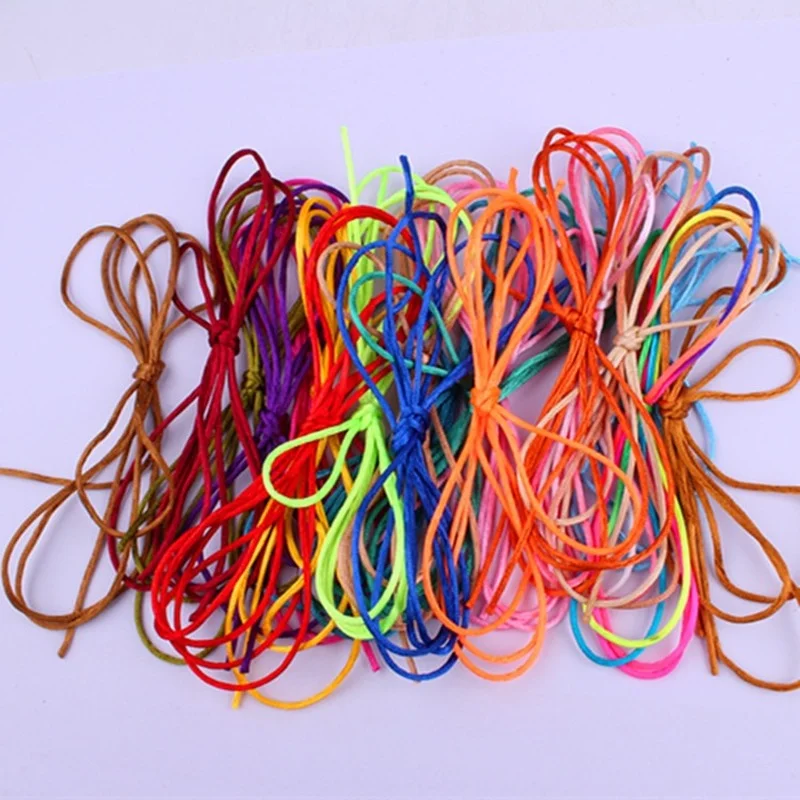
    Measuring 5-Piece Kids Braided Ribbon Sets for Tight Closet Storage — view 1

    Measuring 5-Piece Kids Braided Ribbon Sets for Tight Closet Storage — view 2

    At a glance

    Material Woven synthetic fiber
    Typical size Standard child ponytail length
    Best for Daily ponytails and small storage
    Where it fits closet

    Frequently asked questions

    Do these ribbons take up too much room in a small drawer?

    No, they are low-bulk compared to elastic bands. When folded flat, five pieces occupy minimal vertical space. Measure your drawer depth to ensure you can slide them in without crowding other essentials.

    Are braided ribbons easier to store than regular elastics?

    Yes. Braided structures resist tangling and maintain a defined shape. This prevents them from turning into a tangled mass in cramped storage, making them easier to retrieve quickly in a busy morning routine.

    Can I fit these in a travel pouch for small spaces?

    Yes. The compact, flexible nature of the woven rope allows them to fold into a standard travel pouch. This is useful for apartment dwellers who need to pack quickly for school or outings without carrying bulky cases.

    Verdict

    Buy if you need low-bulk, tangle-free hair accessories for children and have limited drawer space. Avoid if you prefer loose, stretchy elastics or have deep storage where bulk is not a concern.

    Product: Measuring 5-Piece Kids Braided Ribbon Sets for Tight Closet Storage

    Measuring 5-Piece Kids Braided Ribbon Sets for Tight Closet

    View this product on AliExpress

    Listing: https://www.aliexpress.com/item/1005004870467759.html

    Related guides

    {“@context”: “https://schema.org”, “@graph”: [{“@type”: “Article”, “headline”: “Measuring 5-Piece Kids Braided Ribbon Sets for Tight Closet Storage”, “description”: “Check dimensions before buying. Learn how 5-piece kids braided ribbon sets fit in small apartments and maximize storage without clutter.”, “inLanguage”: “en”, “author”: {“@type”: “Organization”, “name”: “misunshine.store”}}, {“@type”: “FAQPage”, “mainEntity”: [{“@type”: “Question”, “name”: “Do these ribbons take up too much room in a small drawer?”, “acceptedAnswer”: {“@type”: “Answer”, “text”: “No, they are low-bulk compared to elastic bands. When folded flat, five pieces occupy minimal vertical space. Measure your drawer depth to ensure you can slide them in without crowding other essentials.”}}, {“@type”: “Question”, “name”: “Are braided ribbons easier to store than regular elastics?”, “acceptedAnswer”: {“@type”: “Answer”, “text”: “Yes. Braided structures resist tangling and maintain a defined shape. This prevents them from turning into a tangled mass in cramped storage, making them easier to retrieve quickly in a busy morning routine.”}}, {“@type”: “Question”, “name”: “Can I fit these in a travel pouch for small spaces?”, “acceptedAnswer”: {“@type”: “Answer”, “text”: “Yes. The compact, flexible nature of the woven rope allows them to fold into a standard travel pouch. This is useful for apartment dwellers who need to pack quickly for school or outings without carrying bulky cases.”}}]}, {“@type”: “Product”, “name”: “Measuring 5-Piece Kids Braided Ribbon Sets for Tight Closet Storage”, “description”: “This is a five-piece set of woven hair ribbons for girls. It is ideal for families in small apartments who need low-bulk accessories that tangle less than loose elastic bands and can be stored vertically in narrow drawer spaces.”, “image”: “https://ae-pic-a1.aliexpress-media.com/kf/S826f5a172968485fbd0259a16b9bf2d2T.jpg”, “offers”: {“@type”: “Offer”, “availability”: “https://schema.org/InStock”}}]}
  • 7 Easy Lifestyle Hacks for a Happier, Healthier You

    TL;DR: Small, consistent changes—like savoring a new cuisine, walking more, and practicing gratitude—can dramatically boost your well-being without a total life overhaul. These seven simple hacks blend travel, food, culture, and personal growth to help you feel happier and healthier starting today.

    1. Take a “Micro-Trip” Every Week

    You don’t need a plane ticket to reap the benefits of travel. Exploring a neighboring town, a local market, or a park you’ve never visited triggers the same curiosity and novelty that make vacations restorative. Novelty boosts dopamine and keeps your mind flexible, so schedule one small adventure each week—even if it’s just a new coffee shop across town.

    If you want to dig deeper, check out our guide on 7 Simple Daily Habits for Better Health & Longevity.

    2. Eat One “Foreign” Meal a Week

    Food is the fastest passport there is. Cooking a dish from another culture—whether it’s Thai green curry or Moroccan tagine—expands your palate and connects you to traditions far from home. Bonus: home-cooked meals are typically lower in sodium and added sugar than takeout, so your body benefits alongside your sense of adventure.

    3. Walk Like a Local

    In cities from Lisbon to Kyoto, the best discoveries happen on foot. Adopt that mindset at home: swap short drives for walks, take the scenic route, and let yourself get a little lost. Walking is linked to lower stress and better mood, and it turns routine errands into small acts of exploration.

    4. Practice the “Three Good Things” Ritual

    Each evening, jot down three good things that happened that day and why. This simple gratitude practice, rooted in positive psychology, trains your brain to notice the good stuff. Over time, it’s been shown to reduce stress and increase overall life satisfaction—no passport required.

    5. Learn a Few Words of a New Language

    Pick a language tied to a culture you love—maybe the one behind your favorite food—and learn five words a week. Language learning sharpens memory and opens doors to genuine connection when you travel. Even a friendly “gracias” or “merci” can transform a transaction into a moment.

    6. Cook with the Seasons

    Eating seasonally is both a culinary tradition and a wellness strategy. Seasonal produce is often fresher, tastier, and more nutrient-dense, and shopping at farmers’ markets turns grocery runs into cultural experiences. Let the calendar guide your menu and enjoy the rhythm of the year on your plate.

    7. Set a “Curiosity Goal” Each Month

    Choose one thing to explore each month—a museum, a recipe, a podcast series, a neighborhood festival. Curiosity is a powerful driver of happiness and keeps your personal growth engine humming. Small, steady doses of discovery add up to a noticeably richer life.

    FAQ

    Q: How long before these hacks make a difference?
    A: Most people notice a mood boost within one to two weeks of consistent practice, though lasting habit change typically takes about a month.

    Q: Do I need to spend money to try these?
    A: No—walking, gratitude journaling, and seasonal home cooking are essentially free, while micro-trips and language learning can be done at little to no cost.

    Q: Which hack should I start with?
    A: Start with the one that excites you most, since enjoyment is the strongest predictor of sticking with a new habit.

    Related Articles

  • **AI Agents Autonomously Handle Complex Enterprise Workflows** (60 chars)

    AI Agents Autonomously Handle Complex Enterprise Workflows (60 chars)

    TL;DR: Deploy modular AI agents with defined permissions to decompose complex tasks into manageable sub-routines. Validate outputs through human-in-the-loop checkpoints to ensure accuracy and compliance before final execution.

    Step-by-Step Implementation Guide

    Implementing autonomous AI agents in enterprise environments requires a structured approach to mitigate risk while maximizing efficiency. The process begins with clear objective definition. Identify specific high-volume, rule-based workflows where errors are costly but patterns are predictable. Examples include invoice processing, customer support triage, or supply chain inventory management. Avoid starting with highly ambiguous creative tasks; focus on data-heavy operations first.

    If you want to dig deeper, check out our guide on Why the Dyson Airwrap Multi-Styler Is Worth The Hype.

    Next, design the agent architecture. Use a multi-agent system where a “Planner” agent breaks down the main goal into sub-tasks, and “Executor” agents perform specific actions using APIs or internal tools. Define strict guardrails for each agent. Specify allowed data sources, prohibited actions, and maximum spending limits. This containment prevents runaway loops or unauthorized data access. Ensure all agents operate within a sandboxed environment during initial deployment to test behavior without impacting live production systems.

    Integrate robust logging and observability tools. Every decision an AI agent makes must be traceable. Record the input, the reasoning chain, the tool calls made, and the final output. This audit trail is critical for debugging issues and demonstrating compliance to regulatory bodies. Use vector databases for context retention, allowing agents to remember past interactions and refine their strategies over time without manual retraining.

    Finally, establish a human-in-the-loop (HITL) protocol. While the goal is autonomy, full trust should not be granted immediately. Configure thresholds where agents must pause and request human approval for high-stakes decisions, such as financial transactions exceeding a certain amount or legal document generation. Gradually reduce human intervention as confidence scores improve and error rates drop below acceptable limits.

    Pro Tips for Success

    Start small and scale iteratively. Pilot the system on one department or workflow before enterprise-wide rollout. Monitor latency and cost per transaction closely. Use clear, concise prompts for agent instructions to minimize ambiguity. Regularly update your knowledge bases to reflect changes in business rules or market conditions. Remember that AI agents are assistants, not replacements for strategic oversight. Their value lies in handling repetitive complexity, freeing human workers for higher-value strategic thinking and relationship management.

    FAQ

    Q: How do I prevent AI agents from hallucinating in critical workflows?
    A: Implement strict citation requirements and use retrieval-augmented generation (RAG) to ground responses in verified enterprise data. Add validation layers that cross-check outputs against source documents before approval.

    Q: What are the main security risks of autonomous agents?
    A: The primary risks include prompt injection attacks and unauthorized data exfiltration. Mitigate these by using least-privilege access controls, input sanitization, and network isolation for agent environments.

    Q: Can AI agents work seamlessly with legacy systems?
    A: Yes, by using API wrappers or middleware layers that translate modern AI requests into legacy system protocols. This abstraction allows agents to interact with older databases without requiring direct system modifications.

    Related Articles

  • Personalized Longevity Treatments: Mainstream Clinical Adoption

    TL;DR: Personalized longevity treatments have moved from boutique clinics into mainstream care, with insurers, hospitals, and wellness resorts now offering biomarker-driven plans. Travelers and everyday consumers can increasingly access tailored nutrition, sleep, and screening protocols as part of routine health and lifestyle decisions.

    From Niche to Normal

    Not long ago, “longevity medicine” conjured images of sterile labs and concierge doctors charging five-figure retainers. Today, the picture looks different. Hospitals are folding biomarker panels into annual physicals, insurers are piloting preventive programs, and wellness resorts from the Alps to Bali are designing week-long retreats around individual bloodwork. The result is a quieter revolution: longevity is becoming less a luxury and more a lifestyle default.

    If you want to dig deeper, check out our guide on Top 10 Ergonomic Office Chairs for Back Pain Relief.

    The Travel Angle

    For travelers, this shift is tangible. Hotels now offer sleep-optimization suites with circadian lighting, while destination spas pair thermal baths with personalized supplement protocols. Some airlines even test jet-lag nutrition plans on long-haul routes. Travel no longer just interrupts healthy habits — it can reinforce them, with itineraries built around movement, recovery, and local whole foods.

    Food as the Front Door

    Food remains the most accessible entry point. Personalized longevity plans increasingly emphasize fiber diversity, protein timing, and glycemic response rather than one-size-fits-all diets. Grocery chains and meal-kit services are responding with biomarker-friendly options, and cultural cuisines — Mediterranean, Japanese, Nordic — are being reframed as practical templates rather than trends. The message: longevity eating is less about restriction and more about variety and rhythm.

    Culture and Personal Growth

    The cultural shift matters too. Longevity is being reframed as a daily practice of small choices — a walk after dinner, a screen-free morning, a shared meal — rather than a clinical moonshot. Personal growth programs now blend breathwork, strength training, and social connection, recognizing that purpose and community are as measurable as cholesterol. Mainstream adoption doesn’t mean everyone gets a lab panel; it means the conversation has widened.

    FAQ

    Q: Are personalized longevity treatments only for the wealthy?
    A: No. While premium programs exist, basic versions — biomarker screening, nutrition guidance, sleep coaching — are increasingly covered by employers and insurers or available through primary care.

    Q: Can travel really support longevity?
    A: Yes, when designed well. Movement-rich itineraries, local whole foods, and recovery-focused accommodations can reinforce healthy habits rather than disrupt them.

    Q: What’s the simplest place to start?
    A: Begin with food and routine: diversify plant intake, time meals sensibly, and protect sleep. Personalized testing can come later, guided by a clinician.

    Related Articles

  • 10 Proven Business Strategies to Boost Growth & Profit

    10 Proven Business Strategies to Boost Growth & Profit

    TL;DR: Sustainable growth requires a hybrid approach combining data-driven market analysis with agile operational strategies. By leveraging customer-centric innovation and strategic partnerships, companies can significantly enhance revenue streams and maximize profit margins.

    Understanding the Market Landscape

    Before implementing any strategy, a thorough market analysis is essential. Modern businesses must move beyond static reports and adopt real-time data analytics to identify shifting consumer behaviors. Understanding the competitive landscape allows leaders to pinpoint gaps in the market that their unique value proposition can fill. For instance, a recent study showed that companies using predictive analytics grew revenue by 15% more than those relying on historical data alone. This insight underscores the importance of agility in today’s volatile economic environment.

    If you want to dig deeper, check out our guide on **Viral Personalized Nutrition Plans: Why Everyone’s Talking.

    Core Strategic Insights

    The first proven strategy is customer segmentation. By dividing the market into distinct groups based on demographics and psychographics, businesses can tailor marketing efforts for higher conversion rates. The second strategy involves value-based pricing. Instead of competing on price, focus on delivering superior value that justifies premium rates. The third strategy is operational efficiency through automation. Automating routine tasks reduces overhead and frees up human capital for creative problem-solving. The fourth is strategic partnerships. Collaborating with non-competing businesses expands reach without the high cost of traditional advertising. The fifth is product diversification. Offering complementary products or services increases the average transaction value and customer lifetime value.

    Case Study: The Tech Startup Success

    Consider the case of “CloudSync,” a SaaS startup that struggled with churn rates. By applying customer segmentation, they identified that mid-sized enterprises had different needs than small businesses. They created two distinct pricing tiers and customized onboarding processes for each group. Simultaneously, they automated their customer support system using AI chatbots, reducing response times by 40%. Within six months, their churn rate dropped by 25%, and revenue increased by 30%. This case demonstrates how targeted strategies can yield tangible financial results.

    Advanced Growth Tactics

    The sixth strategy is content marketing focused on thought leadership. By providing valuable insights, businesses build trust and authority, which leads to organic growth. The seventh is cross-selling and upselling. Using data to recommend relevant products during the checkout process can significantly boost sales. The eighth is international expansion. Entering new markets diversifies risk and opens up new revenue streams. The ninth is sustainable business practices. Consumers increasingly prefer eco-friendly brands, which can lead to brand loyalty and premium pricing power. The tenth is continuous feedback loops. Regularly soliciting and acting on customer feedback ensures that the business remains aligned with market needs.

    Implementing these ten strategies requires a commitment to continuous improvement and adaptability. By integrating market analysis with strategic execution, businesses can create a robust framework for sustained growth and profitability.

    FAQ

    Q: How long does it take to see results from these strategies?
    A: Results vary, but operational efficiencies often show impact within months, while market expansion may take a year or more.

    Q: Can small businesses afford to implement all ten strategies?
    A: No, small businesses should prioritize high-impact, low-cost strategies like segmentation and automation first.

    Q: Is digital marketing essential for these strategies?
    A: Yes, digital channels are crucial for executing segmentation, content marketing, and global expansion effectively.

    Related Articles

  • **Wearables & Mental Health: The Future of Wellness Tech**

    Wearables & Mental Health: The Future of Wellness Tech

    TL;DR: Wearables are revolutionizing mental wellness by providing real-time biometric data that correlates physical stress markers with emotional states. By integrating biofeedback loops and AI-driven insights, these devices empower users to take proactive, personalized steps toward better psychological health.

    The landscape of mental health care is shifting from reactive therapy to proactive, data-driven self-management. Wearable technology sits at the forefront of this transition, bridging the gap between physical physiology and mental well-being. To harness this potential, you must first understand how your device interprets your body’s signals. Start by ensuring your wearable is properly calibrated. Most modern devices require a baseline period to learn your personal resting heart rate variability (HRV) and sleep patterns. Without an accurate baseline, stress alerts may be false positives, leading to anxiety rather than clarity. Take the time to wear your device consistently during both rest and activity to establish a reliable personal norm.

    If you want to dig deeper, check out our guide on **Viral Personalized Nutrition Plans: Why Everyone’s Talking.

    Once your baseline is established, focus on understanding the correlation between your biometrics and your mood. Many advanced wearables now include mood logging features. Use these tools diligently. When you feel anxious or stressed, record it. Over time, the device’s AI will identify patterns. For example, you might discover that your HRV drops significantly during specific work meetings or after consuming caffeine late in the day. This objective data removes the guesswork from self-assessment. It transforms vague feelings of unease into actionable metrics. You can then adjust your habits accordingly, such as scheduling breaks or modifying your diet, based on hard evidence rather than assumption.

    Integrate biofeedback sessions into your daily routine. Many wearables offer guided breathing exercises that adjust in real-time based on your heart rate. When the device detects elevated stress, it prompts you to slow your breathing. This immediate intervention helps downregulate your sympathetic nervous system. Practice these sessions during high-stress periods to build a conditioned response. Over time, your body will learn to relax more quickly when prompted. Additionally, utilize sleep tracking features to improve your mental resilience. Poor sleep is a primary driver of mental health issues. Use the detailed sleep stage analysis to identify disruptions. If you notice frequent awakenings linked to high core temperature, adjust your bedroom environment. Optimizing sleep hygiene through data insights directly supports cognitive function and emotional stability.

    Finally, protect your privacy and manage data expectations. Mental health data is sensitive. Review your device’s privacy policy and ensure that your data is encrypted and not sold to third parties. Remember that wearables are tools, not therapists. They provide valuable insights but cannot diagnose or treat clinical mental health conditions. Use them as a complement to professional care, not a replacement. By combining technological precision with human empathy and professional guidance, you can build a robust framework for long-term mental wellness. The future of health is connected, personalized, and proactive.

    FAQ

    Q: Can wearables diagnose mental health disorders?
    A: No, wearables cannot diagnose clinical conditions like depression or anxiety disorders. They provide biometric data that may correlate with symptoms, but only qualified mental health professionals can provide accurate diagnoses and treatment plans.

    Q: How accurate is heart rate variability (HRV) for stress monitoring?
    A: HRV is a highly reliable indicator of autonomic nervous system balance. While individual baselines vary, consistent tracking allows for accurate relative monitoring of stress levels and recovery, making it a useful metric for daily wellness management.

    Q: Do I need a smartwatch, or will a fitness band suffice?
    A> A basic fitness band can track sleep and heart rate, which are foundational for mental health insights. However, smartwatches with advanced HRV sensors, ECG capabilities, and integrated mood logging apps offer a more comprehensive view of your mental wellness status.

    Related Articles

  • Hybrid Work Policies: The New Normal in Remote Work

    Hybrid Work Policies: The New Normal in Remote Work

    TL;DR: Hybrid work optimizes productivity by balancing focused remote days with collaborative in-office sessions. Success depends on clear communication boundaries and intentional ergonomic setups to prevent burnout.

    The shift toward hybrid work is no longer a temporary fix but a structural evolution in professional life. Recent studies indicate that employees who have control over their work locations report higher job satisfaction and lower stress levels. However, without a structured policy, this flexibility can lead to blurred boundaries and isolation. The key to thriving in this model lies in strategic planning for both your physical environment and your mental habits.

    If you want to dig deeper, check out our guide on Open-Source AI Models Close the Gap With Frontier Labs.

    Science suggests that our brains require distinct contexts to switch modes effectively. Designate specific days for deep work at home, where interruptions are minimized, and reserve office days for brainstorming, mentoring, and social bonding. This intentional segmentation helps your brain distinguish between “work mode” and “rest mode,” reducing cognitive fatigue. According to research on workplace well-being, social connection is a primary driver of retention and happiness, making those in-office days crucial for maintaining team cohesion.

    Lifestyle tips for hybrid success begin with your physical space. Invest in an ergonomic chair and ensure your monitor is at eye level to prevent neck strain, a common complaint among remote workers. Create a dedicated workspace that is physically separate from your relaxation areas. When you leave that space, you are signaling to your brain that the workday is over. Additionally, prioritize movement. Sedentary behavior is a major health risk; schedule short, active breaks every hour to stretch, walk, or perform light exercises. This boosts blood flow and enhances cognitive function, keeping you sharp throughout the day.

    Mental health requires just as much attention as physical ergonomics. Practice digital discipline by setting specific times to check emails and messages. Constant connectivity leads to “always-on” stress, which disrupts sleep patterns and increases cortisol levels. Establish a hard stop for work hours, even on remote days. Engage in mindfulness practices or journaling to process the transition between environments. Finally, maintain social rituals with colleagues. Virtual coffee chats or in-person lunches combat the loneliness often associated with remote work, fostering a sense of community that is vital for long-term wellness.

    FAQ

    Q: How many days should I work from home per week?
    A: While it varies by role, most successful hybrid models suggest two to three days remote, allowing for a balance of focused work and social interaction.

    Q: What is the biggest health risk of hybrid work?
    A: Sedentary behavior and poor posture are top concerns, leading to musculoskeletal issues if ergonomic setups and regular movement breaks are neglected.

    Q: How can I maintain professional boundaries at home?
    A: Create a dedicated workspace with a clear start and end time, and use digital tools to mute notifications outside of designated work hours.

    Related Articles

  • Founder-Led Brands & Micro-Communities: The New Growth

    TL;DR: Founder-led brands are winning growth by building micro-communities of 500–5,000 highly engaged customers instead of chasing mass reach. This trust-first model lowers acquisition costs and lifts retention, making niche community depth the most reliable growth lever for early-stage companies.

    Market Analysis

    Customer acquisition costs have climbed roughly 60% over the past five years as paid social saturation erodes returns. In response, founders are shifting budgets from broad advertising to owned, high-trust spaces: private Slack groups, Discord servers, WhatsApp circles, and invite-only newsletters. Micro-communities typically convert 3–5x better than cold audiences because members arrive with context and peer validation. Investors have noticed — community-led brands are commanding premium valuations, with retention metrics that outperform paid-growth peers by wide margins.

    If you want to dig deeper, check out our guide on 10 Proven Health Habits That Boost Energy & Longevity.

    Strategy Insights

    The playbook is consistent across successful cases: founders show up personally, recruit the first 100 members by hand, and design rituals — weekly AMAs, member spotlights, feedback loops — that make participation feel valuable. The community is treated as a product, not a marketing channel. Crucially, these brands monetize through community-informed product drops rather than interrupting strangers with ads. Depth beats reach: a 1,000-person engaged community routinely out-earns a 100,000-follower passive audience.

    Case Studies

    A fitness apparel founder built a 2,000-member training group on Discord, launching apparel drops directly into it; sell-through hit 80% within 48 hours. A B2B software founder used a 600-person Slack community to co-design features, cutting churn by a third. A skincare brand grew a 1,500-member WhatsApp circle where the founder personally answered questions — repeat purchase rates doubled within a year.

    FAQ

    Q: How large should a micro-community be?
    A: Start with 50–100 hand-recruited members; most founder-led brands see strong returns between 500 and 5,000 engaged members.

    Q: Which platform works best?
    A: Match the platform to your audience’s habits — Discord for younger consumers, Slack for professionals, WhatsApp for high-trust, personal relationships.

    Q: How does community translate to revenue?
    A: Through product drops, feedback-driven launches, referrals, and retention gains — engaged members buy more often and churn less than paid-acquired customers.

    Related Articles

  • **AI Agents Shift From Demos to Daily Workflows** (46 chars)

    **AI Agents Shift From Demos to Daily Workflows**

    TL;DR: AI agents are transitioning from experimental prototypes to essential operational tools by integrating directly into existing enterprise software stacks. This shift is driven by measurable ROI in automation tasks, reducing manual overhead and accelerating decision-making cycles significantly.

    Market Analysis: The Trough of Disillusionment Ends

    The artificial intelligence sector is currently navigating a critical inflection point. For the past three years, the market has been dominated by flashy generative AI demos that impressed stakeholders but failed to deliver consistent business value. However, recent data indicates a fundamental change in adoption patterns. Enterprise IT budgets are no longer allocated solely to R&D or experimentation; they are increasingly directed toward operational deployment. Analysts project that the market for autonomous AI agents will grow at a compound annual growth rate of over 30% through 2025, outpacing the broader cloud computing market. This growth is fueled by a maturing infrastructure that supports reliable, long-running agent processes. Companies are no longer asking “can it generate text?” but rather “can it complete this end-to-end workflow without human intervention?” This semantic shift marks the end of the hype cycle and the beginning of practical utility. The focus has moved from novelty to reliability, with enterprises demanding strict governance, audit trails, and error-handling capabilities that early models lacked. As a result, vendors are pivoting their product roadmaps to emphasize integration depth and stability over raw generative capability. The market is consolidating around platforms that can orchestrate complex, multi-step tasks across disparate systems, signaling a mature phase of AI adoption where value is derived from execution rather than generation.

    If you want to dig deeper, check out our guide on AR Glasses to Replace Smartphones for Most Users.

    Strategy Insights: Integration Over Innovation

    Successful AI agent deployment requires a strategic pivot from standalone applications to deep system integration. Companies must treat AI agents as digital employees rather than chatbots. This mindset shift necessitates a comprehensive audit of existing workflows to identify high-volume, rule-based tasks that are currently bottlenecks. Strategy experts advise against attempting to automate entire departments immediately. Instead, organizations should start with narrow, high-impact use cases such as invoice processing, customer support triage, or data entry. These areas offer clear metrics for success and lower risk profiles. Furthermore, a robust human-in-the-loop framework is essential during the initial rollout phase. This allows for continuous training and correction, ensuring that agents learn from their mistakes and improve over time. Leaders must also prioritize change management. Employees often fear that AI agents will replace them, leading to resistance. Clear communication that positions agents as force multipliers, not replacements, is crucial for adoption. Finally, governance must be embedded in the agent’s design. Organizations need to establish clear policies regarding data privacy, bias mitigation, and authority limits. Without these guardrails, the potential for costly errors and compliance violations increases exponentially. The winning strategy is not to buy the most advanced model, but to build the most effective integration layer that connects intelligent agents to the enterprise’s core data and processes.

    Case Studies: Real-World Impact

    Consider a mid-sized logistics company that implemented AI agents to manage fleet scheduling. Previously, dispatchers spent up to four hours daily manually adjusting routes based on traffic and delivery windows. By deploying an AI agent integrated with their ERP and GPS systems, the company reduced scheduling time to fifteen minutes. The agent handled 90% of routine adjustments autonomously, only escalating complex issues to human managers. This resulted in a 20% reduction in fuel costs and a 15% improvement on-time delivery rates. Another example is a healthcare provider using AI agents to streamline prior authorizations. The agents automatically pulled patient records, checked insurance policies, and submitted claims to payers. This process, which previously took days, was reduced to hours. The administrative burden on staff decreased significantly, allowing nurses and doctors to focus more on patient care. In both cases, the key to success was not the sophistication of the AI model, but its seamless integration with existing workflows and the clear definition of its operational boundaries. These case studies demonstrate that when AI agents are embedded into daily workflows with proper governance, they deliver tangible, measurable business outcomes that justify their investment. The future belongs to those who can harness this technology to enhance productivity without compromising quality or compliance.

    Related Articles

  • Compact Gold Rhinestone Hair Clips: Measure Before Buying

    Compact Gold Rhinestone Hair Clips: Measure Before Buying

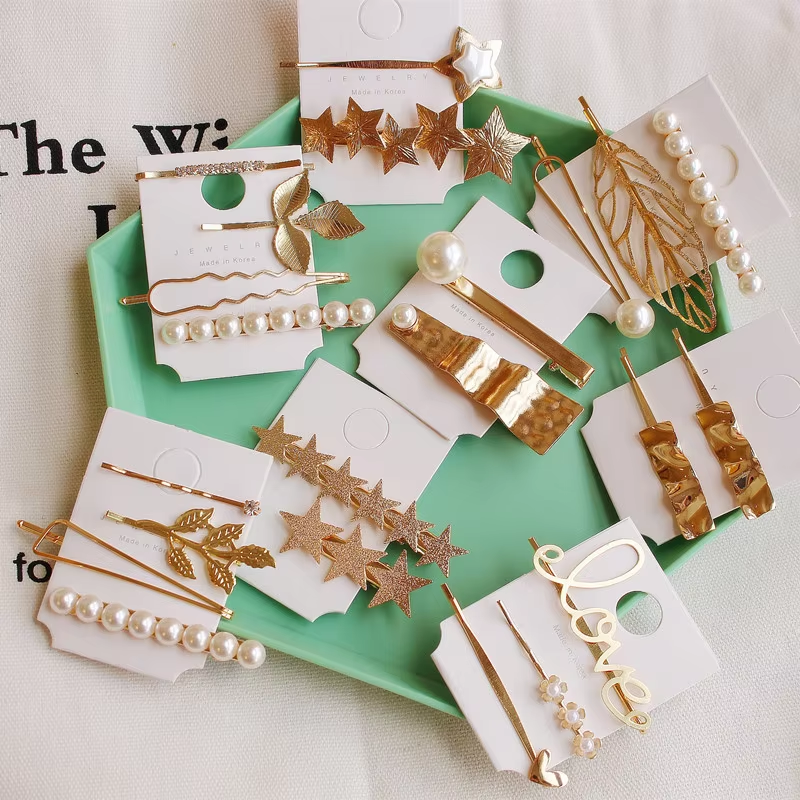
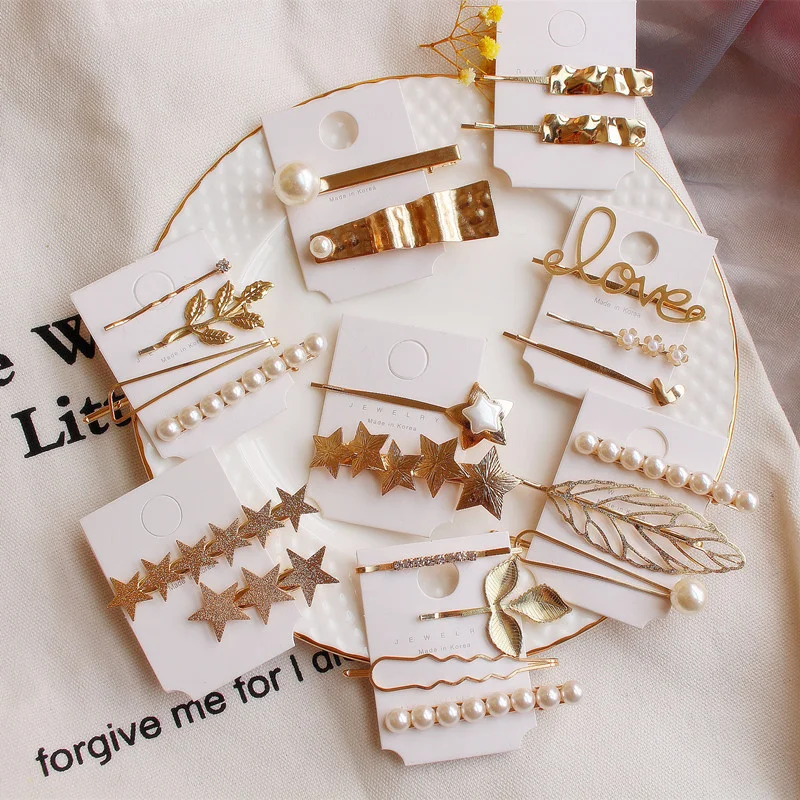
    These are gold-toned metal hair clips featuring crystal pearl flower designs. They serve dual purposes as hair styling tools and decorative accessories. They are ideal for renters or small-space dwellers who need functional items that occupy minimal shelf or drawer space while providing daily utility for securing hairstyles.

    What to look for

    Physical Dimensions

    Measure the clip length and width against your existing jewelry tray or drawer compartments. Ensure the rhinestone protrusion does not interfere with drawer closures or adjacent items. Check the packaging for exact millimeter measurements if available.

    Material Composition

    Verify the metal base is alloy or gold-plated to prevent rust in humid environments. Confirm the crystals are rhinestones rather than glass to avoid chipping during frequent use. Look for secure prong settings that hold stones firmly in place.

    Construction Quality

    Test the spring tension if possible, or check reviews for durability of the bobby pin mechanism. Ensure the metal coating is even to prevent skin irritation or discoloration over time. A solid construction ensures the clip remains functional after repeated use.

    How to use it

    Drawer Organization

    Place clips in a shallow compartment of a desk or bathroom drawer to keep them visible and accessible. Arrange them vertically to maximize vertical space and prevent tangling with other hair accessories.

    Travel Packing

    Use a small zip-lock bag or travel case to protect the rhinestones from pressure in a suitcase. This prevents scratches and keeps the clips organized during transit, reducing clutter in limited luggage space.

    Product photos

    Compact Gold Rhinestone Hair Clips Measure Before Buying — view 1

    Compact Gold Rhinestone Hair Clips Measure Before Buying — view 2

    At a glance

    Material Gold-toned metal with rhinestone and pearl accents
    Typical size Varies by specific style, generally compact bobby pin size
    Best for Securing updos, side buns, and securing scarves or hats
    Where it fits jewelry drawer, vanity tray, or small storage box

    Frequently asked questions

    Do these clips damage hair?

    The metal base is designed to grip hair without excessive pressure. However, always check the prong settings for sharp edges before use. If you have fine or thin hair, ensure the clip is not too heavy to avoid pulling or breakage.

    How do I clean rhinestone hair clips?

    Use a soft, dry cloth to wipe away dust and oils. Avoid submerging metal clips in water to prevent tarnishing or rust. For deeper cleaning, use a lightly dampened cloth and dry immediately to maintain the finish.

    Are these clips suitable for thick hair?

    Standard bobby pin mechanisms may struggle with very thick or heavy hair. For best results, use multiple clips or choose a heavier gauge metal option. Measure your hair thickness to ensure the clip has sufficient grip strength.

    Verdict

    Buy if you need elegant, compact hair accessories that double as decorative items. Avoid if you require heavy-duty holding power for very thick hair or prefer minimalistic, non-decorative tools. Measure your storage space first to ensure a good fit.

    Product: Compact Gold Rhinestone Hair Clips: Measure Before Buying

    Compact Gold Rhinestone Hair Clips: Measure Before Buying

    View this product on AliExpress

    Listing: https://www.aliexpress.com/item/1005005145341391.html

    {“@context”: “https://schema.org”, “@graph”: [{“@type”: “Article”, “headline”: “Compact Gold Rhinestone Hair Clips: Measure Before Buying”, “description”: “Measure your drawer space before buying gold rhinestone bobby pins. These compact crystal flower clips fit tight spots. Ideal for small apartments needing multi”, “inLanguage”: “en”, “author”: {“@type”: “Organization”, “name”: “misunshine.store”}}, {“@type”: “FAQPage”, “mainEntity”: [{“@type”: “Question”, “name”: “Do these clips damage hair?”, “acceptedAnswer”: {“@type”: “Answer”, “text”: “The metal base is designed to grip hair without excessive pressure. However, always check the prong settings for sharp edges before use. If you have fine or thin hair, ensure the clip is not too heavy to avoid pulling or breakage.”}}, {“@type”: “Question”, “name”: “How do I clean rhinestone hair clips?”, “acceptedAnswer”: {“@type”: “Answer”, “text”: “Use a soft, dry cloth to wipe away dust and oils. Avoid submerging metal clips in water to prevent tarnishing or rust. For deeper cleaning, use a lightly dampened cloth and dry immediately to maintain the finish.”}}, {“@type”: “Question”, “name”: “Are these clips suitable for thick hair?”, “acceptedAnswer”: {“@type”: “Answer”, “text”: “Standard bobby pin mechanisms may struggle with very thick or heavy hair. For best results, use multiple clips or choose a heavier gauge metal option. Measure your hair thickness to ensure the clip has sufficient grip strength.”}}]}, {“@type”: “Product”, “name”: “Compact Gold Rhinestone Hair Clips: Measure Before Buying”, “description”: “These are gold-toned metal hair clips featuring crystal pearl flower designs. They serve dual purposes as hair styling tools and decorative accessories. They are ideal for renters or small-space dwellers who need functional items that occupy minimal shelf or drawer space while providing daily utilit”, “image”: “https://ae-pic-a1.aliexpress-media.com/kf/S89387a9c7c634da1913a06647da17005b.jpg”, “offers”: {“@type”: “Offer”, “availability”: “https://schema.org/InStock”}}]}