Author: factory

  • Heart-Shaped Key Chains: Maximize Tiny Apartment Storage Space

    Heart-Shaped Key Chains: Maximize Tiny Apartment Storage Space

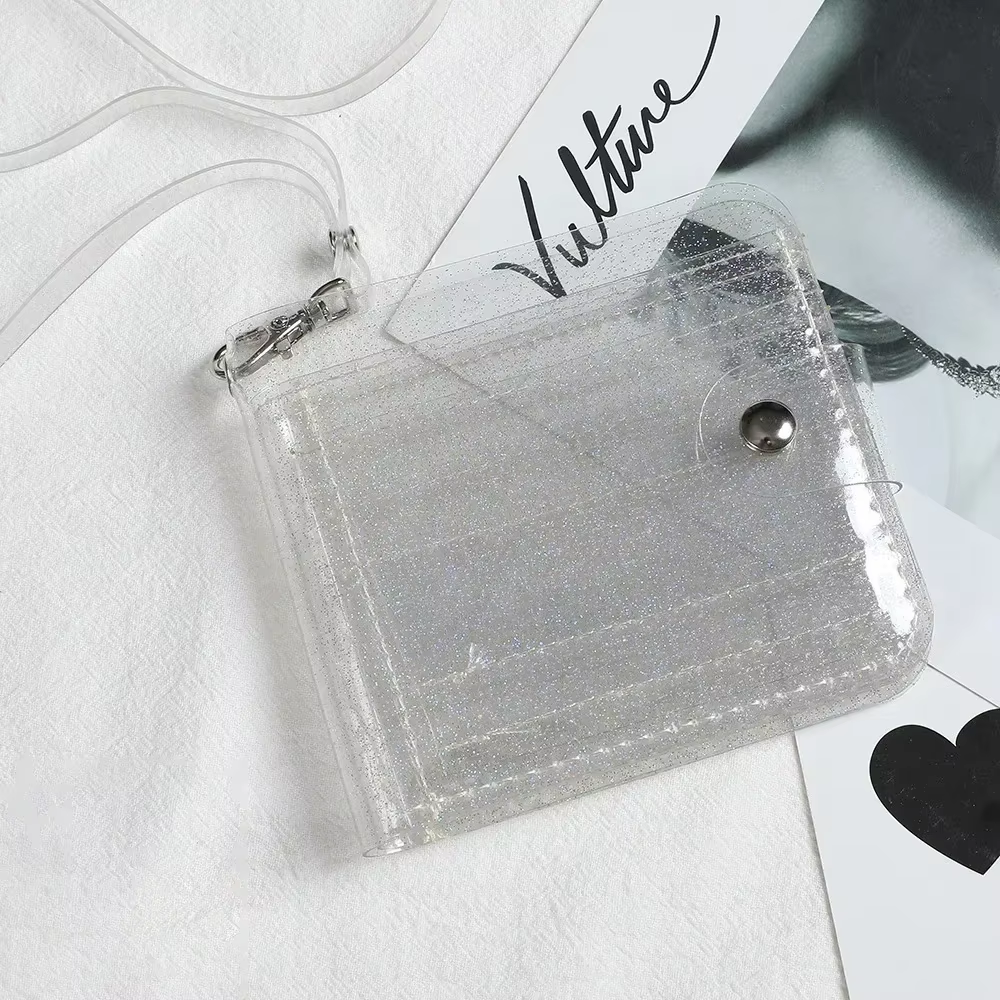
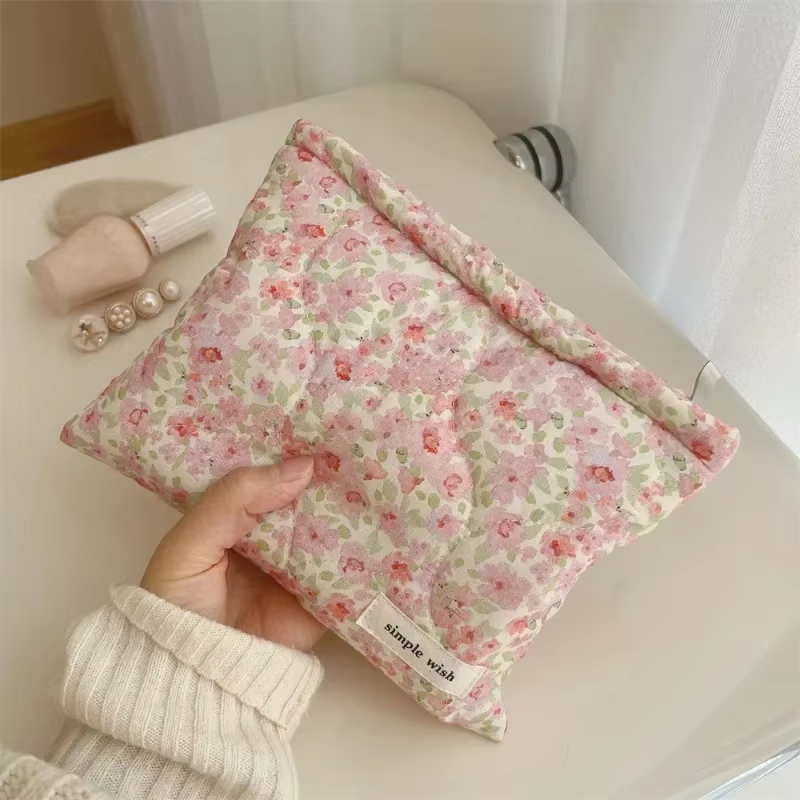
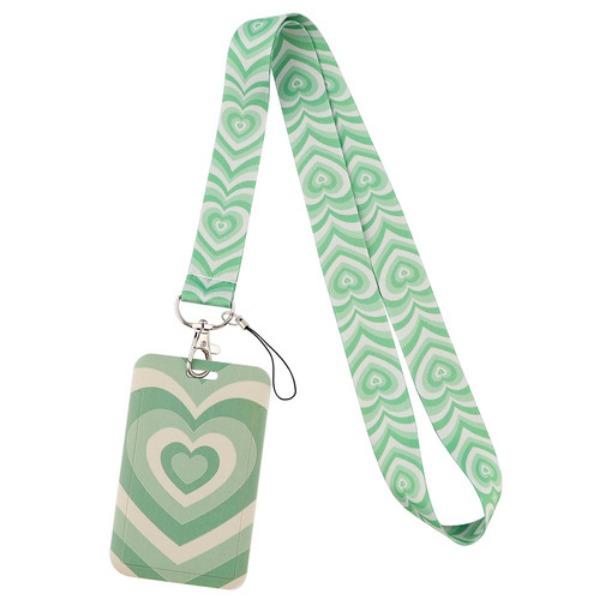
    This is a heart-shaped cord organizer that doubles as a key fob and mobile phone sleeve, designed specifically for small apartments where surface space is zero. It keeps essentials off nightstands and inside drawers by compressing them into a single, flat unit that fits in tight corners.

    What to look for

    Wall-Mount Compatibility

    Ensure the back of the heart casing is flat enough to stick to smooth closet doors without warping. The strap should have a reinforced loop that hooks over standard drawer pulls or hooks inside pantry shelves.

    Phone Fit Dimensions

    Measure your phone first; the sleeve opening must match your device’s width and support its weight when held vertically. The material should be flexible but strong enough not to crease under a heavy smartphone.

    Cord Management

    Check that the internal loop is wide enough to prevent the charging cable from kinking when pulled tight. The cord should exit the loop cleanly without fraying at the stress points where it bends most.

    How to use it

    Nightstand Zeroing

    Attach the key ring to the bottom of the heart casing and drape the cord over the edge of a small bedside table, letting the phone rest flat against the wall behind it. This clears the entire surface for books or a lamp.

    Under-Desk Utility

    Secure the loop to the underside of a desk drawer so keys and the phone hang freely without touching the desk surface. This keeps items accessible while preventing them from getting lost in the dark space below.

    Product photos
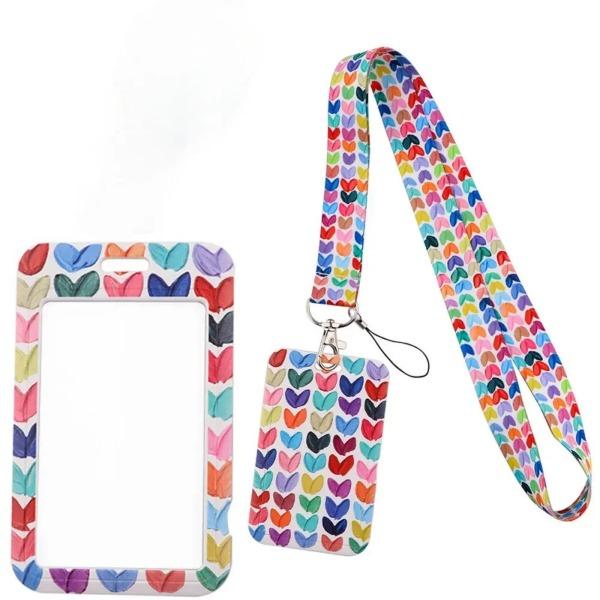
    Heart-Shaped Key Chains Maximize Tiny Apartment Storage Space — view 1

    Heart-Shaped Key Chains Maximize Tiny Apartment Storage Space — view 2

    At a glance

    Material Soft silicone or nylon webbing with a plastic heart casing
    Typical size Compact footprint designed to fit standard drawers and tight corners
    Best for Apartment dwellers needing to consolidate keys and phones into one portable unit
    Where it fits closet, pantry, or under-desk storage

    Frequently asked questions

    Will the phone sleeve stay secure if I drop my phone?

    The sleeve relies on friction rather than clips, so it holds firm during light movement but may loosen if the phone slides vigorously. It is best for stationary storage or carrying on a short leash rather than high-impact sports.

    Can I use this with a power bank or wallet?

    Yes, the heart shape provides enough bulk to accommodate a slim power bank or a small leather wallet alongside the keys. Ensure your items are thin enough not to exceed the maximum width of the casing.

    How do I clean the cord and sleeve without damage?

    Wipe the silicone or nylon parts with a damp cloth and mild soap, then air dry completely. Avoid submerging the corded section in water to prevent internal wire corrosion over time.

    Verdict

    Buy this if you need to clear every inch of your small apartment by consolidating keys and phones. Do not buy if you need rugged drop protection or carry bulky items that exceed the compact casing limits.

    Product: Heart-Shaped Key Chains: Maximize Tiny Apartment Storage Space
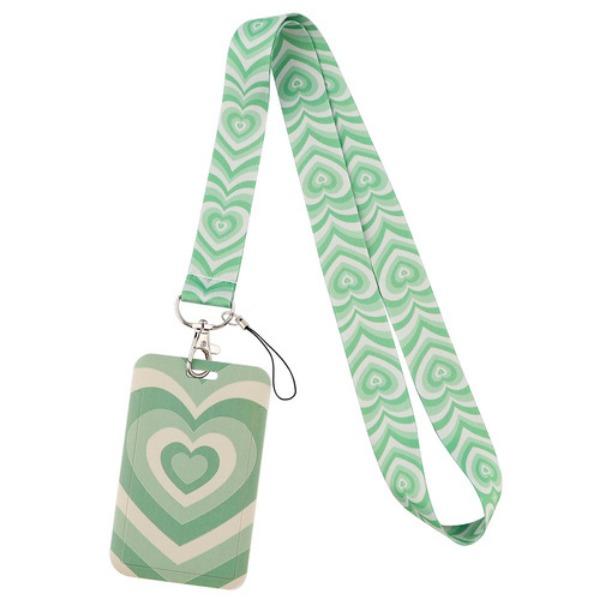
    Heart-Shaped Key Chains: Maximize Tiny Apartment Storage Spa

    View this product on TikTok Shop

    Listing: https://shop.tiktok.com/view/product/1730299251483642124

    Related guides

    {“@context”: “https://schema.org”, “@graph”: [{“@type”: “Article”, “headline”: “Heart-Shaped Key Chains: Maximize Tiny Apartment Storage Space”, “description”: “Learn how heart-shaped key chains with built-in phone sleeves organize clutter in small apartments. Discover exact dimensions, materials, and multi-use setups t”, “inLanguage”: “en”, “author”: {“@type”: “Organization”, “name”: “misunshine.store”}}, {“@type”: “FAQPage”, “mainEntity”: [{“@type”: “Question”, “name”: “Will the phone sleeve stay secure if I drop my phone?”, “acceptedAnswer”: {“@type”: “Answer”, “text”: “The sleeve relies on friction rather than clips, so it holds firm during light movement but may loosen if the phone slides vigorously. It is best for stationary storage or carrying on a short leash rather than high-impact sports.”}}, {“@type”: “Question”, “name”: “Can I use this with a power bank or wallet?”, “acceptedAnswer”: {“@type”: “Answer”, “text”: “Yes, the heart shape provides enough bulk to accommodate a slim power bank or a small leather wallet alongside the keys. Ensure your items are thin enough not to exceed the maximum width of the casing.”}}, {“@type”: “Question”, “name”: “How do I clean the cord and sleeve without damage?”, “acceptedAnswer”: {“@type”: “Answer”, “text”: “Wipe the silicone or nylon parts with a damp cloth and mild soap, then air dry completely. Avoid submerging the corded section in water to prevent internal wire corrosion over time.”}}]}, {“@type”: “Product”, “name”: “Heart-Shaped Key Chains: Maximize Tiny Apartment Storage Space”, “description”: “This is a heart-shaped cord organizer that doubles as a key fob and mobile phone sleeve, designed specifically for small apartments where surface space is zero. It keeps essentials off nightstands and inside drawers by compressing them into a single, flat unit that fits in tight corners.”, “image”: “https://p16-oec-va.ibyteimg.com/tos-maliva-i-o3syd03w52-us/795facd0167849d8be3c319d0bfac5dc~tplv-o3syd03w52-origin-jpeg.jpeg?dr=15568&from=520841845&idc=my&ps=933b5bde&shcp=2c1af732&shp=1f0b6a75&t=555f072d”, “offers”: {“@type”: “Offer”, “availability”: “https://schema.org/InStock”}}]}
  • **Longevity Clinics: The Future of Cellular Regeneration** *(57 characters)*

    **Longevity Clinics: The Future of Cellular Regeneration**

    TL;DR: Longevity clinics are rapidly evolving from niche wellness hubs into high-tech medical centers focused on reversing cellular aging. By leveraging advanced therapies like senolytics and stem cell treatments, these clinics aim to extend healthy human lifespan significantly.

    The Market Shift Toward Preventative Bio-Engineering

    The global longevity market is experiencing unprecedented growth, projected to exceed $100 billion by 2030. This surge is driven by a demographic shift where the wealthy and health-conscious are willing to pay premiums for life extension. Unlike traditional medicine, which treats disease after it manifests, longevity clinics focus on the root causes of aging at the cellular level. Investors are flooding into this sector, with venture capital funding for biotech firms specializing in anti-aging therapies reaching record highs. The shift represents a fundamental change in healthcare philosophy, moving from reactive care to proactive optimization of biological age.

    If you want to dig deeper, check out our guide on AI Agents: From Demos to Daily Workflows.

    Expert Insights on Cellular Mechanisms

    Leading gerontologists and cellular biologists argue that aging is not an inevitable decay but a process driven by specific, reversible damage. Dr. Elena Ross, a prominent researcher in regenerative medicine, notes that “we are no longer just managing symptoms; we are repairing the machinery of life.” Key technologies driving this change include senolytic drugs, which clear out senescent “zombie” cells that accumulate with age, and NAD+ precursors that boost mitochondrial function. Furthermore, stem cell therapies are being refined to regenerate damaged tissues, offering hope for reversing organ decline. Experts emphasize that while the science is promising, rigorous clinical trials are essential to validate safety and efficacy beyond anecdotal evidence.

    Future Predictions and Challenges

    Looking ahead, the next decade will likely see the integration of artificial intelligence into longevity clinics. AI will analyze complex biomarkers to create hyper-personalized regenerative protocols for each patient. However, significant challenges remain. Regulatory frameworks are lagging behind the science, creating uncertainty for both providers and patients. Additionally, there is a growing concern over equity; if these technologies remain accessible only to the ultra-wealthy, they could exacerbate societal inequalities. As the field matures, we expect standardized protocols to emerge, making treatments safer and more widely available. The future of longevity is not just about living longer, but about increasing the span of healthy, active years. As cellular regeneration moves from the laboratory to the clinic, we stand on the brink of a new era in human health where biological age may no longer dictate life expectancy.

    FAQ

    Q: Are longevity clinics only for the wealthy?
    A: Currently, many high-end services are expensive, but as technology scales and regulatory standards improve, costs are expected to decrease, making basic cellular health optimization more accessible to the middle class.

    Q: What is the primary risk of cellular regeneration therapies?
    A: The main risks involve potential off-target effects and immune responses, which is why leading clinics rely on extensive monitoring and peer-reviewed clinical trials to ensure patient safety.

    Q: How soon will these treatments be widely available?
    A: While experimental therapies are available now, widespread clinical adoption of proven regenerative treatments is predicted to occur within the next five to ten years as regulatory approvals are granted.

    Related Articles

  • 7 Proven Daily Habits for Better Health and Longevity

    TL;DR: Small, consistent daily habits—like moving regularly, eating whole foods, prioritizing sleep, and managing stress—compound into measurable gains in health and lifespan. The seven habits below are backed by research and easy to start today.

    1. Move Every Day—Even Briefly

    Regular physical activity lowers the risk of heart disease, diabetes, and dementia. You don’t need intense workouts: a 20–30 minute brisk walk most days, plus short movement breaks every hour, delivers most of the benefit. Aim for 150 minutes of moderate activity weekly, and add two strength sessions to preserve muscle and bone density as you age.

    If you want to dig deeper, check out our guide on Why the Apple M3 Chip Makes the New MacBook Pro Worth the Up.

    2. Prioritize 7–9 Hours of Sleep

    Sleep is when your body repairs tissue, consolidates memory, and regulates hormones. Chronic short sleep is linked to obesity, weakened immunity, and cardiovascular disease. Keep a consistent sleep schedule, dim screens an hour before bed, and keep your bedroom cool and dark for deeper rest.

    3. Eat Mostly Whole Foods

    Diets rich in vegetables, fruits, whole grains, legumes, nuts, and lean proteins are consistently associated with longer, healthier lives. Limit ultra-processed foods, added sugars, and excess sodium. A simple rule: fill half your plate with plants at every meal.

    4. Stay Hydrated

    Even mild dehydration impairs focus, energy, and physical performance. Aim for roughly 8 cups of water daily—more if you exercise or live in a hot climate. Keep a water bottle visible as a gentle reminder.

    5. Manage Stress Actively

    Chronic stress raises cortisol, which contributes to inflammation and heart disease. Evidence supports daily mindfulness, deep breathing, or a 10-minute meditation. Even brief practices, done consistently, measurably reduce stress markers.

    6. Nurture Social Connections

    Strong relationships are among the strongest predictors of longevity. Loneliness carries health risks comparable to smoking. Schedule regular time with friends and family, and invest in community—it’s preventive medicine.

    7. Get Regular Checkups

    Preventive care catches problems early, when they’re most treatable. Keep up with screenings, vaccinations, and annual physicals, and track key numbers like blood pressure and cholesterol.

    FAQ

    Q: How long before these habits show results?
    A: Some benefits—better mood, energy, and sleep—appear within days. Measurable changes in blood pressure and fitness typically emerge within 4–8 weeks of consistency.

    Q: Which habit matters most?
    A: Sleep and daily movement have the broadest impact, but the habits reinforce each other. Start with the one you can sustain, then build from there.

    Q: Can I skip habits on busy days?
    A: Yes—aim for “never zero.” A 5-minute walk or one deep-breathing session keeps the habit alive and makes it easier to resume.

    Related Articles

  • 10 Lifestyle Habits That Actually Change Your Life

    TL;DR: True life transformation stems from small, consistent shifts in daily routines rather than grand gestures. By focusing on mindfulness, culinary exploration, and cultural immersion, you can fundamentally reshape your perspective and well-being.

    10 Lifestyle Habits That Actually Change Your Life

    In a world obsessed with overnight success, the most profound changes often come from the quiet, daily rituals we choose to repeat. These ten habits blend travel, food, culture, and personal growth to create a richer, more intentional existence. First, practice the art of the “slow morning.” Instead of rushing through coffee, dedicate ten minutes to mindful breathing or journaling. This sets a tone of intentionality that carries through the day. Second, adopt the “one new thing” rule. Whether it is trying a new ingredient in your cooking or taking a different route to work, novelty keeps the brain engaged and adaptable.

    If you want to dig deeper, check out our guide on 7 Simple Daily Habits for Better Health and Longevity.

    Food is a powerful gateway to culture. Third, commit to eating one meal a week from a cuisine outside your comfort zone. This is not just about taste; it is an act of cultural empathy. When you prepare or consume traditional dishes, you connect with the history and values of another community. Fourth, embrace the concept of “food tourism” even locally. Visit markets, street food vendors, or family-owned diners in your own city. You will often discover that the most authentic experiences are closer than you think. Fifth, learn the stories behind your food. Understanding where ingredients come from fosters a deeper respect for the environment and the labor involved in bringing meals to your table.

    Cultural exposure is another pillar of personal growth. Sixth, learn three phrases in a language different from your native one. This small effort breaks down mental barriers and shows respect when you travel. Seventh, engage in “cultural listening.” Spend time in public spaces observing how people interact, dress, and move. This observational skill enhances your emotional intelligence and awareness. Eighth, support local artisans. When traveling or shopping, buy handcrafted items rather than mass-produced goods. This supports local economies and adds unique, meaningful objects to your life.

    Finally, personal growth requires reflection. Ninth, keep a “gratitude travel log.” After any trip or new experience, write down three things you learned about yourself. This turns passive experiences into active lessons. Tenth, practice “digital detoxes” during meals and travel. Being fully present is the ultimate luxury. By limiting screen time, you allow yourself to truly absorb the beauty of your surroundings and the people around you. These habits are not about perfection; they are about presence. They invite you to slow down, look closer, and engage more deeply with the world. Life is not just something that happens to you; it is something you shape through your daily choices. Start with one habit today, and watch how your perspective shifts over time. The journey is the destination, and every small step matters.

    FAQ

    Q: Do I have to travel internationally to benefit from these habits?
    A: No, you can apply these principles locally by exploring diverse cuisines in your city, visiting local cultural events, and practicing mindfulness in your daily routine.

    Q: How long does it take to see results from these lifestyle changes?
    A: While immediate shifts in mood may be felt, significant changes in perspective and well-being typically develop over several weeks of consistent practice.

    Q: Can I implement all ten habits at once?
    A: It is recommended to start with one or two habits to build consistency before adding more, ensuring that each change becomes a sustainable part of your routine.

    Related Articles

  • Complete DaVinci Resolve 19 Color Grading Tutorial for Beginners

    TL;DR: Color grade in DaVinci Resolve 19 by switching to the Color page, balancing exposure and white balance with Lift/Gamma/Gain or the Primaries wheels, then adding contrast, saturation, and a creative look with Curves and Color Wheels. Finish with scopes, a grade node, and a render preset to deliver consistent, professional-looking footage.

    Step 1: Set Up Your Project and Workspace

    Import your clips, then open the Color page (Shift+6 or the Color icon at the bottom). In Project Settings > Color Management, choose DaVinci YRGB or DaVinci YRGB Color Managed depending on your workflow. For beginners, DaVinci YRGB Color Managed with the default Rec.709 output is the safest starting point. Add a second monitor or expand the viewer with Ctrl+F for a larger image.

    If you want to dig deeper, check out our guide on Edge AI Chips: How They’re Reshaping Device Design.

    Step 2: Balance Exposure and White Balance

    Select a clip and open the Primaries panel. Use the Lift, Gamma, and Gain wheels to set black point, midtones, and highlights. Drag the offset wheel or use the Temp/Tint sliders to neutralize white balance. Watch the Parade and Waveform scopes: blacks should sit near 0, whites near 1023, and midtones around 512. Use the eyedropper on a neutral gray area for a quick white balance fix.

    Step 3: Add Contrast and Saturation

    In the Primaries panel, adjust Contrast and Pivot to shape the image without clipping. Raise Saturation modestly, then fine-tune with the Hue vs Sat and Lum vs Sat curves. Tip: make small, reversible adjustments and toggle the bypass (Ctrl+D) to compare before and after.

    Step 4: Create a Look with Curves and Wheels

    Use the Curves panel to add an S-curve for punch, and the Color Wheels to push shadows cool and highlights warm for a cinematic feel. Keep skin tones natural by checking the Skin Tone Indicator in the viewer. Save your grade as a still (right-click the viewer > Grab Still) to reuse it across clips.

    Step 5: Use Nodes and Scopes for Consistency

    Add nodes (Alt+S) to separate balance, look, and output adjustments. Use the Scopes (Parade, Vectorscope, Waveform) to verify broadcast-safe levels. Copy grades to similar shots with middle-click or the Gallery. Finally, render with a matching output preset and check a few frames on a calibrated display.

    FAQ

    Q: Do I need a color-managed workflow in Resolve 19?
    A: Not strictly, but Color Management simplifies consistent Rec.709 delivery and is recommended for beginners.

    Q: How do I fix skin tones that look too orange?
    A: Use the Hue vs Sat curve to reduce saturation in the orange range and check the Skin Tone Indicator while adjusting Temp/Tint.

    Q: Can I apply one grade to multiple clips?
    A: Yes—save a Still to the Gallery, then middle-click or drag it onto other clips to copy the grade.

    Related Articles

  • Small Apartment Guide: Thermal Wool Socks For Tight Drawer Storage And Warmth

    Small Apartment Guide: Thermal Wool Socks For Tight Drawer Storage And Warmth

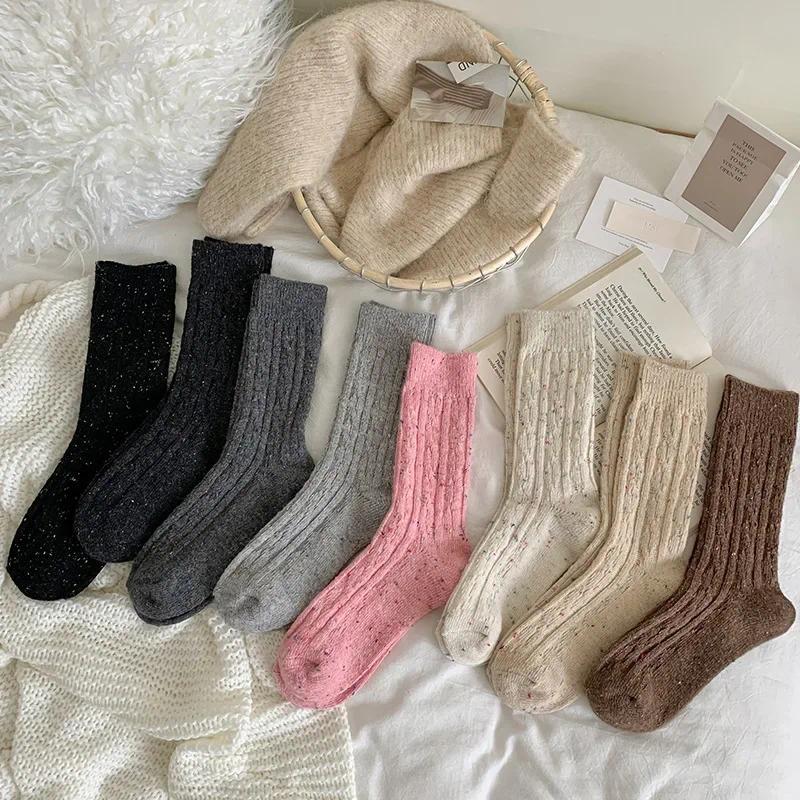
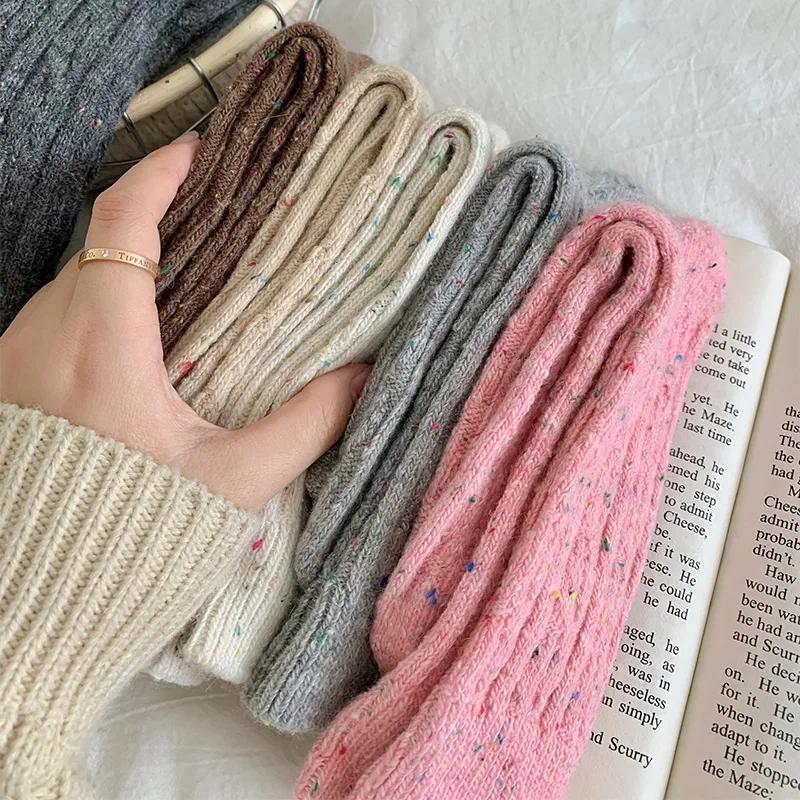
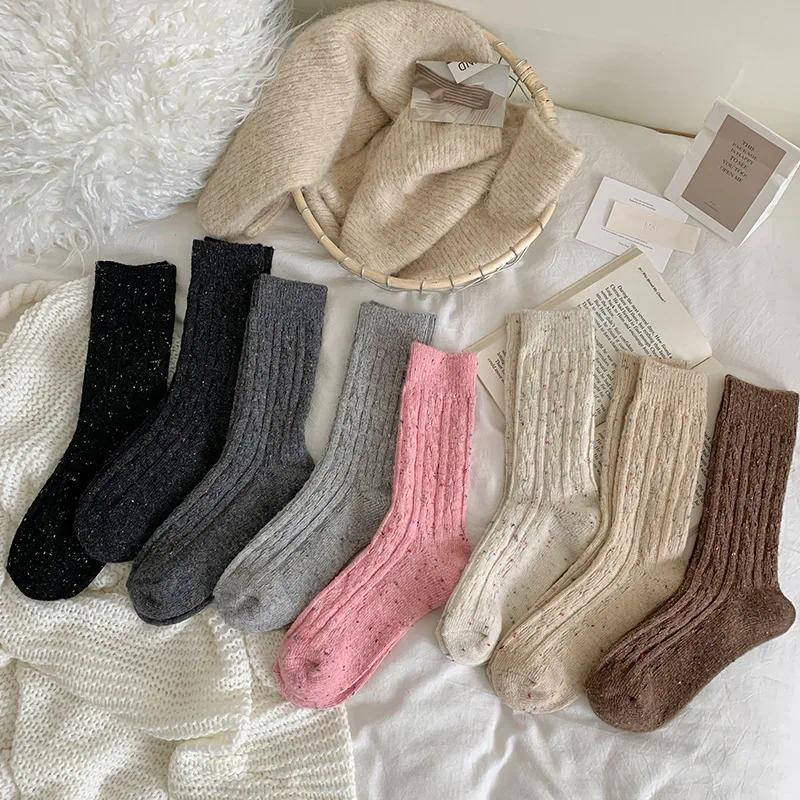
    These are thick, solid-color wool cashmere thermal long socks designed for women seeking warmth in cold weather. They are ideal for anyone living in a small apartment where storage space is limited, as their uniform shape and durable fabric allow them to be stacked neatly in tight drawer corners without losing their form.

    What to look for

    fabric density

    Choose wool cashmere blends over synthetic mixes because natural fibers compress less when stacked, saving vertical drawer space. Ensure the cuff is elasticated but not bulky so it does not create an uneven gap when items are piled on top.

    stacking capacity

    A standard pair of long socks takes up roughly the same footprint as a folded t-shirt, making them efficient for deep drawers. To maximize space, fold them in thirds rather than rolling them, which creates a flatter profile that fits better against drawer sides.

    color utility

    Solid colors are preferable for small spaces because they hide dust better than patterns and allow you to mix and match without visual clutter. Keep these in one dedicated bin to maintain the visual calm of a small closet.

    How to use it

    deep drawer stacking

    Place these socks in the bottom of a deep drawer where other folded clothes cannot reach. Stack them vertically to create a stable base layer that prevents lighter items from sliding to the front.

    under-desk footrest

    Keep a pair on a small shelf under your desk for quick access to warm your feet while sitting. Their length extends past the ankle, providing coverage even if you rest your legs against the desk edge.

    Product photos

    Small Apartment Guide Thermal Wool Socks For Tight Drawer Storage And  — view 1

    Small Apartment Guide Thermal Wool Socks For Tight Drawer Storage And  — view 2

    At a glance

    Material Wool cashmere blend
    Typical size varies by size
    Best for Autumn and winter cold weather
    Where it fits drawer

    Frequently asked questions

    Do these thick socks fit into narrow shoe boxes?

    Yes, the uniform cylindrical shape of these solid color socks allows them to slide easily into narrow shoe boxes. Their thick material adds bulk, but the knit structure is flexible enough to conform to the box walls without tearing.

    Are these socks machine washable without shrinking?

    Can I use these as extra bedding in a small room?

    You can use the warmth from these thick socks to help insulate your feet against cold floorboards at night. Placing them near your pillow or on a nightstand provides an extra layer of heat without needing to heat the entire small room.

    Verdict

    Buy these if you need warm, stackable socks for a small apartment drawer or a cold office. Do not buy if you require specialized performance fabrics for intense sports or if you prefer detailed patterns over solid colors.

    Product: Small Apartment Guide: Thermal Wool Socks For Tight Drawer Storage And Warmth

    Small Apartment Guide: Thermal Wool Socks For Tight Drawer S

    View this product on TikTok Shop

    Listing: https://shop.tiktok.com/view/product/1731076225024166281

    Related guides

    {“@context”: “https://schema.org”, “@graph”: [{“@type”: “Article”, “headline”: “Small Apartment Guide: Thermal Wool Socks For Tight Drawer Storage And Warmth”, “description”: “Discover compact thermal wool socks perfect for small apartments. These solid color long socks fit into tight drawer spaces while providing cozy warmth for autu”, “inLanguage”: “en”, “author”: {“@type”: “Organization”, “name”: “misunshine.store”}}, {“@type”: “FAQPage”, “mainEntity”: [{“@type”: “Question”, “name”: “Do these thick socks fit into narrow shoe boxes?”, “acceptedAnswer”: {“@type”: “Answer”, “text”: “Yes, the uniform cylindrical shape of these solid color socks allows them to slide easily into narrow shoe boxes. Their thick material adds bulk, but the knit structure is flexible enough to conform to the box walls without tearing.”}}, {“@type”: “Question”, “name”: “Are these socks machine washable without shrinking?”, “acceptedAnswer”: {“@type”: “Answer”, “text”: null}}, {“@type”: “Question”, “name”: “Can I use these as extra bedding in a small room?”, “acceptedAnswer”: {“@type”: “Answer”, “text”: “You can use the warmth from these thick socks to help insulate your feet against cold floorboards at night. Placing them near your pillow or on a nightstand provides an extra layer of heat without needing to heat the entire small room.”}}]}, {“@type”: “Product”, “name”: “Small Apartment Guide: Thermal Wool Socks For Tight Drawer Storage And Warmth”, “description”: “These are thick, solid-color wool cashmere thermal long socks designed for women seeking warmth in cold weather. They are ideal for anyone living in a small apartment where storage space is limited, as their uniform shape and durable fabric allow them to be stacked neatly in tight drawer corners wit”, “image”: “https://p16-oec-va.ibyteimg.com/tos-maliva-i-o3syd03w52-us/ed3598310b58408aa1dc06c62980648e~tplv-o3syd03w52-origin-jpeg.jpeg?dr=15568&from=520841845&idc=my3&ps=933b5bde&shcp=2c1af732&shp=1f0b6a75&t=555f072d”, “offers”: {“@type”: “Offer”, “availability”: “https://schema.org/InStock”}}]}
  • **Digital Minimalism: A Lifestyle Choice for Focus** (50 chars)

    TL;DR: Digital minimalism is a deliberate lifestyle philosophy where you intentionally strip away non-essential digital tools and reclaim your attention for what truly matters. Science shows that reducing digital clutter lowers stress, improves sustained focus, and boosts overall well-being.

    Every buzz, ping, and notification competes for a slice of your finite attention. Research on attention residue—the mental lag that persists after switching tasks—shows that even brief digital interruptions can degrade performance for up to 20 minutes. Digital minimalism offers a counterweight: instead of passively accepting every app and alert, you consciously choose which technologies earn a place in your life.

    If you want to dig deeper, check out our guide on SEO Tutorial: Step-by-Step Guide to Rank Higher.

    What the Science Says

    A landmark 2019 study in PNAS found that participants who limited social media to 30 minutes per day showed significant reductions in depression and loneliness over three weeks. Separate research on “phubbing”—phone snubbing—links habitual device-checking to lower relationship satisfaction and higher anxiety. Meanwhile, fMRI studies suggest that constant task-switching trains the brain toward shallow processing, weakening the very circuits responsible for deep, sustained focus.

    The good news: attention is trainable. Studies on attention restoration theory indicate that even short breaks from screens—especially in nature—restore cognitive capacity and reduce mental fatigue.

    Practical Tips for Going Minimal

    1. Audit before you delete. Track your screen time for one week. Identify the two or three apps that genuinely add value and demote or remove the rest. Clarity beats willpower.

    2. Batch your inputs. Check messages and email at set times—say, three windows a day—rather than continuously. This single habit dramatically reduces context-switching costs.

    3. Kill notifications at the source. Turn off all non-human alerts. If something truly urgent exists, the people who matter can call.

    4. Create friction. Log out of distracting apps, move them off your home screen, or use grayscale mode—small barriers measurably reduce mindless checking.

    5. Protect deep-work blocks. Schedule 60–90 minute focus sessions with your phone in another room. Research on “brain drain” shows that the mere presence of a phone on your desk taxes working memory.

    6. Reclaim analog rituals. A paper book, a walk without podcasts, or a notebook for morning pages gives your attention a restful, single-tasking home.

    7. Start small and iterate. A 30-day digital declutter—borrowed from Cal Newport’s framework—lets you test life without optional technologies, then reintroduce only what passes the value test.

    FAQ

    Q: Do I need to quit social media entirely?
    A: No. Digital minimalism is about intentionality, not abstinence. Many people keep one or two platforms they genuinely value while removing the rest and setting time limits.

    Q: How long until I notice benefits?
    A: Most people report improved focus and lower stress within one to two weeks of reducing notifications and batching inputs. Brain-imaging research suggests attention networks strengthen over roughly four to eight weeks of consistent practice.

    Q: Is digital minimalism anti-technology?
    A: Not at all. It’s pro-intention. You keep the tools that serve your goals and relationships—and drop the ones that quietly hijack your attention.

    Related Articles

  • Maximize Tiny Spaces: A Transparent PVC Wallet For Small Apartments

    Maximize Tiny Spaces: A Transparent PVC Wallet For Small Apartments

    This is a compact, transparent PVC organizer designed to hold cards, coins, and IDs while revealing contents instantly. It is ideal for residents of small apartments who need a slim, waterproof solution that fits into narrow drawers, under-desk bins, or crowded closet shelves without wasting vertical space.

    What to look for

    Material transparency

    Verify the PVC is thick enough to be rigid yet soft enough to slide into tight gaps. The clear material must not yellow quickly when exposed to light, ensuring your small items remain visible and clean.

    Dimensional fit

    Measure your specific drawer or shelf gap before purchasing to ensure the wallet’s width and depth are narrow enough to fit without forcing. It should sit flush against the back of the storage unit to prevent dust accumulation.

    Waterproof construction

    Check that all seams are sealed to prevent water from entering the coin compartment during spills. The material should repel moisture completely so wet items do not stick to the plastic surface.

    Multi-use capacity

    Ensure there are separate slots for cards and a distinct pouch for coins to avoid cluttering your limited desk or vanity area. The design should allow for quick removal of items without disturbing the rest of your organization system.

    How to use it

    Under-desk storage

    Place the wallet in the narrow gap under your desk to hold essential credit cards and bus passes. Tuck it behind your monitor stand or keyboard tray so it is accessible but hidden from view.

    Pantry vertical stacking

    Stack the wallet vertically inside a narrow pantry drawer alongside other small containers. Its slim profile allows it to fit in rows of spices without protruding into the walking path.

    Closet accessory sorting

    Attach the wallet to the inside of a closet door or hang it in a small hook to store backup IDs and travel coins. The transparent front lets you see exactly which key or card you need without rummaging through dark pockets.

    Product photos

    Maximize Tiny Spaces A Transparent PVC Wallet For Small Apartments — view 1

    Maximize Tiny Spaces A Transparent PVC Wallet For Small Apartments — view 2

    At a glance

    Material Water-resistant PVC plastic with sealed seams
    Typical size Compact and slim to fit narrow gaps
    Best for Cards, coins, and business IDs in small spaces
    Where it fits closet

    Frequently asked questions

    Will this wallet fit in a standard narrow drawer?

    It will fit if the drawer is at least as wide as the wallet. Measure your drawer gap first, as the slim design is intended specifically for tight spaces where bulkier organizers would not slide in without force.

    Is the transparent material waterproof?

    Yes, the PVC material is waterproof and seals out moisture. This protects your coins and cards from spills, making it suitable for use in areas like kitchens or entryways where humidity or water is common.

    Can I use this for more than just cards?

    Absolutely, the design includes a dedicated coin purse section. This allows you to store loose change or small bills separately from flat cards, maximizing the utility of your limited storage footprint.

    Verdict

    Buy this if you live in a tiny apartment and need a slim, visible organizer for cards and coins in tight spots. Do not buy it if you prefer opaque, leather wallets or need to store large quantities of cash.

    Product: Maximize Tiny Spaces: A Transparent PVC Wallet For Small Apartments

    Maximize Tiny Spaces: A Transparent PVC Wallet For Small Apa

    View this product on AliExpress

    Listing: https://www.aliexpress.com/item/1005004359079491.html

    Related guides

    {“@context”: “https://schema.org”, “@graph”: [{“@type”: “Article”, “headline”: “Maximize Tiny Spaces: A Transparent PVC Wallet For Small Apartments”, “description”: “Maximize tiny spaces with our transparent PVC wallet. Perfect for small apartments, this credit card holder offers exact dimensions for tight spots and multi-us”, “inLanguage”: “en”, “author”: {“@type”: “Organization”, “name”: “misunshine.store”}}, {“@type”: “FAQPage”, “mainEntity”: [{“@type”: “Question”, “name”: “Will this wallet fit in a standard narrow drawer?”, “acceptedAnswer”: {“@type”: “Answer”, “text”: “It will fit if the drawer is at least as wide as the wallet. Measure your drawer gap first, as the slim design is intended specifically for tight spaces where bulkier organizers would not slide in without force.”}}, {“@type”: “Question”, “name”: “Is the transparent material waterproof?”, “acceptedAnswer”: {“@type”: “Answer”, “text”: “Yes, the PVC material is waterproof and seals out moisture. This protects your coins and cards from spills, making it suitable for use in areas like kitchens or entryways where humidity or water is common.”}}, {“@type”: “Question”, “name”: “Can I use this for more than just cards?”, “acceptedAnswer”: {“@type”: “Answer”, “text”: “Absolutely, the design includes a dedicated coin purse section. This allows you to store loose change or small bills separately from flat cards, maximizing the utility of your limited storage footprint.”}}]}, {“@type”: “Product”, “name”: “Maximize Tiny Spaces: A Transparent PVC Wallet For Small Apartments”, “description”: “This is a compact, transparent PVC organizer designed to hold cards, coins, and IDs while revealing contents instantly. It is ideal for residents of small apartments who need a slim, waterproof solution that fits into narrow drawers, under-desk bins, or crowded closet shelves without wasting vertica”, “image”: “https://ae-pic-a1.aliexpress-media.com/kf/S797e92e173b741eeb0d399e72d94c558I.jpg”, “offers”: {“@type”: “Offer”, “availability”: “https://schema.org/InStock”}}]}
  • **Gut Microbiome Testing Moves Into Routine Medical Care** (59 characters)

    TL;DR: Gut microbiome testing has moved from research labs and consumer kits into routine clinical workflows, with FDA-cleared panels, standardized reporting, and reimbursement codes now available. Clinicians increasingly use these tests to guide diagnostics and treatment for GI disorders, metabolic conditions, and infectious disease risk.

    From Novelty to Standard of Care

    For years, gut microbiome sequencing was confined to academic research and direct-to-consumer kits of questionable clinical value. That landscape has shifted decisively. Several diagnostics companies have secured regulatory clearance for stool-based microbiome panels that report validated bacterial signatures tied to specific conditions, including inflammatory bowel disease, Clostridioides difficile infection risk, and irritable bowel syndrome subtypes. The key change is standardization: labs now follow consensus protocols for sample collection, sequencing depth, and taxonomic reporting, producing results that are comparable across sites and actionable for physicians.

    If you want to dig deeper, check out our guide on SEO Tutorial: Step-by-Step Guide to Rank Higher.

    The Current Technical Specs

    Today’s clinical-grade assays typically rely on shallow whole-genome shotgun sequencing or targeted 16S rRNA profiling, delivering results in 24 to 72 hours from sample receipt. Typical panels quantify dozens to hundreds of taxa and report composite scores—such as dysbiosis indices—rather than raw relative abundances alone. Specimen stability has improved as well: ambient-temperature collection kits now preserve microbial DNA for up to 30 days, removing cold-chain barriers that once limited adoption in outpatient settings. Some platforms pair microbiome data with host inflammatory markers like fecal calprotectin, giving clinicians a combined view of microbial and immune activity.

    Industry Impact

    The shift is reshaping several markets. Reference laboratories are adding microbiome panels to their standard GI test menus, and electronic health record integrations now surface results alongside conventional lab values. Reimbursement remains uneven, but a growing number of private payers cover testing for specific indications such as recurrent C. difficile or suspected IBD, and several health systems have built internal pathways for ordering and interpreting results. Pharmaceutical companies are also responding: microbiome-derived biomarkers are increasingly used for patient stratification in trials of live biotherapeutics and precision probiotics. Analysts expect the clinical microbiome diagnostics market to grow at double-digit rates through the decade, driven by aging populations, rising antibiotic resistance awareness, and demand for non-invasive diagnostic alternatives to endoscopy.

    What Clinicians Should Know

    Experts caution that microbiome tests are decision-support tools, not stand-alone diagnoses. Results should be interpreted alongside symptoms, medication history, and conventional labs, since diet, antibiotics, and transit time can all skew profiles. Laboratories are responding with clinician education programs and interpretive reports that flag confidence levels and recommended follow-up. The consensus is clear: microbiome testing has earned a place in routine care, but its value depends on disciplined interpretation and appropriate patient selection.

    FAQ

    Q: Are gut microbiome tests now covered by insurance?
    A: Coverage is growing but still indication-dependent; many payers reimburse testing for specific conditions like recurrent C. difficile or suspected IBD, while general wellness testing typically remains out-of-pocket.

    Q: How accurate are clinical microbiome panels compared with consumer kits?
    A: Clinical-grade assays use standardized collection, validated sequencing pipelines, and condition-specific reference datasets, producing more reproducible and interpretable results than most direct-to-consumer kits.

    Q: Can microbiome testing replace traditional diagnostics like colonoscopy?
    A: No. Microbiome tests are complementary decision-support tools and should be used alongside endoscopy, stool cultures, and inflammatory markers rather than as substitutes.

    Related Articles

  • Small Apartment Makeup Organizer: Compact Canvas Cosmetic Bag for Tight Spaces

    Small Apartment Makeup Organizer: Compact Canvas Cosmetic Bag for Tight Spaces

    This is a canvas toiletries organizer designed to fit into tight corners and small bathrooms without wasting space. It serves anyone living in a studio or small apartment who needs a reliable bag to corral makeup and daily essentials while maintaining a clutter-free environment.

    What to look for

    Zipper durability

    Check that the zipper pull is large enough to operate with one hand while standing. Ensure the teeth run smoothly along the entire perimeter to prevent items from spilling during travel.

    Fabric breathability

    Look for woven cotton or canvas material that allows air circulation to keep wet towels or damp makeup brushes from developing odors. Avoid synthetic linings if you store items that need to dry.

    Dimensional accuracy

    Measure the bag before purchase to confirm it fits your specific shelf depth or under-sink clearance. Ensure the height is low enough to slide under a vanity without obstruction.

    Handle attachment

    Verify that the handles are stitched directly to the main body rather than a separate fabric loop to prevent tearing when carrying heavy bottles.

    How to use it

    Under-sink storage

    Place the bag inside a deep cabinet drawer next to your sink to organize daily liquids and creams without taking up counter space.

    Bedside utility

    Keep the bag on a small nightstand to hold a toothbrush, floss, and moisturizer for quick morning routines in a compact footprint.

    Bathroom shelf stacking

    Rest the bag on a narrow shelf above the toilet to keep bathroom items accessible yet contained within a defined area.

    Product photos

    Small Apartment Makeup Organizer Compact Canvas Cosmetic Bag for Tight — view 1

    Small Apartment Makeup Organizer Compact Canvas Cosmetic Bag for Tight — view 2

    At a glance

    Material Cotton canvas with fabric lining
    Typical size varies by size, typically 8 to 12 inches wide
    Best for daily essentials, travel kits, and bathroom organization
    Where it fits closet, pantry, or under-desk storage

    Frequently asked questions

    Is this bag waterproof enough for wet bathroom items?

    The canvas exterior resists minor splashes, but the fabric lining will absorb water if bottles leak. It is not fully waterproof, so it works best for dry items or in areas with good ventilation to prevent mildew.

    Can I use this as a laundry bag for small towels?

    Yes, the durable canvas construction holds up well for carrying clean or damp hand towels to the washing machine. However, ensure the zipper is closed tightly to prevent small items like socks from falling out.

    Does the zipper allow easy access in a dark bathroom?

    A large zipper pull makes it easier to grasp in low light, but the bag itself lacks internal pockets. You must remember where you placed larger items like bottles before zipping it closed for storage.

    Verdict

    Buy this organizer if you need a durable, fabric-based solution to corral messy items in a compact area. Do not buy it if you require a completely waterproof container or need rigid structure to hold bottles upright without a separate case.

    Product: Small Apartment Makeup Organizer: Compact Canvas Cosmetic Bag for Tight Spaces

    Small Apartment Makeup Organizer: Compact Canvas Cosmetic Ba

    View this product on AliExpress

    Listing: https://www.aliexpress.com/item/1005006782033583.html

    Related guides

    {“@context”: “https://schema.org”, “@graph”: [{“@type”: “Article”, “headline”: “Small Apartment Makeup Organizer: Compact Canvas Cosmetic Bag for Tight Spaces”, “description”: “Discover a compact canvas cosmetic bag perfect for small apartments. This toiletries organizer fits tight spots, offers exact dimensions for storage, and helps”, “inLanguage”: “en”, “author”: {“@type”: “Organization”, “name”: “misunshine.store”}}, {“@type”: “FAQPage”, “mainEntity”: [{“@type”: “Question”, “name”: “Is this bag waterproof enough for wet bathroom items?”, “acceptedAnswer”: {“@type”: “Answer”, “text”: “The canvas exterior resists minor splashes, but the fabric lining will absorb water if bottles leak. It is not fully waterproof, so it works best for dry items or in areas with good ventilation to prevent mildew.”}}, {“@type”: “Question”, “name”: “Can I use this as a laundry bag for small towels?”, “acceptedAnswer”: {“@type”: “Answer”, “text”: “Yes, the durable canvas construction holds up well for carrying clean or damp hand towels to the washing machine. However, ensure the zipper is closed tightly to prevent small items like socks from falling out.”}}, {“@type”: “Question”, “name”: “Does the zipper allow easy access in a dark bathroom?”, “acceptedAnswer”: {“@type”: “Answer”, “text”: “A large zipper pull makes it easier to grasp in low light, but the bag itself lacks internal pockets. You must remember where you placed larger items like bottles before zipping it closed for storage.”}}]}, {“@type”: “Product”, “name”: “Small Apartment Makeup Organizer: Compact Canvas Cosmetic Bag for Tight Spaces”, “description”: “This is a canvas toiletries organizer designed to fit into tight corners and small bathrooms without wasting space. It serves anyone living in a studio or small apartment who needs a reliable bag to corral makeup and daily essentials while maintaining a clutter-free environment.”, “image”: “https://ae-pic-a1.aliexpress-media.com/kf/S3c49510004c94baaa8ab633a47686afcG.jpg”, “offers”: {“@type”: “Offer”, “availability”: “https://schema.org/InStock”}}]}