Author: factory

  • Small Pink Canvas Makeup Pouch: Exact Dimensions for Tight Storage

    Small Pink Canvas Makeup Pouch: Exact Dimensions for Tight Storage

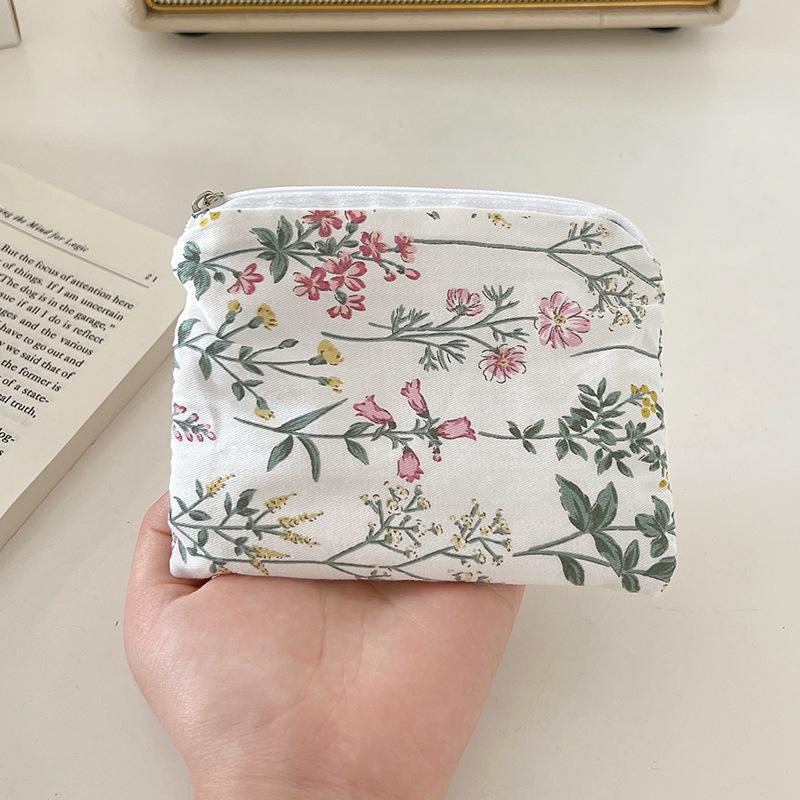
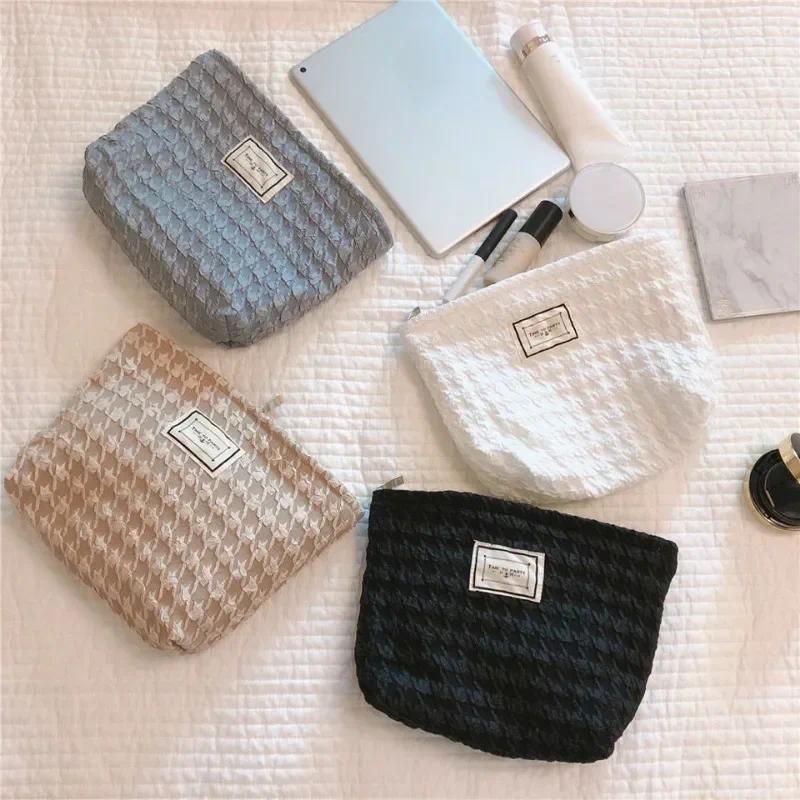
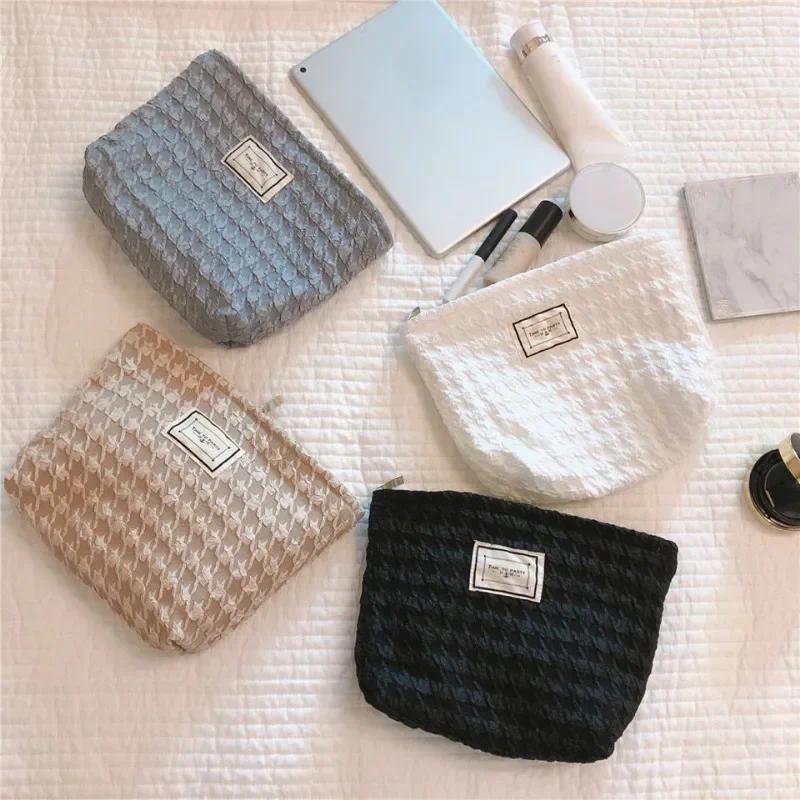
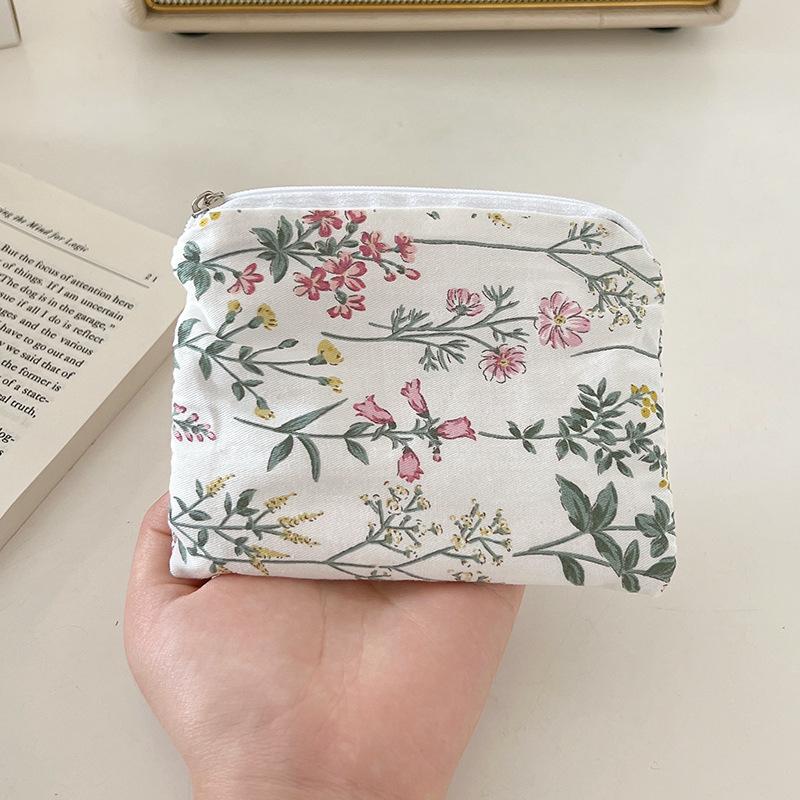
    This is a lightweight pink canvas clutch designed for makeup and small essentials. It suits renters or small-apartment dwellers who need a soft, compressible bag that tucks into tight spaces without adding bulk. It is not rigid, so it conforms to available gaps.

    What to look for

    Soft Construction

    Confirm the fabric is unstructured canvas rather than stiff vinyl. Soft materials compress when empty, allowing the pouch to slide into gaps where a rigid case would get stuck. Check for internal dividers that might prevent full flattening.

    Zipper Clearance

    Measure the width of the zipper pull and slider. In tight drawers, bulky hardware can prevent the bag from closing flush against the wall. Ensure the zipper sits flat when closed to maximize usable vertical space in your storage unit.

    Base Stability

    Determine if the bottom is reinforced or flexible. A flexible base allows the bag to lie flat in shallow shelves. If you need it to stand upright in a narrow niche, verify it has a stable, non-slip base to prevent tipping.

    How to use it

    Vanity Drawer Organization

    Place the pouch in a standard drawer to keep brushes and tools contained. Because it is soft, you can slide it next to other items without creating dead space. It acts as a single unit for quick access.

    Under-Desk Storage

    Tuck the pouch into the side gap of a desk if it is narrow enough. It holds daily essentials like phone and keys, keeping the desk surface clear. Measure the gap width before purchasing to ensure a snug fit.

    Travel Tote Insert

    Use it as a removable insert within a larger travel bag. This prevents items from scattering and allows you to quickly grab the pouch without unpacking the entire bag. It saves time when moving between rooms or locations.

    Product photos

    Small Pink Canvas Makeup Pouch Exact Dimensions for Tight Storage — view 1

    Small Pink Canvas Makeup Pouch Exact Dimensions for Tight Storage — view 2

    At a glance

    Material Pink canvas with flower print
    Typical size Varies by size; typically compact clutch dimensions
    Best for Small essentials, makeup, and daily carry items
    Where it fits closet, pantry, or under-desk storage

    Frequently asked questions

    Will this pouch fit in a standard bedside drawer?

    Yes, if the drawer is at least the pouch’s length and depth. Since canvas is flexible, it can be compressed slightly. Measure your drawer interior and compare it to the product dimensions listed. Avoid assuming it fits if the gap is less than one inch.

    Is the canvas material water-resistant for bathroom storage?

    No, standard canvas is not water-resistant. Do not store it directly on a wet bathroom counter or in a steamy shower area. Wipe spills immediately. For damp environments, consider lining the pouch with a small plastic bag to protect the fabric from moisture damage.

    Can I use this as a phone case?

    It can hold a phone, but it is not a dedicated phone case. The fabric is soft and lacks rigid protection against drops. Use it to keep a phone organized with other small items. If you need shock protection, keep the phone in its own hard case inside the pouch.

    Verdict

    Buy this if you need a soft, compressible bag for small items in tight spaces. Avoid it if you require rigid structure or heavy-duty protection. Ideal for renters who need flexible storage solutions without adding bulk to their limited footprint.

    Product: Small Pink Canvas Makeup Pouch: Exact Dimensions for Tight Storage
    Small Pink Canvas Makeup Pouch: Exact Dimensions for Tight S

    View this product on TikTok Shop

    Listing: https://shop.tiktok.com/view/product/1729566869077329645

    Related guides

    {“@context”: “https://schema.org”, “@graph”: [{“@type”: “Article”, “headline”: “Small Pink Canvas Makeup Pouch: Exact Dimensions for Tight Storage”, “description”: “Measure this pink canvas cosmetic pouch before buying. Check if its compact size fits your narrow drawer or under-desk space. Ideal for small apartment organiza”, “inLanguage”: “en”, “author”: {“@type”: “Organization”, “name”: “misunshine.store”}}, {“@type”: “FAQPage”, “mainEntity”: [{“@type”: “Question”, “name”: “Will this pouch fit in a standard bedside drawer?”, “acceptedAnswer”: {“@type”: “Answer”, “text”: “Yes, if the drawer is at least the pouch’s length and depth. Since canvas is flexible, it can be compressed slightly. Measure your drawer interior and compare it to the product dimensions listed. Avoid assuming it fits if the gap is less than one inch.”}}, {“@type”: “Question”, “name”: “Is the canvas material water-resistant for bathroom storage?”, “acceptedAnswer”: {“@type”: “Answer”, “text”: “No, standard canvas is not water-resistant. Do not store it directly on a wet bathroom counter or in a steamy shower area. Wipe spills immediately. For damp environments, consider lining the pouch with a small plastic bag to protect the fabric from moisture damage.”}}, {“@type”: “Question”, “name”: “Can I use this as a phone case?”, “acceptedAnswer”: {“@type”: “Answer”, “text”: “It can hold a phone, but it is not a dedicated phone case. The fabric is soft and lacks rigid protection against drops. Use it to keep a phone organized with other small items. If you need shock protection, keep the phone in its own hard case inside the pouch.”}}]}, {“@type”: “Product”, “name”: “Small Pink Canvas Makeup Pouch: Exact Dimensions for Tight Storage”, “description”: “This is a lightweight pink canvas clutch designed for makeup and small essentials. It suits renters or small-apartment dwellers who need a soft, compressible bag that tucks into tight spaces without adding bulk. It is not rigid, so it conforms to available gaps.”, “image”: “https://p16-oec-va.ibyteimg.com/tos-maliva-i-o3syd03w52-us/69542af0d7c248f2884769d7d95c797c~tplv-o3syd03w52-origin-jpeg.jpeg?dr=15568&from=520841845&idc=my&ps=933b5bde&shcp=2c1af732&shp=1f0b6a75&t=555f072d”, “offers”: {“@type”: “Offer”, “availability”: “https://schema.org/InStock”}}]}
  • Measure Before Buying: Exact Fit for Small Canvas Coin Purse

    Measure Before Buying: Exact Fit for Small Canvas Coin Purse

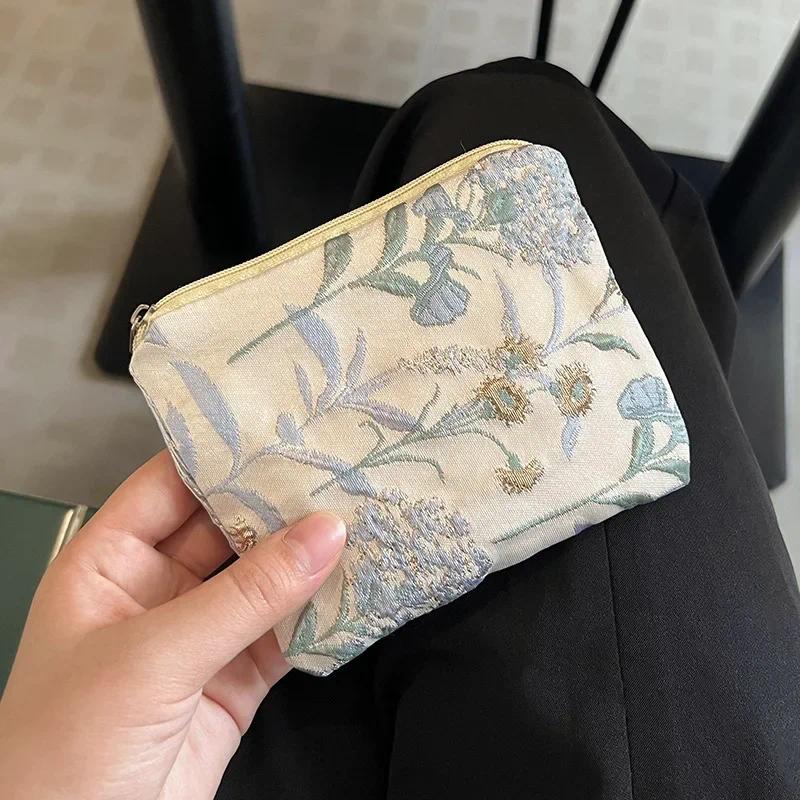
    This is a compact, square-shaped canvas coin purse designed for holding small essentials like coins and cards. It suits individuals living in small spaces who need a durable, flat item that tucks easily into drawers or bags without taking up unnecessary volume.

    What to look for

    Material Thickness

    Check if the canvas is heavy or thin. Thick canvas adds bulk, so measure your storage slot depth accordingly. Thin canvas collapses flat but may lack structure.

    Square Geometry

    Measure both length and width since it is square. Ensure the width fits your drawer or pocket. Corners may catch on tight zippers or edges.

    Closure Type

    Determine if it uses a zipper or snap. Zippers add width at the top edge. Measure the fully closed height to ensure it sits flush in your space.

    Empty Weight

    Lightweight canvas saves on bag load. Heavier materials add bulk to your daily carry. Compare the empty weight to your current small items.

    How to use it

    Desk Drawer Organization

    Tuck the purse into the corner of a desk drawer. Its square shape utilizes space that round items waste, keeping coins and small cards contained.

    Small Bag Liner

    Place it inside a small tote or crossbody bag. It acts as a dedicated pocket for coins and cards, preventing them from scattering at the bottom.

    Nightstand Storage

    Slide it into a narrow nightstand slot. The flat profile allows it to sit next to a phone without blocking access to other small items.

    Product photos

    Measure Before Buying Exact Fit for Small Canvas Coin Purse — view 1

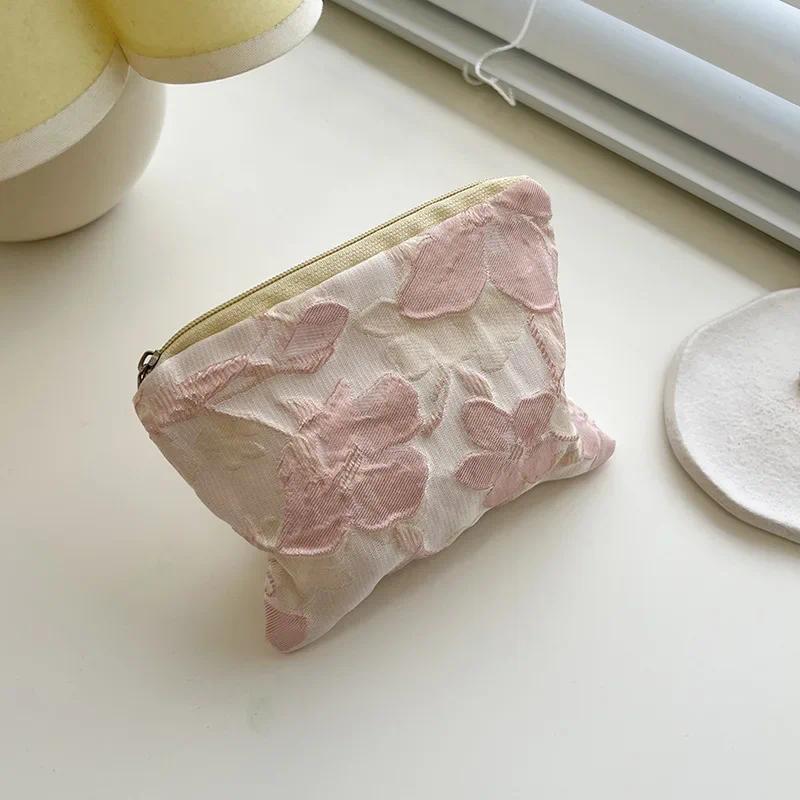
    Measure Before Buying Exact Fit for Small Canvas Coin Purse — view 2

    At a glance

    Material Canvas fabric with floral print
    Typical size Varies by size; check specific product measurements
    Best for Coins, cards, and small personal items
    Where it fits desk drawer, nightstand slot, or small bag pocket

    Frequently asked questions

    How much weight can this canvas purse hold?

    Canvas is durable but not rigid. It holds standard coin and card weight easily. Avoid overstuffing, as the fabric may stretch or tear at stress points. Use it for light daily essentials only.

    Will the floral pattern fade over time?

    Fading depends on sun exposure and washing. Store it in a dark drawer to preserve color. Wash by hand in cold water if possible. Avoid bleach to maintain the integrity of the print.

    Is this purse machine washable?

    Check the specific care label. Generally, canvas items can be machine washed on gentle. Remove any metal parts first. Air dry flat to prevent warping. Do not tumble dry to avoid shrinking.

    Verdict

    Buy if you need a flat, durable container for small items in tight spaces. Avoid if you need rigid structure for heavy contents or prefer non-canvas materials that do not fold.

    Product: Measure Before Buying: Exact Fit for Small Canvas Coin Purse

    Measure Before Buying: Exact Fit for Small Canvas Coin Purse

    View this product on TikTok Shop

    Listing: https://shop.tiktok.com/view/product/1729524331345512173

    Related guides

    {“@context”: “https://schema.org”, “@graph”: [{“@type”: “Article”, “headline”: “Measure Before Buying: Exact Fit for Small Canvas Coin Purse”, “description”: “Verify exact dimensions of this small canvas coin purse. Learn how to measure tight spots and check material thickness for efficient storage.”, “inLanguage”: “en”, “author”: {“@type”: “Organization”, “name”: “misunshine.store”}}, {“@type”: “FAQPage”, “mainEntity”: [{“@type”: “Question”, “name”: “How much weight can this canvas purse hold?”, “acceptedAnswer”: {“@type”: “Answer”, “text”: “Canvas is durable but not rigid. It holds standard coin and card weight easily. Avoid overstuffing, as the fabric may stretch or tear at stress points. Use it for light daily essentials only.”}}, {“@type”: “Question”, “name”: “Will the floral pattern fade over time?”, “acceptedAnswer”: {“@type”: “Answer”, “text”: “Fading depends on sun exposure and washing. Store it in a dark drawer to preserve color. Wash by hand in cold water if possible. Avoid bleach to maintain the integrity of the print.”}}, {“@type”: “Question”, “name”: “Is this purse machine washable?”, “acceptedAnswer”: {“@type”: “Answer”, “text”: “Check the specific care label. Generally, canvas items can be machine washed on gentle. Remove any metal parts first. Air dry flat to prevent warping. Do not tumble dry to avoid shrinking.”}}]}, {“@type”: “Product”, “name”: “Measure Before Buying: Exact Fit for Small Canvas Coin Purse”, “description”: “This is a compact, square-shaped canvas coin purse designed for holding small essentials like coins and cards. It suits individuals living in small spaces who need a durable, flat item that tucks easily into drawers or bags without taking up unnecessary volume.”, “image”: “https://p16-oec-va.ibyteimg.com/tos-maliva-i-o3syd03w52-us/4fddf06f2f1e4c068cd44aa35ac170b1~tplv-o3syd03w52-origin-jpeg.jpeg?dr=15568&from=520841845&idc=my2&ps=933b5bde&shcp=2c1af732&shp=1f0b6a75&t=555f072d”, “offers”: {“@type”: “Offer”, “availability”: “https://schema.org/InStock”}}]}
  • **Mental Health Tech Goes Mainstream in the Workplace** (52 characters — under the 70-char limit an

    **Mental Health Tech Goes Mainstream in the Workplace**

    TL;DR: Enterprise mental health platforms have transitioned from niche benefits to core productivity infrastructure, integrating directly with HR systems. This shift is driven by measurable ROI in reduced absenteeism and AI-driven, privacy-first diagnostic tools that address the modern workforce’s acute burnout crisis.

    The Shift from Benefits to Infrastructure

    For years, employee assistance programs (EAPs) were viewed as reactive safety nets, utilized only in crisis moments. Today, the landscape has fundamentally changed. Major corporations are embedding mental health technology directly into their daily operational workflows. This is not merely about offering a hotline; it is about proactive, continuous support systems that monitor well-being metrics alongside performance data. The integration is seamless, often appearing as unobtrusive widgets within existing communication suites like Slack or Microsoft Teams, ensuring that seeking help is as easy as sending an email. This accessibility removes the stigma associated with traditional therapy, normalizing mental health checks as routine as fitness tracking.

    If you want to dig deeper, check out our guide on 10 Simple Lifestyle Habits That Boost Your Energy Daily.

    Technical Specifications and AI Integration

    The latest generation of these platforms relies heavily on machine learning and natural language processing (NLP). Current flagship solutions, such as those from Headspace for Work or Lyra Health, utilize advanced algorithms to personalize content delivery. These systems analyze user interaction patterns, session completion rates, and self-reported mood data to curate a dynamic library of resources. For instance, if an employee consistently reports high stress levels during quarterly planning cycles, the platform might automatically suggest specific cognitive behavioral therapy (CBT) modules or breathing exercises tailored to that specific trigger. Furthermore, privacy remains a paramount technical specification. Most enterprise-grade solutions now employ end-to-end encryption and zero-knowledge architectures, ensuring that individual health data is never shared with management or HR departments without explicit, granular consent. This technical rigor is critical for maintaining trust and complying with emerging global data privacy regulations.

    Industry Impact and Economic ROI

    The economic argument for mental health tech has moved from theoretical to empirical. Recent studies indicate that for every dollar invested in mental health technology, companies see a return of four to five dollars in increased productivity. This ROI is derived from several key factors: reduced absenteeism, lower healthcare costs, and decreased employee turnover. In high-stress industries like finance and tech, the impact is particularly pronounced. Companies report that employees who actively engage with these platforms show a 30% increase in retention rates. Moreover, the data generated by these platforms provides HR leaders with anonymized, aggregate insights into workforce well-being. This allows organizations to identify systemic issues, such as excessive workload in specific departments, and make strategic adjustments before they result in mass burnout. By treating mental health as a measurable component of organizational health, firms are not only improving individual outcomes but also strengthening their competitive advantage in a talent-scarce market. The mainstream adoption of this technology signifies a broader cultural shift where psychological capital is recognized as vital as physical and financial resources.

    FAQ

    Q: Is employee data shared with management?
    A: No, reputable platforms use zero-knowledge architectures and end-to-end encryption to ensure individual health data remains private and is never visible to employers.

    Q: How does AI personalize the user experience?
    A: Algorithms analyze user behavior, session engagement, and self-reported mood data to dynamically adjust recommendations and suggest targeted therapeutic resources.

    Q: What is the typical ROI for companies?
    A: Studies suggest a 4:1 to 5:1 return on investment, primarily driven by reduced absenteeism, lower healthcare expenses, and improved employee retention rates.

    Related Articles

  • Why Glazed Donuts Are Dominating the Dessert Trend

    TL;DR: Glazed donuts are dominating the dessert trend because their nostalgic comfort, photogenic simplicity, and low production cost align perfectly with current consumer demand for affordable, shareable indulgences. Social media virality and premium ingredient upgrades have transformed the humble glazed ring into a high-margin, culturally relevant menu staple.

    A Return to Simplicity

    After years of elaborate, over-the-top desserts, consumers are pivoting toward simplicity. According to market research firm Technomic, glazed donut menu mentions increased 18% year-over-year in 2024, while specialty donut launches grew just 6%. The global donut market, valued at approximately $14 billion in 2024, is projected to expand at a compound annual growth rate of 5.8% through 2030, with glazed variants capturing the largest share of unit sales. Operators are taking notice: glazed donuts require fewer ingredients, shorter prep times, and lower labor costs than filled or frosted alternatives, making them an attractive margin driver amid persistent food-cost inflation.

    If you want to dig deeper, check out our guide on CRISPR Longevity Clinics: Personalized Anti-Aging Care.

    Experts Point to Nostalgia and Social Reach

    “The glazed donut is the perfect storm of comfort and cool,” says Marisa Chen, a food industry analyst at Culinary Insights Group. “It photographs beautifully, it’s instantly recognizable, and it triggers nostalgia—three levers that drive both trial and repeat purchase.” Pastry consultant Daniel Okafor adds that the trend reflects a broader “quiet luxury” shift in food: “Guests want quality they can taste in a single bite. A flawless yeast donut with a thin, glossy glaze signals craft without shouting.” Social platforms amplify the effect—#glazeddonut content has accumulated billions of views, and limited-edition glaze flavors routinely sell out within hours of announcement.

    What’s Next for the Glaze Boom

    Industry watchers predict the trend will evolve rather than fade. Expect collaborations with beverage brands, boozy and botanical glazes aimed at evening dayparts, and “better-for-you” versions featuring reduced sugar and ancient grains. Technomic forecasts that glazed donuts will appear on 12% more menus by 2026, with QSR chains and convenience stores leading expansion. Retail packaged glazed donuts are also surging as grocers capitalize on impulse purchases.

    FAQ

    Q: Why are glazed donuts more popular than frosted or filled donuts right now?
    A: They offer nostalgic appeal, lower production costs, and a clean, photogenic look that performs well on social media—making them a high-margin, low-risk menu item.

    Q: How big is the glazed donut market opportunity?
    A: The global donut market is valued around $14 billion and is forecast to grow at roughly 5.8% annually through 2030, with glazed varieties holding the largest sales share.

    Q: Will the glazed donut trend last?
    A: Analysts expect it to evolve—through premium ingredients, beverage collaborations, and evening dayparts—rather than disappear, with menu penetration projected to rise 12% by 2026.

    Related Articles

  • **Personalized Longevity Protocols: The New Preventive Care** (57 chars)

    **Personalized Longevity Protocols: The New Preventive Care** (57 chars)

    TL;DR: Personalized longevity protocols use advanced biomarker data to create unique health strategies for every individual. This approach shifts healthcare from reactive treatment to proactive optimization of lifespan and vitality.

    The Shift to Precision Health

    The era of one-size-fits-all medical advice is rapidly ending. In its place, personalized longevity protocols are emerging as the gold standard for preventive care. By leveraging deep phenotyping, genomic sequencing, and real-time biometric monitoring, these systems allow individuals to understand their biological age rather than their chronological age. This precision enables targeted interventions that address specific vulnerabilities, such as metabolic inefficiencies or cellular stress markers, before they manifest as chronic disease. The result is not just longer life, but a significant increase in healthy years spent with full cognitive and physical capacity.

    If you want to dig deeper, check out our guide on 7 Viral TikTok Beauty Trends You Need to Try.

    Key Feature Highlights

    Modern longevity platforms offer a suite of tools designed for comprehensive self-optimization. First, multi-omic analysis provides a baseline of genetic predispositions and current epigenetic states. Second, continuous glucose monitoring and wearable integration offer real-time feedback on lifestyle impacts. Third, AI-driven dashboards translate complex data into actionable daily habits, including specific nutrition adjustments, sleep hygiene tweaks, and personalized exercise regimens. These features ensure that every decision is backed by scientific rigor rather than guesswork.

    Comparing Legacy Care vs. Personalized Protocols

    Traditional preventive care typically relies on annual physical exams and general guidelines that may not account for individual variability. In contrast, personalized protocols offer continuous, dynamic feedback loops. While legacy care might identify high cholesterol after years of accumulation, personalized systems detect subtle shifts in lipid profiles early, allowing for immediate dietary or supplemental corrections. Furthermore, traditional medicine often focuses on symptom management, whereas longevity protocols prioritize root-cause analysis and systemic resilience. This proactive stance significantly reduces the risk of acute health crises and lowers long-term healthcare costs.

    Take Action Today

    Investing in your biological future is the most valuable decision you can make. Do not wait for symptoms to appear before seeking intervention. Start your journey toward optimized health by scheduling a comprehensive biomarker assessment today. Embrace the data, adjust your habits, and secure your vitality for decades to come. Your health is too important to leave to chance; take control of your longevity now.

    FAQ

    Q: Is personalized longevity care expensive?
    A: While initial assessments have a cost, the investment is often offset by reduced long-term medical expenses and improved quality of life.

    Q: How often should I update my protocol?
    A: Most experts recommend a full re-assessment every six months to account for biological changes and lifestyle shifts.

    Q: Can I do this without a doctor?
    A: While self-tracking is possible, working with a longevity specialist ensures safety and proper interpretation of complex biomarker data.

    Related Articles

  • **Brain-Computer Interfaces: Seamless Neural Control Explained**

    **Brain-Computer Interfaces: Seamless Neural Control Explained**

    TL;DR: Brain-Computer Interfaces (BCIs) enable seamless neural control by translating electrical signals from the brain into digital commands, bypassing traditional motor pathways. This technology is rapidly evolving from medical necessity to a mainstream consumer tool, driven by significant advancements in signal processing and non-invasive sensor accuracy.

    Market Analysis

    The global BCI market is projected to reach approximately $3.4 billion by 2030, growing at a CAGR of over 15%. This growth is fueled by two primary sectors: healthcare and consumer technology. In healthcare, the demand is driven by the increasing number of patients with spinal cord injuries, stroke, and neurodegenerative diseases who require assistive devices. Regulatory approvals for invasive implants like the Neuralink prototype and Synchron’s Stentrode have opened new revenue streams. Simultaneously, the consumer segment is expanding rapidly. Companies are developing non-invasive headsets for gaming, productivity, and mental wellness, targeting the wellness tech market. The barrier to entry is high due to the need for specialized neural decoding algorithms, but the potential for data monetization and personalized AI integration makes it a lucrative space for venture capital.

    Strategy Insights

    For businesses entering this space, a hybrid strategy is often most effective. Focusing solely on invasive medical devices carries high regulatory risk and long development cycles. Conversely, consumer-only non-invasive devices face challenges with signal fidelity and user engagement. The winning strategy involves developing a modular platform that can scale from low-stakes consumer applications, such as focus tracking or meditation aids, to high-stakes medical interventions. This allows for continuous data collection and algorithm refinement without the immediate burden of FDA approval for critical care devices. Partnerships with academic institutions are crucial for staying at the forefront of neuroscience research. Furthermore, ethical data handling must be a core part of the brand identity. As BCIs collect highly sensitive neural data, transparency and robust cybersecurity are not just legal requirements but competitive differentiators that build user trust.

    Case Studies

    Consider the success of Kernel, which has developed a non-invasive BCI capable of detecting neural signals with unprecedented speed. Their focus on real-time data processing has attracted major corporate clients interested in cognitive performance metrics. Another notable example is NeuroPace, whose RNS System is one of the first FDA-approved closed-loop neuromodulation devices for drug-resistant epilepsy. NeuroPace’s strategy focused on rigorous clinical trials and clear clinical outcomes, establishing a gold standard for safety and efficacy. Their success highlights the importance of evidence-based marketing in the medical sector. On the consumer side, Emotiv’s Insight headset has gained traction in the software development community by allowing programmers to control code execution through brainwaves. This niche application demonstrates how BCIs can solve specific productivity problems, creating a sticky user base that may later transition to more advanced applications. These cases illustrate that success depends on clearly defining the target user and delivering tangible, measurable value.

    FAQ

    Q: Are brain-computer interfaces safe for long-term use?
    A: Safety varies by type. Non-invasive headsets are generally safe, while invasive implants carry surgical risks. However, modern devices are designed with biocompatible materials and extensive clinical monitoring to mitigate long-term health issues.

    If you want to dig deeper, check out our guide on Quantum Computing: Accelerating Complex Drug Discovery.

    Q: What is the difference between invasive and non-invasive BCIs?
    A: Invasive BCIs involve implanting electrodes directly into the brain for high-resolution signals, requiring surgery. Non-invasive BCIs use external sensors like EEG caps to read signals from the scalp, offering lower resolution but greater safety and convenience.

    Q: How soon will BCIs become widely available to the general public?
    A: Basic consumer models are already available, but advanced, high-fidelity BCIs for seamless control are expected to become widely accessible within the next five to ten years as costs decrease and accuracy improves.

    Related Articles

  • BCI Restores Speech: Breakthrough for Paralyzed Patients

    BCI Restores Speech: Breakthrough for Paralyzed Patients

    TL;DR: Brain-computer interfaces now decode neural signals to restore fluent speech for paralyzed patients with unprecedented clarity. This technological leap offers a profound new chapter in personal autonomy and human connection.

    In the quiet sanctuary of a modern neurology lab, the air hums with the promise of rediscovered voice. For individuals living with severe paralysis, the inability to speak is not merely a medical symptom; it is a profound isolation from the vibrant tapestry of human culture and daily life. The latest breakthroughs in brain-computer interfaces (BCIs) have shattered this silence, transforming the abstract concept of thought into tangible, audible words. This is not just a medical milestone; it is a cultural revolution in how we define communication and human dignity.

    If you want to dig deeper, check out our guide on AI Agents Shift From Demos to Daily Workflows.

    Imagine the personal growth that accompanies the return of one’s voice. For many, speech is the primary vehicle for humor, storytelling, and emotional intimacy. When a patient who has been silent for years suddenly orders a meal or shares a joke with family, the psychological impact is seismic. It reclaims agency. The technology allows the brain to bypass damaged peripheral nerves, sending signals directly to a decoder that translates neural patterns into synthesized speech. The accuracy is now so high that conversations feel natural, not robotic. This restoration bridges the gap between the internal self and the external world, allowing individuals to re-engage with the cultural rituals of dining, socializing, and creative expression that were previously out of reach.

    From a lifestyle perspective, this breakthrough invites us to reflect on the fragility of our communication channels. We often take the ability to speak for granted, viewing it as a simple biological function rather than a complex cultural tool. BCI technology highlights the intricate dance between thought and expression, reminding us that our words are the architecture of our relationships. For families and caregivers, the integration of this technology into daily life requires patience and adaptation, much like learning a new language. It shifts the dynamic from caretaker-patient to peer-peer, fostering a deeper emotional connection rooted in mutual understanding and shared experience. The journey back to voice is not just about hearing words; it is about witnessing the reawakening of a personality.

    This innovation also sparks broader conversations about accessibility and design. As these devices become more refined, they may influence how we design public spaces and digital interfaces, ensuring that communication is inclusive for all bodies and minds. The cultural narrative is shifting from one of limitation to one of possibility. We are moving toward a future where physical constraints do not dictate the boundaries of our social lives or our personal identities. The story of speech restoration is, ultimately, a story of resilience and the enduring human desire to be heard, understood, and connected.

    FAQ

    Q: How does the BCI actually translate thoughts into speech?
    A: Electrodes implanted in the motor cortex detect neural activity associated with attempted speech, which algorithms then decode into text and synthesized audio.

    Q: Is this technology available for everyone with paralysis?
    A: Currently, it is available through clinical trials and specific medical centers, primarily for patients with locked-in syndrome or severe motor neuron diseases.

    Q: What are the next steps for this technology’s development?
    A: Researchers aim to improve processing speed, reduce hardware size, and enhance the naturalness of the synthesized voice to make the experience more intuitive and seamless.

    Related Articles

  • How to Set Up a Raspberry Pi Web Server: Step-by-Step Tutorial

    TL;DR: Install Raspberry Pi OS on your Pi, connect it to your network, then install a web server like Apache or Nginx with a single terminal command. Configure port forwarding and firewall rules to make your site accessible, and keep the system updated for security.

    Step 1: Prepare Your Raspberry Pi

    Flash Raspberry Pi OS (Lite is ideal for servers) to a microSD card using Raspberry Pi Imager. In the imager’s advanced settings, enable SSH, set a username and password, and configure Wi-Fi if you’re not using Ethernet. Insert the card, boot the Pi, and connect via SSH with ssh pi@your-pi-ip.

    If you want to dig deeper, check out our guide on Hybrid-First Remote Work Policies: Slack and Teams Rule Chan.

    Step 2: Update the System

    Always start with a fresh update to patch security vulnerabilities. Run sudo apt update && sudo apt upgrade -y and reboot if the kernel was updated. This takes a few minutes but prevents many headaches later.

    Step 3: Choose and Install a Web Server

    For beginners, Apache is the easiest choice: sudo apt install apache2 -y. If you prefer a lighter, faster server, use Nginx: sudo apt install nginx -y. Both are well-documented and handle typical hobby or small-business sites with ease.

    Tip: Only run one web server at a time—Apache and Nginx compete for port 80, which causes confusing errors.

    Step 4: Verify the Server Works

    Open a browser on another device and navigate to your Pi’s IP address (find it with hostname -I). You should see the default Apache or Nginx welcome page. If not, check that the service is running: sudo systemctl status apache2 (or nginx).

    Step 5: Add Your Website Files

    Apache serves files from /var/www/html; Nginx uses the same path by default. Replace the default index.html with your own content. Set correct permissions with sudo chown -R www-data:www-data /var/www/html so the server can read your files.

    Step 6: Install PHP and a Database (Optional)

    For dynamic sites like WordPress, install PHP: sudo apt install php libapache2-mod-php -y (use php-fpm for Nginx). Add MariaDB with sudo apt install mariadb-server -y and run sudo mysql_secure_installation to lock it down.

    Step 7: Configure Firewall and Port Forwarding

    Enable the firewall: sudo ufw allow OpenSSH then sudo ufw allow 'Apache' (or 'Nginx Full'), and finally sudo ufw enable. To expose your site to the internet, forward port 80 (and 443 for HTTPS) on your router to the Pi’s local IP. Assign the Pi a static IP so forwarding never breaks.

    Tip: Never expose SSH (port 22) directly to the internet—use a VPN or key-based authentication instead.

    Step 8: Secure with HTTPS

    Install Certbot and obtain a free Let’s Encrypt certificate: sudo apt install certbot python3-certbot-apache -y, then sudo certbot --apache. Certbot auto-renews certificates, keeping your site trusted by browsers.

    FAQ

    Q: Can I host a website on a Raspberry Pi reliably?
    A: Yes, for low-traffic personal sites, blogs, and internal tools. A Pi handles modest traffic well,

    Related Articles

  • Why Sleep Is the New Fitness: Optimize Your Rest

    Why Sleep Is the New Fitness: Optimize Your Rest

    TL;DR: Sleep is not just a passive state of rest but an active physiological process that drives muscle recovery, cognitive clarity, and metabolic regulation. Prioritizing high-quality rest is as critical to long-term health and performance as any rigorous workout routine.

    The Biological Engine of Recovery

    For decades, the fitness industry has focused heavily on hypertrophy, cardio capacity, and nutritional precision. However, modern chronobiology reveals that the true engine of physical adaptation is sleep. During deep slow-wave sleep, the pituitary gland releases the majority of human growth hormone (HGH). This hormone is essential for tissue repair, muscle protein synthesis, and bone density maintenance. Without adequate deep sleep, the body remains in a catabolic state, breaking down muscle tissue rather than building it. Consequently, no amount of gym time can compensate for a chronic sleep deficit.

    If you want to dig deeper, check out our guide on **AI Agents Autonomously Handle Complex Enterprise Workflows.

    Beyond physical repair, sleep is the primary determinant of cognitive function. The glymphatic system, which clears metabolic waste products from the brain, is only active during sleep. Accumulation of these toxins, including beta-amyloid, is linked to neurodegenerative diseases. Furthermore, sleep deprivation significantly impairs executive function, reaction time, and emotional regulation. In a high-stress work environment, this cognitive fog can be as debilitating as physical exhaustion, making rest a vital component of professional performance.

    Metabolic Health and Hormonal Balance

    One of the most overlooked aspects of sleep hygiene is its profound impact on metabolism. Poor sleep disrupts the balance of two key hunger hormones: ghrelin and leptin. Studies show that after a single night of sleep restriction, ghrelin levels (which stimulate appetite) rise by 28%, while leptin levels (which signal satiety) drop by 18%. This hormonal shift drives cravings for high-carbohydrate, high-calorie foods, directly contributing to weight gain and insulin resistance. By prioritizing seven to nine hours of quality sleep, you naturally regulate your appetite and improve your body’s ability to process glucose, effectively turning your bed into a metabolic optimization tool.

    Practical Strategies for Better Rest

    Optimizing your rest requires a deliberate restructuring of your evening routine. First, establish a consistent sleep-wake cycle, even on weekends, to stabilize your circadian rhythm. Second, manage light exposure. Bright blue light from screens suppresses melatonin production, so it is advisable to use blue-light filters or avoid screens one to two hours before bed. Instead, engage in dimly lit, calming activities such as reading or gentle stretching.

    Temperature control is another critical factor. The body’s core temperature must drop by approximately one degree Fahrenheit to initiate sleep. Keeping your bedroom cool, ideally between 60 and 67 degrees Fahrenheit (15-19°C), facilitates this process. Finally, consider the power of a “wind-down” ritual. Engaging in mindfulness meditation or progressive muscle relaxation can lower cortisol levels, preparing the nervous system for rest. Treat your sleep schedule with the same rigor as your training plan. By viewing rest as a non-negotiable performance enhancer, you unlock a level of physical and mental resilience that exercise alone cannot achieve.

    FAQ

    Q: How much sleep is actually needed for optimal health?
    A: Most adults require between seven and nine hours of sleep per night to support cognitive function, physical recovery, and metabolic health. Individual needs vary slightly based on age and activity levels, but consistently getting less than seven hours is linked to significant health risks.

    Q: Can I make up for lost sleep on weekends?
    A: While weekend catch-up sleep can help restore some cognitive function, it does not fully reverse the metabolic and cardiovascular damage caused by chronic sleep deprivation. Consistency is key, so it is better to maintain a regular schedule throughout the week than to rely on “sleep debt” repayment.

    Q: Does caffeine affect sleep quality, even if I drink it in the morning?
    A: Yes

    Related Articles

  • Compact Card Holder Dimensions for Small Apartments

    Compact Card Holder Dimensions for Small Apartments

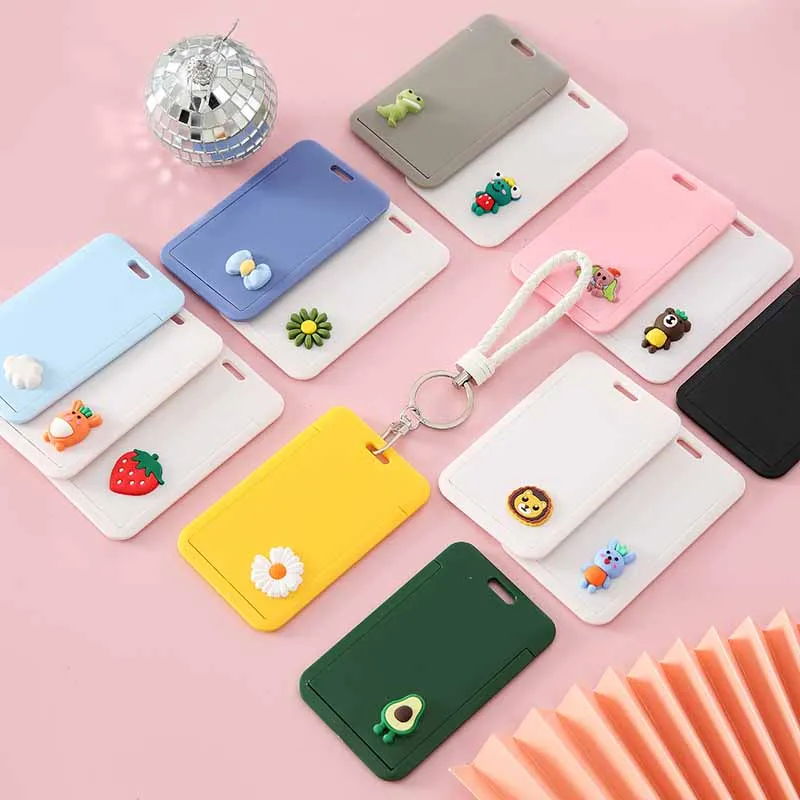
    This is a slim wallet designed to hold credit cards, IDs, and badges without bulk. It suits students, commuters, and professionals who need to carry essentials in small bags, pockets, or tight desk drawers where space is limited.

    What to look for

    Slim Profile

    Measure the thickness when full. Look for designs that stay under one inch to fit easily in small bags or deep pockets without bulging.

    Card Capacity

    Count the slots to ensure they match your daily needs. A typical holder fits four to eight cards plus cash, which is plenty for most urban commuters.

    Durable Material

    Select leather or reinforced synthetic materials. These hold their shape over time and resist wear from frequent handling in tight spaces.

    How to use it

    Desk Drawer Organization

    Place the holder in a shallow desk drawer where it sits flat without stacking. This keeps your ID and transit card visible and ready for quick grab-and-go.

    Commuter Bag Access

    Slip it into the smallest zippered pocket of your work bag. Its slim profile prevents it from shifting around while you move through crowded trains or offices.

    Product photos

    Compact Card Holder Dimensions for Small Apartments — view 1

    Compact Card Holder Dimensions for Small Apartments — view 2

    At a glance

    Material Leather or synthetic leather
    Typical size Slim, standard credit card width
    Best for Students and office workers
    Where it fits Shallow drawers, small bag pockets, or under-desk storage

    Frequently asked questions

    Will this fit in a small crossbody bag?

    Yes, if the bag has a slim profile. Measure the interior width of your bag pocket first. Most standard card holders are narrow enough to slide in without forcing the zipper, making them ideal for minimal urban carry.

    Is it better than a bulky wallet for small spaces?

    Absolutely. Bulky wallets take up significant vertical and horizontal space. A slim holder reduces volume, allowing you to pack more other essentials into small apartments or compact work bags without creating a cluttered mess.

    Can I store a transit pass in it?

    Yes, most designs include a clear window or open slot. This allows you to tap your transit pass without removing it, which is convenient for quick access at station turnstiles or office entry points.

    Verdict

    Buy this if you need a slim, organized way to carry essentials in tight spaces. Avoid it if you carry large amounts of cash or bulky receipts, as it lacks deep storage.

    Product: Compact Card Holder Dimensions for Small Apartments

    Compact Card Holder Dimensions for Small Apartments

    View this product on AliExpress

    Listing: https://www.aliexpress.com/item/1005003202318990.html

    Related guides

    {“@context”: “https://schema.org”, “@graph”: [{“@type”: “Article”, “headline”: “Compact Card Holder Dimensions for Small Apartments”, “description”: “Check exact card holder dimensions to fit small bags or pockets. Ideal for students and workers needing tight-space organization without bulk.”, “inLanguage”: “en”, “author”: {“@type”: “Organization”, “name”: “misunshine.store”}}, {“@type”: “FAQPage”, “mainEntity”: [{“@type”: “Question”, “name”: “Will this fit in a small crossbody bag?”, “acceptedAnswer”: {“@type”: “Answer”, “text”: “Yes, if the bag has a slim profile. Measure the interior width of your bag pocket first. Most standard card holders are narrow enough to slide in without forcing the zipper, making them ideal for minimal urban carry.”}}, {“@type”: “Question”, “name”: “Is it better than a bulky wallet for small spaces?”, “acceptedAnswer”: {“@type”: “Answer”, “text”: “Absolutely. Bulky wallets take up significant vertical and horizontal space. A slim holder reduces volume, allowing you to pack more other essentials into small apartments or compact work bags without creating a cluttered mess.”}}, {“@type”: “Question”, “name”: “Can I store a transit pass in it?”, “acceptedAnswer”: {“@type”: “Answer”, “text”: “Yes, most designs include a clear window or open slot. This allows you to tap your transit pass without removing it, which is convenient for quick access at station turnstiles or office entry points.”}}]}, {“@type”: “Product”, “name”: “Compact Card Holder Dimensions for Small Apartments”, “description”: “This is a slim wallet designed to hold credit cards, IDs, and badges without bulk. It suits students, commuters, and professionals who need to carry essentials in small bags, pockets, or tight desk drawers where space is limited.”, “image”: “https://ae-pic-a1.aliexpress-media.com/kf/S44aac829da2d42d48c73b801fb8e6a4eZ.jpg”, “offers”: {“@type”: “Offer”, “availability”: “https://schema.org/InStock”}}]}