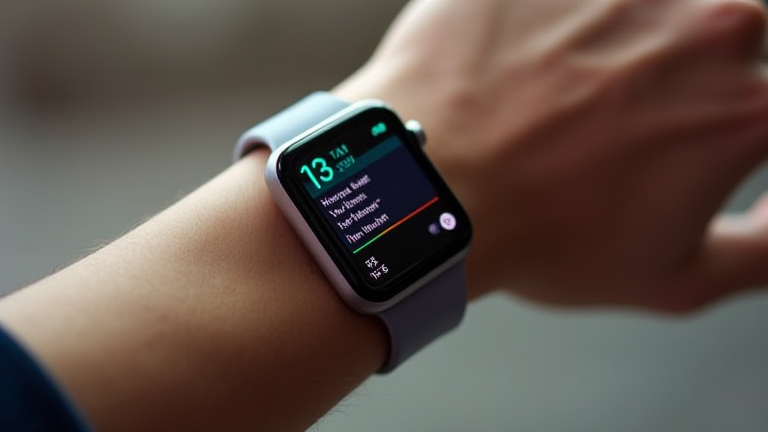
TL;DR: Your smartwatch isn’t just a step counter—it’s a clinical-grade window into your autonomic nervous system, recovery, and circadian rhythms. When interpreted correctly, metrics like heart rate variability (HRV), resting heart rate, and skin temperature can predict illness, optimize training, and improve sleep quality better than subjective “how do I feel” guesses.
1. Heart Rate Variability (HRV) — Your Stress Early-Warning System
HRV measures the time between heartbeats, not just the rate. High variability means your body is in a balanced, recovery-friendly state; low variability signals accumulated stress, poor sleep, or impending illness. Most people think stress is only mental—but your smartwatch picks up physiological stress 24–48 hours before you feel it. Check your morning HRV trend, not the daily number. A drop of 10–15% from your 7-day baseline is your cue to dial back workouts and prioritize sleep.
2. Resting Heart Rate (RHR) — A Fever Without a Thermometer
Your RHR naturally rises 3–5 beats per minute when your immune system is fighting an infection. If you see a sudden spike that lasts more than two days, you’re likely coming down with something, even before symptoms appear. Use this metric to decide whether to skip that HIIT class—your body is already working overtime.
3. Skin Temperature — Overtraining and Ovulation Clues
Smartwatches with temperature sensors track wrist skin temp, which reflects core body temperature changes. A persistent elevation of 0.5°F (0.3°C) for 3+ nights often indicates overtraining syndrome or a viral onset. For women, a sustained rise after ovulation confirms the luteal phase—useful for cycle-aware training and lifestyle adjustments.
4. Sleep Stages — Not Just “Hours” But Architecture
Most people check total sleep, but your watch tracks deep, REM, and light phases. Deep sleep is when physical recovery happens; REM is for emotional regulation and memory. If your deep sleep percentage drops below 15% for several nights, you’re not recovering—even if you’re in bed for 8 hours. Try reducing evening caffeine and keeping your bedroom at 65°F (18°C) to protect deep sleep.
5. Blood Oxygen (SpO2) — Silent Altitude and Breathing Issues
While 95–100% is normal, your watch can catch nocturnal drops below 90%, which may signal sleep apnea or poor breathing patterns. Even without sleep apnea, consistent SpO2 dips during meditation or rest can indicate shallow breathing. Use the data to practice slow nasal breathing (4-second inhale, 6-second exhale) before bed—your watch will show the improvement.
6. Respiratory Rate — The Underrated Vital Sign
Your normal breathing rate is 12–16 breaths per minute at rest. A sustained increase of 2+ breaths per minute over your baseline—with no exercise—is an early sign of stress, anxiety, or respiratory infection. Combine this with HRV to catch burnout before it hits.
7. Recovery Score (Composite) — Don’t Trust the Number, Trust the Components
Many watches give a “readiness” score (0–100). The magic isn’t the score itself—it’s the components. If your HRV is high but your sleep was short, the composite may say “moderate.” Instead, use the individual metrics to make decisions: high HRV + low RHR = go hard; low HRV + high RHR = go easy. Never let a single number dictate your day.
8. Step Count — Not All Steps Are Equal
Your watch counts steps, but it also calculates step intensity (via pace and heart rate). 10,000 slow steps won’t boost cardiovascular fitness as much as 6,000 brisk steps. Aim for at least 30 minutes of “zone 2” walking (where
Leave a Reply