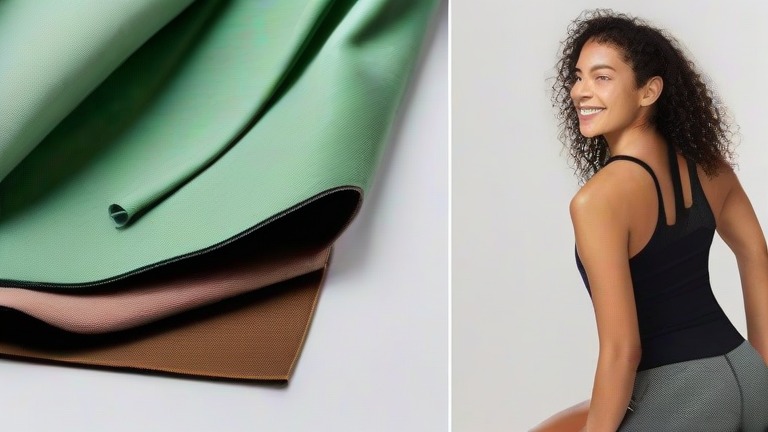
10 Trendy Sustainable Fabrics for Eco-Friendly Activewear Brands
TL;DR: The top ten sustainable fabrics for eco-friendly activewear include recycled polyester, organic cotton, Tencel, hemp, Piñatex, ECONYL, bamboo viscose, cork fiber, algae-based foam, and recycled nylon. These materials offer superior performance, durability, and environmental responsibility, meeting the rising consumer demand for transparent and planet-conscious apparel.
The activewear market is undergoing a radical transformation, driven by consumers who prioritize environmental impact alongside aesthetic and functional performance. According to a recent report by McKinsey & Company, the global sustainable fashion market is projected to reach $450 billion by 2030, with activewear emerging as a key growth sector. Brands that fail to adopt sustainable practices risk losing market share to competitors who offer credible, eco-friendly alternatives. To stay competitive, companies must move beyond greenwashing and integrate high-performance, low-impact materials into their core product lines. Here are ten fabrics leading this charge, each offering unique benefits for both the wearer and the planet.
If you want to dig deeper, check out our guide on Personalized CRISPR Health Plans at Longevity Clinics.
High-Performance Recycled and Organic Textiles
Recycled polyester remains a staple, reducing reliance on virgin petroleum-based plastics. However, the trend is shifting toward bio-based and circular materials. ECONYL, a regenerated nylon made from ocean waste, is gaining traction for its durability and softness. Tencel, derived from sustainably harvested eucalyptus trees, offers exceptional breathability and moisture-wicking properties, making it ideal for intense workouts. Organic cotton, while less common in high-intensity gear due to weight, is increasingly used in yoga and casual activewear for its comfort and non-toxic production process. Hemp is another standout, requiring significantly less water than conventional cotton and offering natural antimicrobial properties that reduce the need for chemical washing.
Innovative Bio-Materials and Future-Ready Solutions
Emerging materials like Piñatex, made from pineapple leaf fibers, provide a leather-like texture for accessories and outerwear, diverting agricultural waste from burning. Bamboo viscose, known for its softness and thermoregulating capabilities, is becoming a favorite for base layers. Cork fiber, harvested from cork oak trees without felling them, is being experimented with in shoe soles and bag components for its shock absorption and biodegradability. Algae-based foam is revolutionizing cushioning in footwear, offering a renewable alternative to petroleum-based EVA foam. Recycled nylon, similar to ECONYL, closes the loop on textile waste. Experts at Textile Exchange predict that by 2030, at least 40% of new activewear launches will feature at least one bio-based or circular material. This shift is not just a trend but a necessity, as regulatory pressures and consumer activism continue to accelerate. Brands that invest in these innovations now will build lasting brand loyalty and secure their place in the future of sustainable sportswear.
FAQ
Q: Are sustainable fabrics more expensive than traditional ones?
A: Initially, sustainable fabrics can carry a higher cost due to specialized processing and sourcing. However, economies of scale are improving, and many consumers are willing to pay a premium for ethical products, leading to healthier margins for brands that communicate value effectively.
Q: Do sustainable fabrics perform as well as synthetic materials?
A: Yes, many sustainable fabrics like recycled polyester, Tencel, and ECONYL offer comparable or even superior performance in terms of moisture-wicking, durability, and stretch. Innovations in material science have closed the performance gap, ensuring eco-friendly options meet rigorous athletic demands.
Q: How can brands verify the sustainability claims of their suppliers?
A: Brands should look for third-party certifications such as GOTS, GRS, Oeko-Tex, or Bluesign. These independent standards verify environmental and social criteria throughout the supply chain, ensuring authenticity and accountability in sustainable sourcing practices.
Leave a Reply