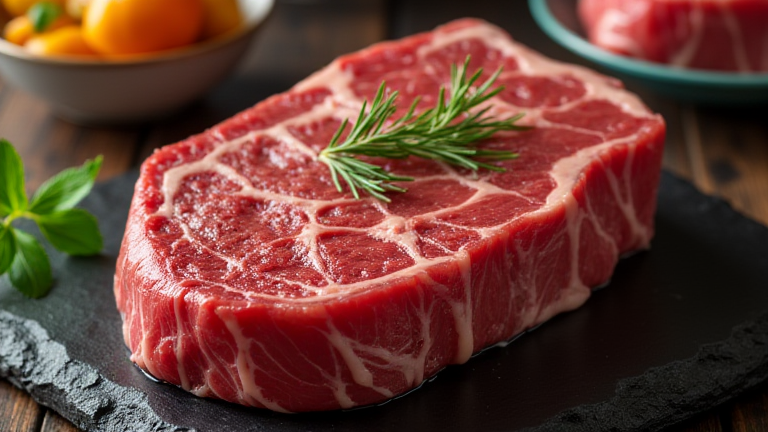
TL;DR: Rare steak retains more B-vitamins (especially B12) and heat-sensitive enzymes, while well-done steak has slightly fewer of these but is easier to digest and poses a lower food-safety risk. The protein content is nearly identical, but cooking method changes moisture and fat retention, not the core amino acid profile.
The Sizzle of Choice: A Culinary Crossroads
On a dusty trail in Patagonia, I watched a gaucho carve a ribeye straight off an open fire, the interior a deep, jewel-like crimson. He handed me a slice, and the irony wasn’t lost on me—I had spent years ordering my steaks “well-done” out of habit, not preference. That single bite, tender and mineral-rich, sparked a curiosity that turned into a personal nutrition quest. The difference between a rare and a well-cooked steak isn’t just about texture or bravado; it’s a subtle chemical story that unfolds on your plate.
If you want to dig deeper, check out our guide on Mystery AI Model Wows Devs: Who Made It?.
What the Heat Actually Changes
From a nutritional standpoint, the most significant loss in well-done meat is water-soluble vitamins. Thiamine (B1) and vitamin B12 are particularly sensitive to prolonged high heat. A rare steak retains nearly 100% of its B12, while a well-done version can lose up to 30-40% through drip and degradation. These vitamins are crucial for nerve function and red blood cell production. On the flip side, well-cooking breaks down collagen more completely, which makes the protein more bioavailable—your gut works less to extract the same amino acids. For someone with a sensitive stomach, that’s a win.
Fat, Moisture, and the Myth of “More Protein”
Here’s the cultural myth I had to unlearn: cooking longer doesn’t concentrate protein. In fact, well-done steaks lose more moisture (up to 25% of their weight), but that water isn’t protein. The actual protein content per 100 grams is nearly identical—about 25-27g—whether you cook it rare or until gray. What changes is fat: rare steak keeps more intramuscular fat intact, giving it a richer mouthfeel and slightly higher calorie count (around 10-15% more). Well-done steaks render out more fat, which some dieters prefer, but you sacrifice the juicy, buttery texture that makes steak a cultural centerpiece from Buenos Aires to Tokyo.
The Personal Growth Angle: Listening to Your Body
After that Patagonia trip, I started experimenting. I tried medium-rare, then rare, then back to medium. I learned that my digestion handled rare beef fine, but my partner—who has mild iron sensitivity—preferred well-done to avoid any GI discomfort. The real lesson wasn’t about “optimal” nutrition; it was about context. If you’re training hard and need quick B-vitamin absorption, rare wins. If you’re cooking for a pregnant friend or an elderly relative, well-done is the safe, ethical choice. Neither is “better” in a vacuum—only in relation to your body, your risk tolerance, and your cultural palate.
FAQ
Q: Does well-done steak have less iron than rare steak?
A: No. Heme iron is heat-stable, so the iron content remains nearly the same. However, well-done steak’s drier texture may slightly reduce how much you eat, but per bite, the iron is unchanged.
Q: Is rare steak ever nutritionally “safer” than well-done?
A: No—rare steak carries a higher risk of bacterial contamination (like E. coli or Salmonella) on the surface. The internal muscle is sterile, but if the meat is mechanically tenderized or ground, the risk increases. Well-done eliminates that surface risk entirely.
Q: Which cooking level is better for weight loss?
A: Well-done, because it renders out more fat, reducing calories by roughly 10-15% per serving.
Leave a Reply