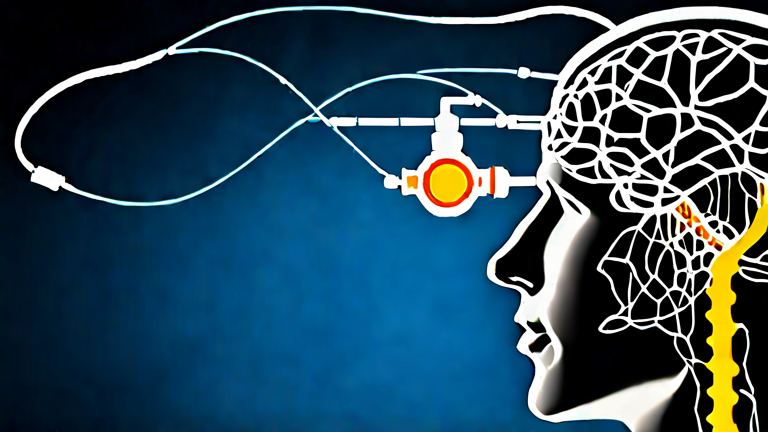
TL;DR: Non-invasive neural interfaces are finally becoming practical, using dry EEG, fNIRS, and ultrasound to read brain signals without surgery. They won’t match implanted electrodes for precision, but for consumer health, gaming, and accessibility, they’re the future of everyday BCI.
For years, brain-computer interfaces meant electrodes drilled into the cortex. That era isn’t over, but a quieter revolution is happening on the surface of your scalp. Non-invasive neural interfaces now capture meaningful signals through dry sensors, infrared light, and even focused sound waves—no surgery, no gel, no lab coat required.
If you want to dig deeper, check out our guide on Why eneloops are the Only Real BIFL Tech Item.
Feature Highlights
Today’s leading headsets pack dry EEG arrays with 8–64 channels, onboard AI for artifact rejection, and Bluetooth 5.3 latency under 20ms. fNIRS models add blood-oxygen mapping for emotion and fatigue detection. Ultrasound variants, still early, promise millimeter spatial resolution without skin contact. Most charge via USB-C and last 8–12 hours.
How They Compare
Against invasive BCIs like Neuralink, non-invasive devices lose on signal-to-noise ratio—roughly 10–100x weaker. But they win on safety, cost (often under $1,000 vs. $10,000+), and zero recovery time. Against older wet-electrode EEG, dry systems cut setup from 30 minutes to 90 seconds. For focus tracking, sleep staging, and basic cursor control, the gap is now small enough for daily use.
Who Should Buy
Biohackers, meditators, gamers with accessibility needs, and researchers running large-scale studies. If you need robotic-arm precision or speech decoding, wait for invasive tech. For everything else, non-invasive is ready.
Call to action: Try a dry-EEG headset for 30 days. If it doesn’t change how you train focus or sleep, return it. The future of BCI isn’t in your skull—it’s on your head.
FAQ
Q: Are non-invasive neural interfaces safe?
A: Yes. Dry EEG and fNIRS use passive sensors or low-power light, with no known risks beyond minor skin irritation.
Q: Can they read my thoughts?
A: No. They detect broad states like attention, relaxation, or motor intent—not specific words or private ideas.
Q: Do I need a prescription?
A: No. Consumer headsets are sold directly, though medical-grade versions may require a clinician for interpretation.
Leave a Reply