How to Choose the Best Wireless Earbuds for Daily Commutes
TL;DR: Prioritize robust noise cancellation and secure fit to combat urban chaos and motion. Opt for models with long battery life and multipoint connectivity to ensure seamless transitions between devices throughout your day.
Choosing the right wireless earbuds for a daily commute is less about chasing the latest audio trends and more about solving specific pain points. A commute involves unpredictable variables: loud trains, swaying buses, and the need to switch from navigation apps to podcasts instantly. Therefore, the ideal pair must balance isolation, stability, and reliability without breaking the bank. If you are commuting in a noisy environment, active noise cancellation (ANC) is not a luxury; it is a necessity. It allows you to listen at lower volumes, protecting your hearing while keeping you aware enough to hear station announcements if needed. However, transparency mode is equally vital for safety when crossing streets or interacting with friends.
If you want to dig deeper, check out our guide on AI Agents: Automating Complex Enterprise Workflows.
Key Features to Prioritize
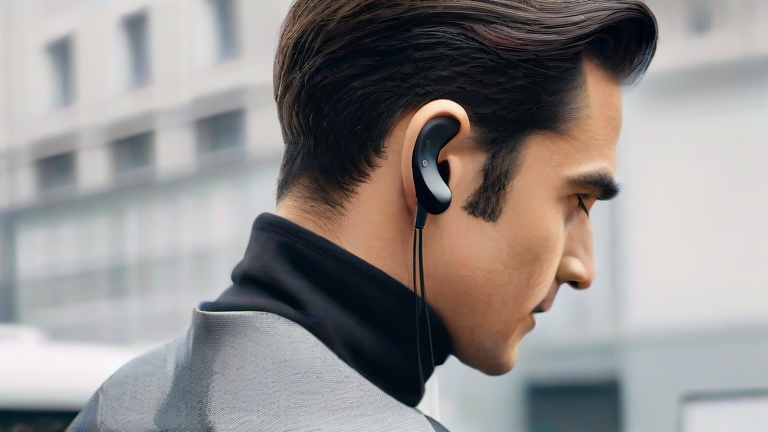
Fit is the cornerstone of a good commute experience. Earbuds that fall out during a sudden stop or a turn on the bus are useless. Look for models with multiple ear tip sizes or winged designs that lock into the ear canal securely. Stability ensures that you can focus on your audio content rather than adjusting your gear. Additionally, consider the charging case’s battery life. While individual earbud battery life is important, a case that provides three to four full recharges means you won’t need to carry a power bank. This is crucial for long commutes or days when you are away from a power outlet for extended periods.
Top Comparisons for Commuters
When comparing top contenders, the Sony WF-1000XM5 offers superior ANC and crystal-clear call quality, making it ideal for professionals who take calls on the go. Its multipoint connection allows switching between a laptop and smartphone effortlessly. On the other hand, the Apple AirPods Pro 2 reigns supreme in the iOS ecosystem. Its seamless integration with Siri and the “Hey Siri” feature allows hands-free control without touching your pocket. For Android users, the Samsung Galaxy Buds2 Pro provides excellent sound quality and features like wireless charging, ensuring a smooth experience across Samsung devices. While the Bose QuietComfort Earbuds are slightly heavier, they offer the best pure noise isolation, creating a bubble of silence that is perfect for focusing during a stressful workday.
Ultimately, the best choice depends on your phone ecosystem and personal comfort. Test the fit if possible, as no two ears are the same. Invest in a pair that feels like a natural extension of your routine, allowing you to zone out from the city and zone in on your music.
Call to Action
Ready to upgrade your daily routine? Check out our latest in-depth comparisons and user reviews to find the perfect match for your commute. Don’t let poor audio quality ruin your morning or evening. Visit our shop now to explore exclusive deals on top-rated wireless earbuds and transform your travel time into a peaceful escape.
FAQ
Q: Are wired earbuds better for commuting?
A: Wired earbuds offer lower latency and no battery anxiety, but they are prone to tangling and offer less convenience for switching devices. Wireless earbuds are generally preferred for their freedom of movement and modern features like ANC.
Q: How important is water resistance for daily commutes?
A: It is highly important. Commuters often encounter rain or sweat. Look for at least an IPX4 rating to ensure protection against splashes and sweat, extending the lifespan of your earbuds in various weather conditions.
Q: Can I trust the battery life claims?
A: Battery life varies based on volume and ANC usage. Most premium earbuds last 5-8 hours with ANC on. Always check real-world user reviews, as advertised times are often tested under ideal, low-volume conditions without active features.
Leave a Reply