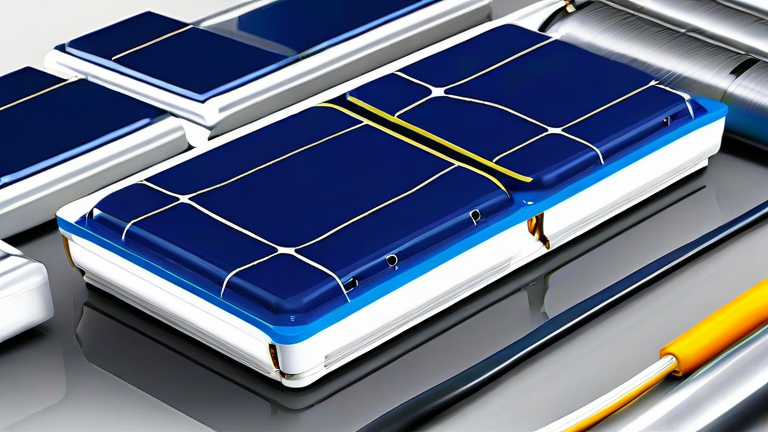
TL;DR: Solid-state batteries are entering mass production for consumer EVs, with pilot lines from Toyota, Nissan, and QuantumScape targeting 2027–2028 commercial launches. Scaling challenges around sulfide electrolytes, lithium-metal anodes, and manufacturing yield mean the first mass-market wins will likely come from premium segments before cascading to affordable models.
Market Analysis: From Lab to Line
The solid-state battery market is projected to exceed $8 billion by 2030, according to industry forecasts, driven by consumer EV demand for longer range, faster charging, and improved safety. Asia dominates early production capacity: Toyota has committed over $13 billion to battery development, including solid-state pilot lines in Japan, while Nissan operates a Yokohama pilot facility targeting 2028 commercialization. In Europe, Volkswagen-backed QuantumScape and Northvolt are racing to industrialize sulfide-based cells, and Chinese players such as CATL and WeLion are pursuing semi-solid and all-solid-state variants simultaneously. Analysts expect initial solid-state cells to command a 20–40% cost premium over today’s lithium-ion packs, limiting early adoption to premium vehicles before economies of scale emerge after 2030.
If you want to dig deeper, check out our guide on Continuous Glucose Monitors Go Mainstream: What You Need to .
Strategy Insights: Winning the Industrialization Race
Success in solid-state mass production hinges on three strategic levers. First, manufacturing yield: sulfide electrolytes are moisture-sensitive, requiring dry-room production at scale—a capital-intensive capability few players have mastered. Second, supply chain control: securing lithium-metal foil and solid electrolyte precursors early locks in cost advantages. Third, phased commercialization: launching semi-solid batteries first (as NIO and WeLion have done) generates real-world data and revenue while all-solid-state technology matures. Automakers that vertically integrate cell production—following Tesla’s playbook—are best positioned to absorb early losses and iterate quickly. Partnerships between OEMs and battery specialists, such as the Toyota–Idemitsu collaboration on sulfide electrolytes, spread risk and accelerate timelines.
Case Studies: Early Movers in Practice
NIO’s 150 kWh semi-solid pack, supplied by WeLion, entered limited production in 2024, offering over 1,000 km of range in China—demonstrating that incremental solid-state chemistry can reach customers today. QuantumScape’s QSE-5 cells, validated by Volkswagen’s PowerCo, target 2026–2027 production with ceramic separators and lithium-metal anodes, though scale-up remains unproven. Toyota’s partnership with Idemitsu aims for 2027–2028 all-solid-state EVs, focusing first on hybrids and premium models to manage cost. These cases reveal a common pattern: early volumes will be small, premium-priced, and heavily subsidized by OEM strategy budgets—not consumer economics—until yield and scale improve.
FAQ
Q: When will solid-state batteries be available in affordable consumer EVs?
A: Most analysts expect mainstream affordability after 2030, once manufacturing yields improve and costs fall below $100/kWh; premium EVs will see them first around 2027–2028.
Q: What is the biggest barrier to mass production?
A: Manufacturing yield—particularly handling moisture-sensitive sulfide electrolytes and lithium-metal anodes at scale—remains the primary bottleneck, alongside cost and durability validation.
Q: Will solid-state batteries replace lithium-ion entirely?
A: No; semi-solid and advanced lithium-ion chemistries will coexist for years, with solid-state initially complementing rather than replacing conventional packs in most vehicle segments.
Leave a Reply