
Neurofeedback Devices for Focus: Why They’re Gaining Popularity
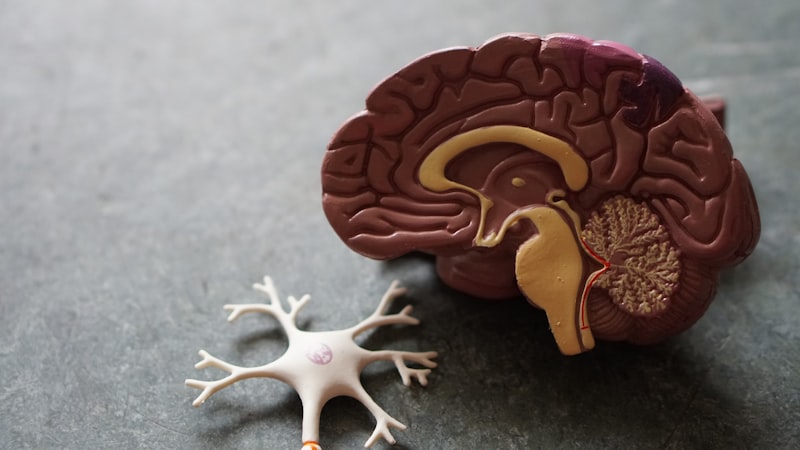
In recent years, the landscape of personal cognitive enhancement has shifted dramatically. We have moved from simple meditation apps to sophisticated biofeedback technology. At the forefront of this revolution are neurofeedback devices, which are gaining significant traction among students, professionals, and individuals managing attention disorders. But why is there such a surge in interest? The answer lies in the convergence of accessible consumer technology and robust scientific validation of brain-training methodologies.
Neurofeedback, also known as EEG biofeedback, is a non-invasive technique that teaches self-regulation of brain function. By monitoring brainwaves in real-time, these devices provide immediate audio or visual feedback. If your brain enters a state of focused calm, the feedback might be pleasant; if it drifts into distraction, the feedback changes. This operant conditioning helps the brain learn to maintain optimal states for concentration. Unlike pharmaceutical interventions, which can have side effects, neurofeedback is drug-free and empowers users to take an active role in their cognitive health.
The popularity of these devices is largely driven by their accessibility. Early versions were bulky, expensive, and required clinical supervision. Today, sleek, wearable headbands like the Muse or NeuroSky connect seamlessly to smartphones, making professional-grade brain training available at home. This democratization of technology has allowed everyday people to experiment with focus enhancement without leaving their living rooms.
However, science-backed advice suggests that while the technology is promising, it is not a magic bullet. Research indicates that neurofeedback is most effective when used as part of a comprehensive wellness strategy. A study published in the *Journal of Attention Disorders* found that consistent neurofeedback practice could significantly improve attention span and reduce impulsivity in adults with ADHD. The key lies in consistency. Just as physical exercise requires regular repetition to build muscle, neural pathways require repeated activation to strengthen. Users who engage in short, daily sessions often see better long-term results than those who attempt marathon sessions sporadically.
To maximize
Leave a Reply