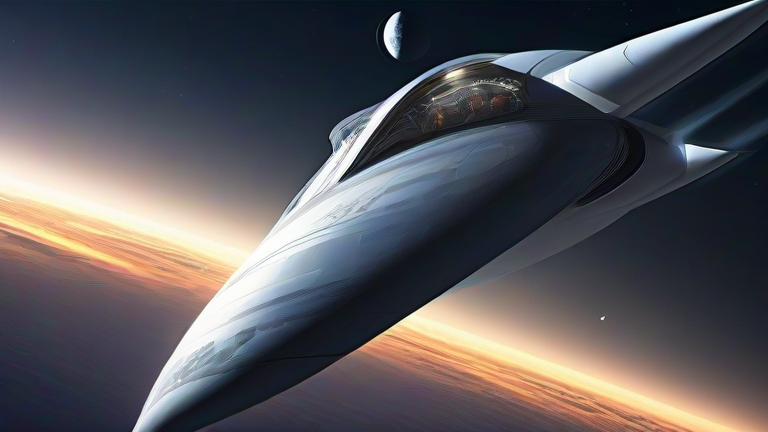
Space Tourism: Low-Earth Orbit Trips You Can Book Now

The era of space tourism is no longer a distant sci-fi fantasy; it is a tangible reality accessible to a select few. Low-Earth Orbit (LEO) trips, once the exclusive domain of government astronauts, are now available through private commercial enterprises. This shift marks a pivotal moment in aerospace history, democratizing access to the cosmos and redefining the boundaries of human exploration.
The primary players in this burgeoning industry are SpaceX and Blue Origin, each offering distinct experiences. SpaceX’s Crew Dragon, launched atop the Falcon 9 rocket, provides a full orbital flight. Passengers spend approximately three days in space, circling the Earth every 90 minutes. This experience offers breathtaking views of the planet’s curvature, the aurora borealis, and the stark contrast of day and night. In contrast, Blue Origin’s New Shepard offers a suborbital hop. While it reaches the edge of space at 100 kilometers, it does not complete an orbit. The journey lasts about ten minutes, providing roughly three to four minutes of weightlessness. This shorter duration makes it a more accessible entry point for those seeking a taste of microgravity without the commitment of a multi-day orbital mission.
From a technical perspective, these vehicles represent marvels of modern engineering. The Crew Dragon features advanced autopilot systems and life-support mechanisms capable of sustaining life for weeks, though current tourism missions are shorter. Its sleek, minimalist interior emphasizes comfort and safety, with large windows designed to maximize the visual experience. The New Shepard, meanwhile, boasts a reusable design that significantly lowers the cost per launch. Both companies prioritize safety through rigorous testing and redundant systems, ensuring that civilian passengers are protected by the same standards applied to professional astronauts.
The industry impact of commercial spaceflight extends beyond tourism. It drives innovation in materials science, life support technologies, and propulsion systems. As private companies compete for market share, costs are expected to decrease, potentially making space travel more affordable in the coming decades. This competition also accelerates technological advancements that benefit other sectors, such as telecommunications and Earth observation. Furthermore, the visibility of space tourism inspires a new generation of scientists
Leave a Reply