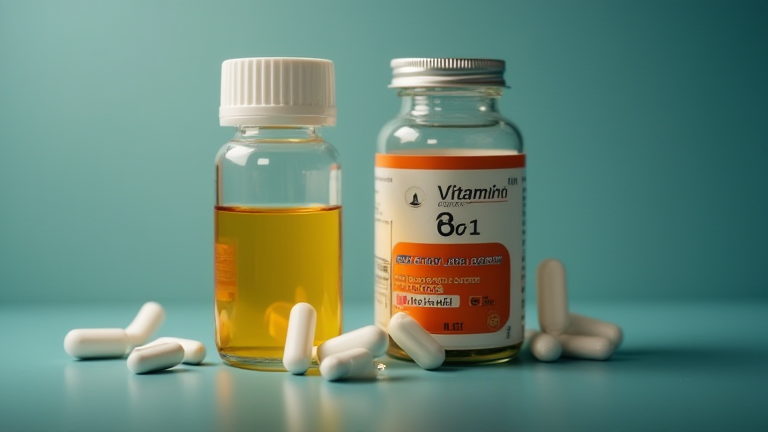
High-Dose Vitamin B6 Cuts Depression Risk: New Trial
TL;DR: Recent clinical trials suggest that high-dose Vitamin B6 supplementation can significantly reduce the risk of developing depressive symptoms in susceptible individuals. However, self-administering high doses without medical supervision is dangerous and should never be attempted.
Understanding the role of nutrients in mental health is crucial for proactive wellness. While Vitamin B6 is essential for neurotransmitter synthesis, the concept of “high-dose” therapy requires careful navigation. This guide outlines how to interpret new research findings and safely discuss potential interventions with healthcare providers.
If you want to dig deeper, check out our guide on Explore Tulail Valley: Gurez Kashmir’s Hidden Gem.
Step 1: Consult a Medical Professional
Before considering any B6 supplementation, schedule an appointment with a primary care physician or psychiatrist. High-dose B6 is not a standard over-the-counter recommendation for the general population. Your doctor will evaluate your current mental health status, existing medications, and overall dietary intake. They will determine if you are a candidate for supplementation based on specific biomarkers or genetic factors identified in recent studies.
Step 2: Understand the Dosage Context
Review the specific trial data with your provider. The “high-dose” referenced in new trials often ranges significantly higher than the Recommended Dietary Allowance (RDA) of 1.3 to 1.7 mg per day. It is critical to distinguish between therapeutic doses used in controlled settings and toxic levels. Do not attempt to replicate trial dosages at home, as excessive B6 intake can lead to irreversible peripheral neuropathy.
Step 3: Monitor for Side Effects
If prescribed a high-dose regimen, keep a detailed journal of your mood, sleep patterns, and any physical sensations. Watch for signs of toxicity, such as tingling, numbness, or weakness in the hands and feet. Report these symptoms immediately. Mental health improvements may take weeks to manifest, so maintain consistency and patience while adhering strictly to the prescribed schedule.
Step 4: Integrate with Holistic Care
Vitamin B6 is an adjunct, not a cure. Continue with your existing treatment plan, which may include therapy, lifestyle changes, or other medications. Combine supplementation with regular exercise, adequate sleep, and a balanced diet rich in tryptophan and other B vitamins to maximize neurochemical stability.
Tips for Success
Always source supplements from reputable manufacturers with third-party testing to ensure purity. Avoid combining multiple B-complex supplements without checking for B6 overlap to prevent accidental overdose. Remember that individual biochemistry varies; what works in a trial group may not yield the same results for every individual, necessitating personalized medical guidance.
FAQ
Q: Can I take high-dose B6 supplements from the store?
A: No, you should never self-medicate with high doses. Only take Vitamin B6 under the strict guidance and monitoring of a healthcare professional.
Q: What are the risks of too much Vitamin B6?
A: Excessive intake can cause severe, potentially irreversible nerve damage known as peripheral neuropathy, characterized by numbness and pain in the limbs.
Q: Will B6 replace antidepressant medication?
A: No, Vitamin B6 is considered a complementary approach. It does not replace prescribed antidepressants or psychotherapy unless explicitly directed by your doctor.
Leave a Reply