Daily Iron Intake: How Tiny Absorption Rates Affect Your Needs
TL;DR: Only 2-20% of dietary iron is absorbed by the body, depending on source and digestive conditions, meaning you must consume significantly more than the minimum requirement to maintain healthy levels. Enhancing absorption with vitamin C while minimizing inhibitors like tannins is crucial for meeting your daily needs effectively.
The Reality of Iron Absorption
Iron is a vital mineral essential for oxygen transport and energy production, yet the human body is remarkably inefficient at absorbing it. Unlike other nutrients that may have higher bioavailability, iron faces significant hurdles within the digestive tract. On average, the body absorbs only about 20% of heme iron found in animal products and just 2-5% of non-heme iron found in plant sources. This stark difference explains why vegetarians and vegans often require higher total intake recommendations compared to omnivores. Furthermore, physiological factors such as menstrual blood loss, pregnancy, and gastrointestinal issues can alter absorption rates, making a one-size-fits-all approach ineffective for long-term health.
If you want to dig deeper, check out our guide on High-Dose Vitamin B6 Cuts Depression Risk: New Trial.
Factors That Influence Bioavailability
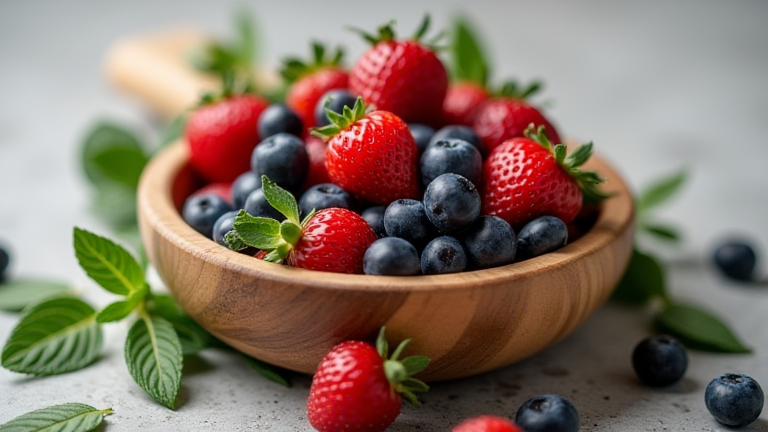
Several dietary components act as modulators for iron absorption. The most potent enhancer is ascorbic acid, commonly known as vitamin C. Consuming iron-rich foods alongside citrus fruits, bell peppers, or strawberries can increase non-heme iron absorption by up to three times. Conversely, certain compounds can inhibit absorption significantly. Polyphenols found in tea, coffee, and red wine bind to iron, preventing it from entering the bloodstream. Calcium, while essential for bone health, also competes with iron for absorption sites in the intestine. Therefore, timing your consumption matters; drinking tea with meals rather than between them can reduce iron uptake by half. Additionally, phytates in whole grains and legumes can chelate iron, although soaking and fermentation processes can mitigate this effect.
Practical Lifestyle Strategies
To optimize your iron status without relying solely on supplements, adopt strategic eating habits. Pair red meat, poultry, or fish with vitamin C-rich sides to maximize heme iron uptake. For plant-based diets, combine legumes with acidic ingredients like tomatoes or lemon juice during cooking. Avoid consuming calcium-rich dairy products or supplements at the same time as iron-rich meals; instead, space them out by at least two hours. Regularly monitor your hemoglobin levels through blood tests, especially if you are at higher risk for deficiency, such as during pregnancy or if you experience unexplained fatigue. Remember that chronic inflammation or gastrointestinal disorders like celiac disease can further impair absorption, necessitating medical consultation rather than just dietary adjustment.
Understanding Your Specific Needs
Individual iron requirements vary based on age, sex, and life stage. Adult men generally need about 8 mg of iron per day, while premenopausal women require 18 mg due to menstrual losses. Pregnant women need up to 27 mg daily. However, these figures represent the amount that must be absorbed, not necessarily the amount consumed. Given the low absorption rates, a woman needing 18 mg of absorbed iron might need to consume 50-80 mg of dietary iron to meet that threshold. It is critical to avoid excessive supplementation unless prescribed by a healthcare provider, as iron overload can lead to oxidative stress and organ damage. Balance is key; listen to your body’s signals and consult a professional to tailor your intake to your unique physiological profile.
FAQ
Q: Should I take iron supplements even if I eat iron-rich foods?
A: No, supplements are only recommended if blood tests confirm deficiency or if you have specific medical conditions affecting absorption, as excess iron can be toxic.
Q: Does cooking method affect iron absorption from plant foods?
A: Yes, methods that reduce phytate content, such as soaking beans or adding acidic ingredients like tomato sauce to lentils, can significantly improve iron bioavailability.
Q: Can I drink coffee immediately after an iron-rich meal?
A: It is
Leave a Reply