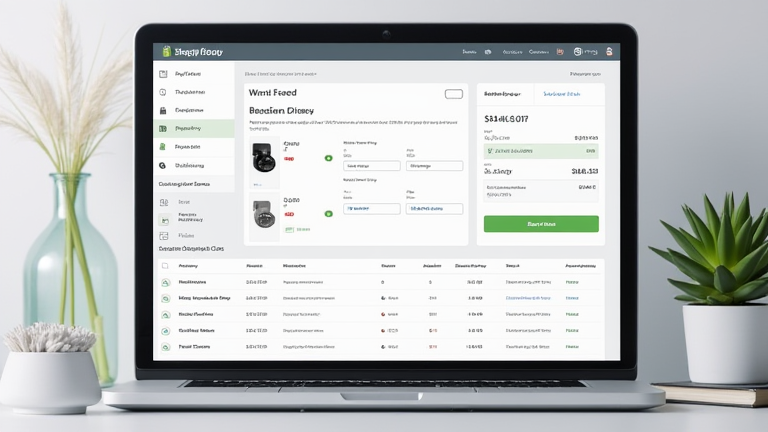
How Shopify Stores Boost B2B Sales with Custom Product Pages
TL;DR: Shopify stores boost B2B sales by enabling highly personalized product pages that display negotiated pricing, volume discounts, and custom branding for specific corporate clients. This customization reduces friction in the procurement process, leading to higher conversion rates and improved customer retention for wholesale businesses.
Market Analysis: The Shift to Digital B2B
The B2B e-commerce landscape is undergoing a significant transformation. According to recent industry reports, B2B digital commerce is projected to reach $17.5 trillion by 2025, with online channels capturing a growing share of total transaction volume. Historically, B2B transactions were dominated by phone calls, emails, and offline negotiations. However, the post-pandemic era has accelerated the demand for seamless digital experiences. Buyers now expect the same level of convenience, transparency, and speed from their wholesale suppliers as they do from consumer brands.
For businesses utilizing Shopify, the challenge lies in bridging the gap between the consumer-friendly interface and the complex requirements of wholesale buyers. Standard product pages are often insufficient for B2B contexts, which require dynamic pricing, tiered discounts, and account-specific visibility. The market is rapidly moving toward self-service models where buyers can place orders without sales rep intervention. To capture this growth, companies must leverage custom product pages that cater specifically to wholesale dynamics, ensuring that the digital storefront serves as a powerful sales tool rather than just a catalog.
Strategy Insights: Designing for Efficiency
Effective B2B strategy on Shopify centers on reducing friction and enhancing clarity. The first critical element is dynamic pricing. Custom product pages should automatically display negotiated prices for logged-in B2B accounts, eliminating the need for manual quotes. This transparency builds trust and speeds up the decision-making process. Secondly, volume-based discounts must be clearly visible. Displaying tiered pricing structures on the product page encourages buyers to increase their order volume to reach the next discount threshold, directly boosting average order value.
Additionally, content personalization is key. Custom pages can include technical specifications, compliance documents, and bulk download options that are crucial for procurement teams. Integrating inventory availability in real-time prevents order cancellations and builds reliability. Furthermore, offering a “Request for Quote” feature for complex products allows sales teams to step in only when necessary, creating a hybrid model that balances automation with human touch. By focusing on these strategic elements, businesses can create a user experience that respects the professional context of B2B buyers while maintaining the efficiency of e-commerce.
Case Studies: Real-World Success
Consider a mid-sized industrial supply company that migrated to Shopify Plus. By implementing custom product pages with automated tiered pricing, they reduced the time spent on manual quoting by 40%. Their conversion rate for wholesale orders increased by 25% within six months, as buyers appreciated the clarity of pricing and immediate access to stock levels.
Another example is a specialty food distributor. They used custom sections on their product pages to display bulk packaging options and shipping estimates for pallet orders. This transparency addressed a major pain point for their clients, leading to a 15% increase in repeat orders. These cases demonstrate that investing in customized B2B product pages is not just a technical upgrade but a strategic move that directly impacts revenue and customer satisfaction. By aligning digital capabilities with business needs, companies can unlock new levels of growth in the competitive B2B marketplace.
FAQ
Q: How do I enable custom pricing on Shopify B2B pages?
A: You can use Shopify’s native B2B features or third-party apps to create price lists linked to specific customer tags or groups, ensuring each buyer sees their negotiated rates automatically.
If you want to dig deeper, check out our guide on DIY Haircut: Why Cutting Your Own Hair Is a Total Game Chang.
Q: Is it possible to hide products from general consumers on B2B pages?
A: Yes, you can use metafields and theme conditions to hide specific products or price tiers from guests and ensure they are only visible to verified B2B account holders.
Q: What metrics should I track to measure the success of custom B2B pages?
A: Key metrics include average
Leave a Reply