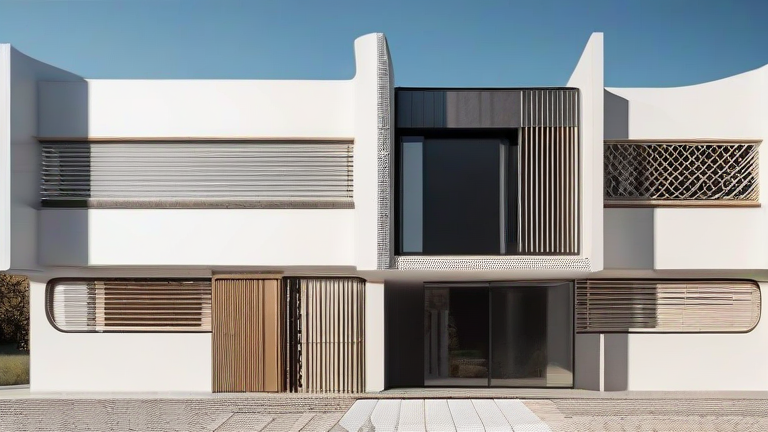
TL;DR: On-site printed homes utilize generative design algorithms to optimize structural integrity while minimizing waste, creating unique living spaces that are both sustainable and aesthetically distinct. By repurposing recycled construction waste into 3D printing feedstock, these structures offer a low-carbon alternative to traditional building methods that align with modern values of environmental stewardship and architectural innovation.
The Intersection of Digital Logic and Earthly Materials
Imagine standing in a field where a robotic arm is not planting seeds, but laying down layers of earth and concrete to form the walls of your future home. This is the reality of on-site 3D printing, a technology that is rapidly moving from experimental labs to residential neighborhoods. The core innovation here is not just the printer, but the material. Traditional construction generates massive amounts of waste, with concrete and brick offcuts often ending up in landfills. Generative design flips this script by taking that very waste, processing it into a consistent, printable slurry, and using it to build new structures. It is a circular economy in action, where the debris of the past becomes the foundation of the future.
If you want to dig deeper, check out our guide on Anthropic IPO: Public Anti-AI Sentiment Cited as Key Risk Fa.
Generative Design: Letting the Algorithm Build
Generative design is a computational tool that uses algorithms to explore all possible solutions to a design problem based on specified parameters. In the context of 3D printing, architects input constraints such as load-bearing requirements, material strength, and site topography. The software then generates hundreds or thousands of potential structural shapes. Unlike human intuition, which tends to favor right angles and symmetrical forms, generative design often produces organic, curvilinear geometries that are inherently stronger and use less material. This results in homes that look less like boxes and more like sculptures grown from the landscape. The aesthetic is unique to each site, reflecting the specific conditions of the land, creating a sense of place that mass-produced housing rarely achieves.
A Lifestyle of Sustainable Innovation
For the modern homeowner, choosing an on-site printed home is a statement of personal growth and cultural alignment with sustainability. It represents a shift from passive consumption to active participation in the built environment. Living in a home constructed from recycled materials offers a psychological comfort that new, virgin-material buildings cannot match. You are literally living in a structure that has been given a second life. Furthermore, the construction process is faster and less disruptive to the surrounding ecosystem. There is no massive crane operation or weeks of noisy demolition; instead, there is a quiet, precise deposition of material. This efficiency means that the environmental footprint of the construction phase is significantly reduced, allowing residents to focus on enjoying their space rather than worrying about the carbon cost of its creation.
The Cultural Shift in Housing
Culturally, this movement challenges the notion that luxury and sustainability are mutually exclusive. High-end, architect-designed homes were once the domain of the ultra-wealthy, often built with the most expensive and environmentally damaging materials. Now, the same technology that can create intricate, high-performance structures can be scaled down for affordable housing. This democratization of design is a profound cultural shift. It suggests that beauty and efficiency are not privileges, but rights that can be accessed through intelligent design and responsible sourcing. Communities are beginning to see these printed homes not as oddities, but as the future of urban and suburban living. They represent a bridge between the digital world of algorithms and the physical world of earth and stone.
FAQ
Q: Are 3D printed homes safe and durable?
A: Yes, they are designed to meet or exceed standard building codes. The use of generative design often results in structures that are stronger per square foot than traditional masonry because the algorithms optimize material placement for maximum structural efficiency, ensuring long-term durability.
Q: What materials are typically used in the printing process?
A: Most systems use a mixture of cement, sand, and water, but increasingly, builders are incorporating recycled aggregates, fly ash from power plants, and other industrial by-products. This not only reduces the need for virgin raw materials but also diverts waste from landfills, creating a more sustainable supply chain.
Leave a Reply