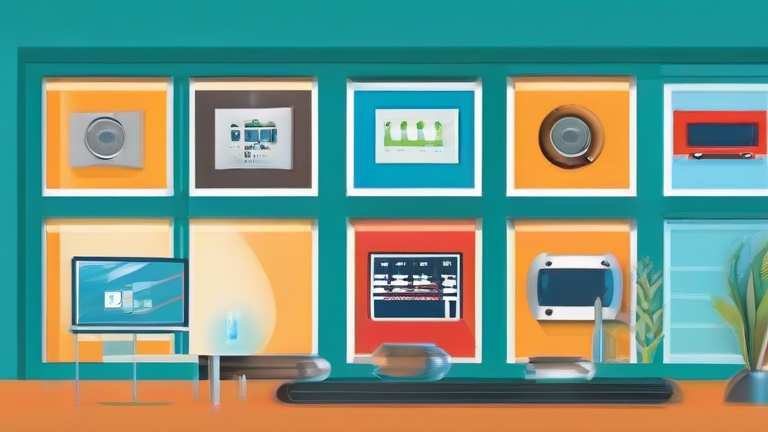
Smart Home Interoperability: Achieving True Device Connectivity
TL;DR: True smart home interoperability is achieved through the widespread adoption of the Matter protocol, which standardizes communication between devices from different manufacturers. This shift eliminates ecosystem silos, allowing seamless integration of lighting, security, and entertainment systems into a unified, user-friendly smart home environment.
The Era of Seamless Integration
For years, the smart home market was defined by fragmentation. Consumers often found themselves trapped within specific ecosystems, unable to mix and match devices from different brands without complex workarounds or third-party hubs. The latest developments in home automation technology have fundamentally shifted this paradigm. The introduction and rapid expansion of the Matter protocol, backed by major industry players like Apple, Google, Amazon, and Samsung, represents the most significant step toward true device connectivity. Matter operates on top of existing IP-based networks, including Wi-Fi, Thread, and Ethernet, ensuring robust performance and low latency. By establishing a common language for smart home devices, it allows a Philips Hue bulb to communicate directly with a Samsung smart refrigerator and a Sonos speaker, regardless of the originating platform.
If you want to dig deeper, check out our guide on Rude B&B Host: Am I In The Wrong?.
Technical Specifications and Standards
From a technical standpoint, Matter specifies a standardized way for smart home devices to communicate using the IP protocol stack. Unlike older protocols that relied on proprietary radio frequencies or complex mesh networks, Matter utilizes standard internet protocols, making it more scalable and easier to manage. The protocol supports a wide range of device types, including lights, locks, thermostats, sensors, and appliances. Key technical specifications include support for local control, which ensures that devices can function even if the cloud connection is interrupted. This local processing capability significantly reduces latency and enhances privacy, as data does not need to travel to remote servers for basic operations. Furthermore, Matter incorporates robust security features, including end-to-end encryption and secure commissioning, to protect user data and prevent unauthorized access. The protocol’s design emphasizes ease of use, with a simplified setup process that minimizes the need for manual configuration or complex pairing procedures.
Industry Impact and Future Outlook
The impact of Matter on the industry has been profound. Manufacturers are no longer forced to choose between competing ecosystems; instead, they can design products that work universally. This has led to increased competition and innovation, as companies focus on improving device quality and features rather than locking users into proprietary platforms. For consumers, this means greater freedom in choosing the best devices for their needs without worrying about compatibility issues. The industry is now seeing a surge in the development of new smart home categories, such as advanced health monitoring sensors and energy management systems, which benefit from the standardized infrastructure. As adoption continues to grow, we can expect further refinements in the protocol, including support for more complex automation scenarios and deeper integration with AI-driven assistants. The future of smart homes lies in this interconnected, interoperable environment, where technology works invisibly in the background to enhance daily life.
FAQ
Q: Is Matter compatible with all existing smart home devices?
A: No, Matter is not retroactively compatible with all existing devices. However, many newer devices are Matter-certified, and hubs can often bridge older Zigbee or Z-Wave devices to the Matter network.
Q: Do I need a special hub to use Matter devices?
A: While some Matter devices can work directly over Wi-Fi, a Matter-certified hub is recommended for devices using Thread or for managing complex local automations and ensuring reliable local control.
Q: How does Matter affect data privacy?
A: Matter improves privacy by enabling local control, meaning data can be processed on the local network rather than being sent to the cloud for every interaction, reducing exposure to potential breaches.
Leave a Reply