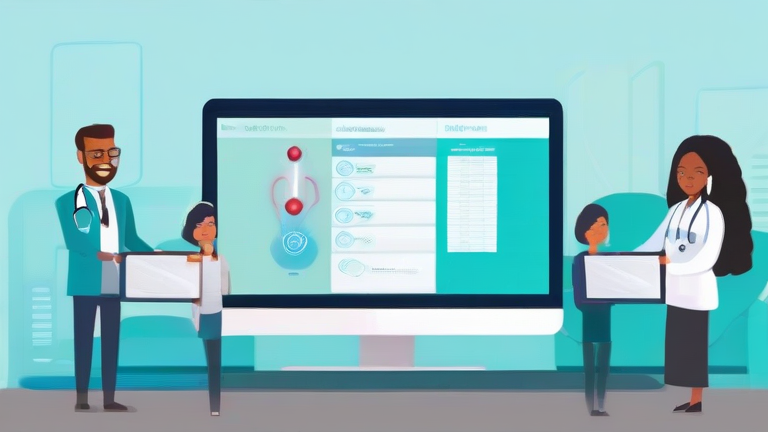
TL;DR: Hybrid telehealth models integrate virtual consultations with in-person visits to provide continuous, data-driven monitoring for chronic conditions. This approach significantly improves patient adherence, reduces hospital readmissions, and optimizes long-term health outcomes through personalized, real-time adjustments.
The Evolution of Chronic Care Management
Chronic diseases such as diabetes, hypertension, and heart failure require consistent management that extends far beyond the occasional clinic visit. Traditional care models often leave patients in a “black box” between appointments, where symptoms can escalate unnoticed. Hybrid telehealth models bridge this gap by combining the diagnostic precision of in-person exams with the accessibility and continuous data capture of remote care. Research indicates that this integrated approach leads to better glycemic control in diabetics and lower blood pressure stability in hypertensive patients. By leveraging technology, healthcare providers can intervene early, preventing acute crises that would otherwise require emergency intervention.
If you want to dig deeper, check out our guide on Best Ergonomic Office Chair for Long Hours: Top Picks.
Science-Backed Benefits of Continuous Monitoring
The core strength of hybrid models lies in the use of remote patient monitoring (RPM) devices. These tools, such as Bluetooth-enabled blood pressure cuffs, continuous glucose monitors, and wearable heart rate trackers, transmit real-time data to healthcare teams. Studies published in the Journal of Medical Internet Research demonstrate that patients using RPM have a 20% lower rate of hospital readmissions compared to those receiving standard care. This is because clinicians can identify subtle trends in vital signs before they become critical. For instance, a gradual rise in resting heart rate might indicate early infection or stress, prompting a proactive phone consultation rather than waiting for the patient to feel severely ill. This data-driven insight allows for precise medication adjustments, ensuring that treatment plans remain effective as the patient’s condition evolves.
Lifestyle Tips for Maximizing Telehealth Engagement
While technology facilitates the connection, patient engagement is crucial for success. To maximize the benefits of a hybrid care model, patients should adopt specific lifestyle habits that support data accuracy and self-management. First, establish a consistent routine for wearing monitoring devices. For example, if using a continuous glucose monitor, ensure it is applied correctly and that you log meals in the accompanying app immediately after eating. This creates a clear correlation between dietary choices and blood sugar spikes. Second, create a dedicated, quiet space for virtual visits. Just as you would prepare for an in-person appointment, having good lighting, a stable internet connection, and a list of current symptoms ready can make remote consultations more efficient and effective. Third, maintain a healthy lifestyle baseline. Regular physical activity, even short walks, can improve the reliability of heart rate data and overall cardiovascular health. Combining these daily habits with regular check-ins ensures that the telehealth platform works for you, not against you.
Overcoming Barriers to Adoption
Despite the benefits, some patients face barriers such as digital literacy gaps or concerns about privacy. Healthcare providers are increasingly addressing these issues by offering simplified app interfaces and robust encryption protocols. Patients should feel empowered to ask questions about how their data is used and stored. Additionally, hybrid models often include human support, such as nurse navigators who can help troubleshoot technical issues or interpret data trends. This human touch is vital for building trust and ensuring that technology serves as a tool for empowerment rather than a source of confusion. By addressing these challenges head-on, hybrid telehealth becomes an accessible and effective resource for all demographics, regardless of their initial comfort level with digital health tools.
FAQ
Q: How often should I schedule in-person visits if I use a hybrid telehealth model?
A: The frequency depends on your specific condition and stability, but generally, in-person visits may be spaced out to every three to six months, with virtual check-ins occurring monthly or weekly to maintain continuous oversight.
Q: What type of devices do I need to get started with remote monitoring?
A: You typically need a smartphone or tablet with a stable internet connection, along with specific medical devices prescribed by your doctor, such as a digital blood pressure monitor, scale, or glucose meter that can sync with a secure health app.
Q: Is my
Leave a Reply