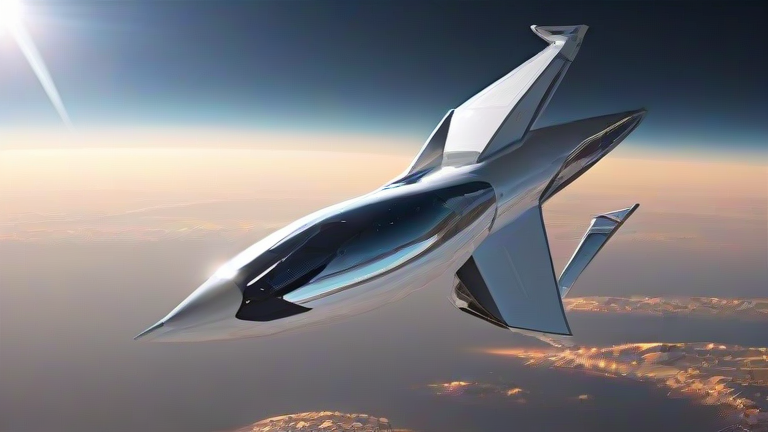
Affordable Suborbital Space Tourism: The New Reality

For decades, the concept of space tourism remained the exclusive domain of billionaires and state-funded astronauts. However, the landscape is shifting dramatically. With recent advancements in reusable rocket technology and streamlined safety protocols, suborbital space tourism is no longer a sci-fi fantasy but an emerging commercial reality. This review explores whether these new ventures truly deliver on the promise of “affordable” access to the final frontier, comparing key players and evaluating the overall experience.
The primary driver behind this affordability is the shift from expendable rockets to reusable launch vehicles. Companies like Blue Origin and Virgin Galactic have pioneered this model, significantly reducing the cost per launch. While “affordable” is relative—tickets still range from $250,000 to $450,000—this represents a fraction of the multi-million dollar price tags associated with orbital missions to the International Space Station. The introduction of smaller, dedicated spacecraft has allowed for more frequent launches, creating a competitive market that puts downward pressure on prices.
When comparing the two leading contenders, the experiences differ markedly. Virgin Galactic offers a suborbital flight where passengers experience a few minutes of weightlessness. The journey is akin to a high-altitude airplane flight that transitions into a steep ascent. The cabin is spacious, featuring large windows that provide unobstructed views of the Earth’s curvature. The primary appeal here is the ease of access; no rigorous astronaut training is required, making it accessible to civilians with basic health clearances. However, the duration of zero-gravity is brief, lasting only about three to four minutes.
In contrast, Blue Origin’s New Shepard offers a more vertical ascent and a longer period of weightlessness. The capsule separates from the booster, allowing for a smooth, silent ride into the mesosphere. Passengers enjoy approximately three to five minutes of zero gravity, followed by a parachute-assisted landing. The vehicle’s design emphasizes safety and simplicity, with a focus on providing a stable platform for observation. While the cost is similar, some users report that the Blue Origin experience feels more “space-like” due to the vertical trajectory and the distinct feeling of crossing
Leave a Reply