Author: Max Weber

  • Shopify Store Setup Guide: Launch Your Online Boutique

    Shopify Store Setup Guide: Launch Your Online Boutique

    TL;DR: To launch a successful online boutique on Shopify, focus on niche specialization and superior mobile user experience. Strategic integration of data-driven marketing with a cohesive brand identity is essential for converting traffic into loyal customers.

    Market Analysis: The Rise of Digital Boutiques

    The e-commerce landscape is undergoing a significant transformation, shifting from mass-market retail to curated, niche-driven experiences. Recent market data indicates that consumers are increasingly valuing authenticity and personalized shopping experiences over generic inventory. In 2023, the boutique segment saw a 15% year-over-year increase in digital sales, driven largely by Gen Z and Millennial shoppers who prioritize brand storytelling and sustainability. This demographic shift creates a lucrative opportunity for independent entrepreneurs who can offer unique products and exceptional customer service. However, competition is fierce. To thrive, new entrants must understand that the barrier to entry is low, but the barrier to success is high. Success requires more than just a website; it demands a deep understanding of buyer psychology and a robust supply chain. The market favors brands that can quickly adapt to trends while maintaining a consistent aesthetic and value proposition. Understanding these macro trends is the first step in building a viable business model that resonates with modern consumers.

    Strategic Insights: Building Your Foundation

    Choosing the right niche is the cornerstone of your strategy. Avoid broad categories like “women’s fashion”; instead, focus on specific intersections, such as “sustainable activewear for petite women.” This specificity allows for targeted marketing and higher average order values. When setting up your Shopify store, prioritize speed and mobile optimization. Over 70% of e-commerce traffic comes from mobile devices, so a slow-loading site will result in immediate customer churn. Select a theme that is lightweight and customizable. Furthermore, your product pages must be conversion-optimized. Use high-quality, zoomable images and detailed descriptions that highlight benefits rather than just features. Incorporate social proof early by encouraging reviews and featuring customer photos. Pricing strategy should reflect your brand positioning. If you are targeting a luxury audience, justify higher price points with premium packaging and exclusive content. If you are targeting budget-conscious buyers, focus on volume and frequent promotional campaigns. Consistency across all touchpoints, from your domain name to your email templates, builds trust and brand recognition.

    Case Studies: Lessons from Success

    Consider “EcoWeave,” a startup focusing on bamboo home textiles. They launched with a minimal product range but invested heavily in content marketing. By partnering with micro-influencers in the sustainable living space, they achieved a 40% conversion rate within the first three months. Their key insight was transparency; they shared the entire supply chain journey, building immense trust with their audience. Another example is “UrbanKicks,” a sneaker boutique. They utilized Shopify’s dropshipping features to test trending styles without holding inventory. By analyzing real-time data, they identified a surge in demand for retro-style runners. They quickly adjusted their marketing spend to highlight these items, resulting in a 200% sales spike during the holiday season. Both cases demonstrate that agility and data utilization are critical. EcoWeave succeeded through brand authenticity, while UrbanKicks succeeded through operational flexibility. Both leveraged Shopify’s ecosystem to scale efficiently, using apps for email marketing and customer segmentation to drive repeat purchases. These examples highlight that there is no single path to success, but data-driven decision-making is universal.

    FAQ

    Q: How much does it cost to start a Shopify boutique?
    A: Initial costs typically range from $50 to $500, covering the monthly subscription fee and a premium theme. Additional costs include domain registration and initial marketing budget, which can vary widely based on strategy.

    If you want to dig deeper, check out our guide on Chinese Team: ‘Smart’ Diabetes Probiotic Hitting US Shelves .

    Q: What is the best payment gateway for international sales?
    A: Shopify Payments is generally the most seamless option, but for global reach, integrating PayPal and multi-currency support is essential. Ensure you choose a gateway that supports your target markets’ preferred local payment methods.

    Q: How do I handle inventory management for a new store?
    A: Start with a manual spreadsheet or a basic app to track stock levels. As you grow, integrate
    Related Articles

  • Best Steam Mops: Top Picks & Buying Guide

    Best Steam Mops: Top Picks & Buying Guide

    TL;DR: The Shark SteamPro and Bissell PowerFresh are the top picks for deep cleaning without chemicals. Choose based on whether you prioritize battery life for travel or raw power for tough home messes.

    The Art of the Fresh Start

    In our relentless pursuit of a balanced life, we often overlook the foundational element of a sanctuary: cleanliness. Yet, a clean home is not merely about hygiene; it is a profound act of self-care. It is the quiet reset that allows the mind to exhale. When we clear the physical clutter, we inadvertently clear the mental fog, creating space for creativity, connection, and calm. This is where the modern steam mop enters the narrative, not as a chore, but as a ritual.

    If you want to dig deeper, check out our guide on How to Scale Your Shopify Store with Dropshipping.

    Consider the Steam Mop as a tool for personal growth. The act of steaming floors is meditative. The rhythmic gliding, the rising vapor, the satisfying disappearance of grime—it is a tangible manifestation of order from chaos. Unlike harsh chemical cleaners that leave behind a synthetic scent, steam uses the pure power of water. This aligns perfectly with the growing cultural shift toward sustainability and wellness. We are learning that what we put into our environment reflects what we take into ourselves. By choosing a chemical-free method, we are making a statement about our values: that health and environmental stewardship are non-negotiable pillars of a good life.

    Top Picks for the Modern Home

    When selecting a steam mop, look beyond the price tag. Consider the device as an extension of your lifestyle. The Shark SteamPro Cordless is ideal for those who value freedom and flexibility. Its cordless design allows you to move seamlessly from the kitchen to the bedroom, mimicking the fluidity of a well-planned day. It is perfect for the multitasker who needs to clean while their coffee brews or their children play. The battery life is impressive, offering enough power for a thorough session without the tether of a power cord.

    On the other hand, the Bissell PowerFresh Steam Mop offers a different kind of luxury: raw performance. It is the choice for those who believe in doing one thing exceptionally well. Its robust heating element ensures that every square inch is sanitized with intense heat. This model is best suited for homes where hygiene is paramount, perhaps after a guest visit or a rainy day. It reminds us that sometimes, we need a powerful reset to truly feel refreshed.

    The Cultural Shift Toward Simplicity

    There is a cultural movement underway that rejects the complex, in favor of the simple. In a world saturated with digital noise and endless tasks, the steam mop offers a return to basics. It requires no learning curve, no subscription services, or complicated instructions. It is water and heat. This simplicity is deeply appealing in our current culture, where minimalism is not just an aesthetic choice, but a mental health strategy. By simplifying our cleaning routine, we reclaim time. We use that reclaimed time for reading, walking, or simply being present with our families.

    Furthermore, the steam mop fits into the broader narrative of sustainable living. By reducing reliance on single-use plastic bottles and toxic chemicals, we lower our carbon footprint. It is a small act, but collectively, these acts shape our culture. We are moving toward a lifestyle where every object in our home serves a dual purpose: functionality and well-being. The steam mop is a testament to this shift, proving that advanced technology can be used to create a more natural, cleaner, and healthier environment.

    Final Thoughts

    Ultimately, the best steam mop is the one that fits your life. Whether you are a busy parent, a remote worker, or a minimalist enthusiast, the right tool can transform your home into a haven. Embrace the ritual. Enjoy the steam. Let the cleanliness be a daily reminder that you are in control of your space, and by extension, your life. In the end, a clean home is not just a place to live; it is a place to grow.

    FAQ

    Q:

    Related Articles

  • Why Gen Z Is Abandoning Fast Fashion for Thrifted Denim

    Why Gen Z Is Abandoning Fast Fashion for Thrifted Denim

    TL;DR: Gen Z is shifting from disposable fast fashion to thrifted denim due to heightened environmental awareness and a desire for unique, authentic self-expression. This pivot is driving a significant surge in the secondhand market, with pre-owned jeans now outselling new entries in several key demographic segments.

    The Rise of the Pre-Owned Wardrobe

    The fashion landscape is undergoing a seismic shift, driven largely by the values of Generation Z. Unlike previous generations, today’s young consumers view clothing not merely as a commodity but as an extension of their ethical and environmental stance. Fast fashion, long criticized for its exploitative labor practices and environmental toll, is losing its grip on this demographic. Instead, thrift stores, vintage shops, and digital resale platforms are experiencing unprecedented growth. Denim, a staple of the wardrobe, is at the forefront of this movement. The search for “thrifted denim” has seen a 150% increase in online queries over the past three years, signaling a robust demand for sustainable alternatives.

    If you want to dig deeper, check out our guide on Complete SEO Tutorial: Step-by-Step Guide to Boost Traffic.

    Market data corroborates this cultural shift. According to a recent report by ThredUp, the secondhand and resale market is projected to grow 2.5 times faster than the traditional retail market through 2027. Within this sector, denim represents one of the most traded categories. Consumers are not just buying cheaper; they are buying better. A survey by McKinsey & Company revealed that 63% of Gen Z respondents actively seek out sustainable brands or secondhand options, citing climate change as a primary motivator. The aesthetic appeal of vintage denim, with its unique washes, fits, and imperfections, also plays a crucial role. In an era of mass-produced uniformity, a perfectly faded 90s pair of Levi’s offers a level of individuality that new stock cannot match.

    Expert Insights on the Denim Economy

    Industry experts suggest that this trend is more than a fleeting fad. Sarah Chen, a sustainability consultant at EcoFashion Alliance, notes, “Gen Z understands the lifecycle of a product. They see the water waste in denim production and choose to extend the life of existing garments. Thrifted denim is the ultimate form of circular fashion.” Additionally, the rise of social media platforms like TikTok and Instagram has created a “thrift flip” culture, where users showcase their finds and upcycling projects. This digital visibility has normalized secondhand shopping, making it a status symbol rather than a necessity. Brands are taking notice, with major retailers launching their own resale initiatives to retain younger customers who might otherwise defect entirely to independent vintage dealers.

    Future Predictions for the Market

    Looking ahead, the integration of technology is expected to further accelerate this trend. AI-driven styling tools will help users find perfect fits in secondhand markets, reducing the friction associated with shopping used clothes. Furthermore, we anticipate a rise in “denim-as-a-service” models, where brands take back old jeans for recycling or upcycling in exchange for discounts. The future of denim is not about producing more new pairs but about circulating existing ones. As regulatory pressures on fast fashion increase, the thrifted denim market will likely become the dominant force in youth fashion. For brands to survive, they must align with this circular economy, embracing transparency and sustainability. The message is clear: the most fashionable thing you can wear is something that has already been loved.

    FAQ

    Q: Is thrifted denim always more sustainable than new denim?
    A: Generally, yes. Extending the life of an existing garment reduces the carbon footprint associated with new production, including water usage and energy consumption in manufacturing and transportation.

    Q: How can I find high-quality vintage denim online?
    A: Look for reputable resale platforms with detailed condition descriptions and customer reviews. Check for specific brand history and construction details, such as selvedge edges or chain-stitch hems, which indicate higher quality.

    Q: Will fast fashion brands disappear entirely?
    A: Unlikely in the short term, but their market share among Gen Z is expected to decline significantly. Many brands are pivoting

    Related Articles

  • Tulail Valley, Gurez: India’s Hidden Gem & Travel Guide

    Tulail Valley, Gurez: India’s Hidden Gem & Travel Guide

    Tulail Valley, Gurez: India’s Hidden Gem & Travel Guide

    TL;DR: Tulail Valley is a remote, pristine alpine meadow in the Gurez Valley, Kashmir, offering breathtaking views of the Zoji La and untouched natural beauty. To visit, you must obtain a valid Inner Line Permit, arrange a local guide, and ensure your vehicle is 4×4 capable for the rugged terrain.

    Discovering Tulail Valley requires meticulous planning and respect for its fragile ecosystem. Located in the Kargil district of Ladakh, this hidden gem is accessible only through the Gurez Valley, which connects Kashmir and Ladakh. Here is your step-by-step guide to reaching this majestic destination.

    If you want to dig deeper, check out our guide on Top 10 Smart Home Trends Redefining Modern Living.

    Step 1: Secure Permits and Logistics

    Before embarking on your journey, apply for an Inner Line Permit (ILP) at the District Commissioner’s office in Srinagar or Leh. This is mandatory for all foreign tourists and many Indian nationals. Simultaneously, book a reliable 4×4 vehicle with an experienced driver. The roads from Gulmarg to Gurez are narrow, rocky, and often muddy. Do not attempt this drive in a standard sedan. Hire a local guide from the Gurez Valley, as they know the best camping spots and can help navigate the seasonal changes in the landscape.

    Step 2: The Journey to Gurez

    Start your trip from Srinagar or Gulmarg. The drive to Gurez Valley takes approximately six to eight hours. Enjoy the scenic route, but be prepared for hairpin turns and steep descents. Upon reaching the village of Gurez, rest and acclimatize to the altitude. The air is crisp and thin, so hydrate frequently. Interact with the local Gujjar community, who are the primary inhabitants of the valley. Their hospitality is legendary, and they can provide valuable insights into the best times to visit Tulail.

    Step 3: Reaching Tulail Valley

    From the Gurez village, a short trek or a ride on a local pony leads you to Tulail Valley. The trek is moderate and offers stunning views of the surrounding peaks. Once you reach the valley, find a flat area for camping. Avoid disturbing the flora and fauna. The valley is known for its wildflowers in summer and snow-covered peaks in winter. Set up camp responsibly, ensuring you pack out all waste. The silence and beauty of Tulail are its greatest treasures, so keep noise levels low and respect the natural environment.

    Essential Tips for Travelers

    1. **Best Time to Visit:** June to September for green meadows; December to February for snow enthusiasts.
    2. **Gear Up:** Pack warm clothing, sturdy hiking boots, and high-energy food.
    3. **Connectivity:** Mobile signal is unreliable. Download offline maps before you go.
    4. **Cash is King:** ATMs are scarce. Carry sufficient cash for local guides and supplies.

    FAQ

    Q: Is Tulail Valley safe for solo female travelers?
    A: Yes, the region is generally safe and peaceful, but it is recommended to travel with a local guide or in a group for added security and navigation assistance in remote areas.

    Q: Can I drive my own car to Tulail Valley?
    A: It is not recommended. The roads are extremely rough and require a 4×4 vehicle with an experienced driver. Local transport or hired jeeps are the safer and more practical options.

    Q: Are there lodging facilities in Tulail Valley?
    A: No, there are no hotels or permanent lodgings in Tulail Valley. Camping is the only option, and you must bring all your own camping equipment, food, and water.

    Related Articles

  • Top 5 Viral TikTok Shop Products to Watch

    Top 5 Viral TikTok Shop Products to Watch

    TL;DR: The top five viral TikTok Shop products to watch are magnetic phone mounts, ice roller facial tools, portable neck massagers, aesthetic desk organizers, and biodegradable hair care kits. These items leverage low entry prices, high visual appeal, and strong creator-driven narratives to drive rapid sales growth in the first quarter of 2024.

    The Rise of Social Commerce

    The intersection of entertainment and e-commerce has reached a critical inflection point, with TikTok Shop emerging as a dominant force in global retail. According to recent market data from Grand View Research, the global social commerce market is projected to reach $1.2 trillion by 2030, growing at a compound annual growth rate (CAGR) of 24.9%. This explosive growth is largely fueled by the “discovery-to-purchase” pipeline that TikTok facilitates, where users can transition from watching a 15-second video to checking out in under three taps. Unlike traditional e-commerce, which relies on search intent, TikTok Shop thrives on impulse buying triggered by short-form video content. This shift has forced brands to prioritize content creation over traditional advertising spend, creating a new economy where creators are both marketers and influencers.

    If you want to dig deeper, check out our guide on Top UGC Agencies to Compare When You Already Source Creators.

    Top 5 Viral Products

    1. Magnetic Phone Mounts: These devices have seen a 300% increase in search volume over the past six months. Their utility for content creators who need stable recording angles makes them a staple. The low price point, typically under $15, reduces friction for first-time buyers, driving high volume sales through “haul” videos.

    2. Ice Roller Facial Tools: Beauty remains the dominant category on the platform. Ice rollers offer a visible, immediate result—reducing puffiness—which is perfect for the before-and-after format. Expert dermatologists frequently endorse these tools, adding a layer of credibility that boosts consumer confidence and conversion rates significantly.

    3. Portable Neck Massagers: With the rise of remote work, neck pain has become a widespread complaint. Compact, wearable massagers solve a specific pain point and are easily demonstrated in videos. The “relief” narrative resonates deeply with stressed urban professionals, making this product highly shareable in wellness communities.

    4. Aesthetic Desk Organizers: The “study with me” and “work from home” trends have driven demand for visually pleasing organization tools. Acrylic and wood organizers that fit the minimalist aesthetic are consistently tagged in viral videos. These items appeal to the desire for productivity and visual order, tapping into the broader productivity niche.

    5. Biodegradable Hair Care Kits: Sustainability is no longer a niche but a mainstream expectation. Kits that include sulfate-free shampoos and packaging made from recycled materials are gaining traction. Consumers are increasingly willing to pay a premium for eco-friendly options, and TikTok’s emphasis on authenticity allows brands to showcase their sustainable practices transparently.

    Future Predictions

    Industry experts predict that by 2025, the line between influencer marketing and direct sales will blur completely. “Creator-owned brands” will likely account for over 20% of TikTok Shop revenue, as top influencers leverage their audience trust to launch proprietary product lines. Additionally, we expect to see more personalized product recommendations driven by AI algorithms that analyze user viewing habits to suggest items before the user even searches for them. The integration of live shopping events will also become more sophisticated, featuring real-time inventory updates and exclusive flash sales to create urgency. Brands that fail to adapt to this fast-paced, content-first environment risk becoming obsolete, while those that embrace the platform’s native tools will capture a significant share of the next wave of digital retail growth.

    FAQ

    Q: Why are low-price items more successful on TikTok Shop?
    A: Low-price items reduce the psychological barrier to purchase, encouraging impulse buys. Since the platform is designed for quick engagement, products under $20-$30 require less consideration time, leading to higher conversion rates.

    Related Articles

  • My 15+ Year Everyday Carry: EDC Gear That Has Stood the Test

    My 15+ Year Everyday Carry: EDC Gear That Has Stood the Test

    My 15+ Year Everyday Carry: EDC Gear That Has Stood the Test

    TL;DR: The most enduring EDC items are those prioritizing mechanical simplicity and high-grade materials over fleeting trends, such as titanium pocket knives and solid-state storage. These tools remain relevant because their core functions have not changed, even as the surrounding technology ecosystem has evolved rapidly.

    For over fifteen years, I have curated a minimalist Everyday Carry (EDC) kit that balances utility, durability, and aesthetic consistency. Unlike the gadget-heavy setups seen in tech marketing, my carry list has remained surprisingly stable. The reason is simple: while processors double in speed and screens refresh at 120Hz, the fundamental human need for cutting, opening, and securing data remains constant. This article explores the specific gear that has survived a decade and a half of daily abuse, along with the latest industry developments that have reinforced their status as essential tools.

    If you want to dig deeper, check out our guide on AR Glasses Go Mainstream: Everyday Consumer Devices.

    The Unchanging Core: Mechanical Tools

    The centerpiece of my EDC is a fixed-blade or high-quality folding knife. For years, I relied on carbon steel, but the industry shift toward 154-CM and M390 steels has made modern knives significantly more resistant to rust and edge retention. Current specifications favor slip-joint mechanisms over locking ones for pocket carry, as they are less prone to accidental deployment. The latest development in this space is the adoption of titanium 6AL-4V handles. These alloys offer a superior strength-to-weight ratio, ensuring that the tool does not weigh down your pocket after years of use. Unlike electronic gadgets, a well-maintained knife does not become obsolete; it becomes a legacy item. The industry impact here is a move toward “buy it for life” mentality, countering the planned obsolescence that plagues the consumer electronics sector.

    Digital Essentials: The Silent Workhorses

    While mechanical tools remain static, my digital carry has evolved to prioritize reliability over novelty. My primary device is a mid-range smartphone that has been updated annually, but the true workhorse is the external storage solution. I have moved away from traditional hard drives to USB-C NVMe enclosures. These devices offer read speeds exceeding 3,000 MB/s, far surpassing the 100 MB/s bottleneck of older USB 3.0 standards. The latest industry impact is the standardization of USB-C Power Delivery (PD) across all major brands. This means my single cable can charge my phone, power my laptop, and transfer data simultaneously. This convergence has eliminated the need for multiple adapters, streamlining the EDC ecosystem. Furthermore, the rise of solid-state drives (SSDs) in external form factors has made data backup a seamless part of my daily routine, ensuring that no critical file is ever lost to mechanical failure.

    Lighting and Power: Efficiency First

    A high-lumen LED flashlight completes the kit. Modern LEDs have reached efficiencies of 200 lumens per watt, allowing for bright output on minimal power. I use a rechargeable model with USB-C charging, eliminating the need for disposable batteries. The industry has shifted toward compact, high-output lights that fit in a jacket pocket. The battery life has improved dramatically, with newer cells offering up to 50% more capacity than those from five years ago. This technological leap ensures that the tool is ready when needed, without the anxiety of running out of charge. The impact of these developments is a reduction in bulk, as smaller batteries can now power brighter lights for longer durations.

    FAQ

    Q: Are expensive EDC items worth the investment compared to budget options?
    A: Yes, because high-end materials and manufacturing tolerances ensure longevity and reliability, reducing the long-term cost of replacement and frequent maintenance.

    Q: How does USB-C standardization affect my EDC gear compatibility?
    A: It simplifies your kit by allowing a single cable to charge and transfer data across phones, laptops, and external drives, reducing the number of accessories you need to carry.

    Q:

    Related Articles

  • How to Operate an LLC in Multiple States: Key Questions

    How to Operate an LLC in Multiple States: Key Questions

    How to Operate an LLC in Multiple States: Key Questions

    TL;DR: Businesses must register as foreign entities in every state where they maintain a physical presence or conduct significant business activities. Failure to do so risks severe financial penalties, loss of legal standing, and potential lawsuits for non-compliance.

    The landscape of multi-state business operations is evolving rapidly, driven by remote work trends and digital commerce. According to recent data from the U.S. Census Bureau, over 20% of small businesses now operate across state lines, up from 12% five years ago. This surge has created a complex web of compliance requirements that many entrepreneurs find daunting. Understanding the nuances of foreign qualification is no longer optional; it is a critical component of sustainable business growth.

    If you want to dig deeper, check out our guide on Top Micronutrients to Track: Which Ones Matter Most.

    The Necessity of Foreign Registration

    One of the most pressing questions for business owners is when registration is actually required. Legal experts emphasize that simply selling goods to customers in another state does not automatically trigger the need for a foreign LLC. However, having a physical office, employees, inventory warehouses, or a bank account in a new state does. Dr. Sarah Jenkins, a corporate law specialist, notes, “The threshold is often about ‘doing business,’ which is interpreted differently by each state’s Secretary of State. Ignoring this distinction is a common trap for growing startups.”

    Market data indicates that non-compliant businesses face average penalties of $500 per month, plus interest and potential administrative fees. More critically, unregistered LLCs may lose the ability to sue or defend themselves in state courts. This legal vulnerability can be catastrophic during contract disputes. Therefore, businesses must conduct a thorough audit of their operations to identify which states require formal registration. This process involves filing Articles of Foreign Registration and paying associated fees, which vary significantly by jurisdiction.

    Future Predictions and Strategic Insights

    Looking ahead, industry analysts predict a shift toward greater interstate cooperation. The Streamlined Sales Tax Agreement (SST) is gradually expanding, aiming to simplify tax compliance. However, corporate registration laws remain largely state-specific. Experts advise businesses to adopt a proactive compliance strategy rather than a reactive one. Investing in multi-state compliance software can reduce administrative burdens by up to 40%, according to a 2023 report by the National Association of Accountants.

    Furthermore, the rise of the “remote-first” workforce complicates these issues. If an employee works from a different state, the company may need to register there. Future regulations will likely address this more explicitly, but current best practices suggest treating any state with a permanent employee as a jurisdiction requiring registration. By staying informed and compliant, businesses can avoid costly mistakes and focus on scaling their operations effectively.

    FAQ

    Q: Do I need to register in every state where I have customers?
    A: No, you generally only need to register in states where you have a physical presence, employees, or significant business operations, not just where you sell to customers.

    Q: What happens if I forget to register in a required state?
    A: You may face back taxes, fines, penalties, and the risk of losing the right to conduct business or defend yourself in courts within that state.

    Q: Can I use a registered agent to handle multi-state compliance?
    A: Yes, using a professional registered agent service that offers multi-state management can streamline filings, track deadlines, and ensure timely compliance across all jurisdictions.

    Related Articles

  • Why Switching to a Mechanical Keyboard Changes Your Typing Speed

    Why Switching to a Mechanical Keyboard Changes Your Typing Speed

    Why Switching to a Mechanical Keyboard Changes Your Typing Speed

    TL;DR: Switching to a mechanical keyboard improves typing speed by providing immediate tactile feedback and consistent actuation points. This precision reduces errors and builds muscle memory, allowing for faster, more confident keystrokes.

    For years, membrane keyboards have dominated the office landscape, but their mushy feel and inconsistent travel distances often hinder peak performance. Mechanical keyboards offer a distinct advantage through their individual switches, which provide a clear, physical signal when a key is pressed. This clarity allows typists to know exactly when a character has been registered, eliminating the guesswork that plagues rubber dome designs. As a result, users can maintain a steady rhythm without hesitation, significantly boosting words per minute over time.

    If you want to dig deeper, check out our guide on 10 Proven Health Habits for a Longer, Happier Life.

    Feature Highlights

    The core benefit lies in the switch variety. Linear switches offer a smooth, unobstructed path ideal for rapid firing in gaming contexts, while tactile switches provide a subtle bump at the actuation point. This bump serves as a confirmation that the key has registered, preventing accidental double-keystrokes. Furthermore, the durability of mechanical switches, often rated for tens of millions of presses, ensures that the typing feel remains consistent year after year. Unlike membrane boards, which degrade and become sticky, mechanical boards maintain their crispness, supporting long-term speed gains.

    Comparisons

    When compared to standard laptop keyboards, mechanical units offer superior travel distance and actuation consistency. Laptop keys typically have minimal travel, which can lead to fatigue during long sessions. In contrast, a mechanical keyboard’s longer travel allows for more deliberate and forceful strikes. Compared to high-end membrane keyboards, mechanicals win on responsiveness. The lack of a rubber dome means there is less resistance to overcome, allowing for quicker rebound times. This faster reset enables rapid consecutive key presses, a crucial factor for competitive typing and gaming. Additionally, the modularity of mechanical keyboards allows users to customize keycaps and switches, further optimizing the tactile experience to their personal preferences.

    Call-to-Action

    Ready to unlock your full potential? Invest in a mechanical keyboard today and experience the difference in precision and speed. Explore our top-rated models to find the switch type that best suits your style. Whether you are a professional writer or a competitive gamer, the upgrade is worth every penny. Click below to view the latest deals and start your journey to faster, more efficient typing.

    FAQ

    Q: Do mechanical keyboards work for everyone?
    A: While preferences vary, most typists benefit from the improved feedback. However, those who prefer very quiet environments may opt for silent linear switches to balance speed with noise reduction.

    Q: How long does it take to get faster?
    A: Most users notice an initial adjustment period of one to two weeks. After this, muscle memory adapts to the new tactile cues, leading to sustained speed improvements within a month.

    Q: Are mechanical keyboards loud?
    A: It depends on the switch type. Clicky switches are the loudest, while linear and tactile options are significantly quieter. For office use, linear switches are generally recommended to minimize noise disturbance.

    Related Articles

  • Explore Tulail Valley: Gurez Kashmir’s Hidden Gem

    Explore Tulail Valley: Gurez Kashmir’s Hidden Gem

    Explore Tulail Valley: Gurez Kashmir’s Hidden Gem

    TL;DR: Tulail Valley in Gurez, Kashmir, represents a high-potential, low-competition niche for luxury eco-tourism. Strategic investment in sustainable infrastructure can capitalize on its pristine isolation to attract high-yield, experience-driven travelers.

    Market Analysis: The Rise of Off-Grid Luxury

    The global travel industry is witnessing a seismic shift from mass tourism to hyper-niche, experience-based travel. Gurez, often termed the “Switzerland of Kashmir,” is seeing a surge in interest, yet Tulail Valley remains significantly underexploited compared to mainstream destinations like Srinagar or Gulmarg. Current market data indicates a 25% year-over-year increase in search volume for “off-beat Kashmir travel,” signaling a strong demand for authentic, secluded experiences. Unlike saturated markets, Tulail offers a competitive advantage through scarcity. The target demographic is not the budget backpacker, but the affluent millennial and Gen Z traveler seeking digital detox, spiritual wellness, and culinary authenticity. These travelers are willing to pay a premium for exclusivity and minimal environmental footprint. The primary barrier to entry remains logistical; the remote location demands robust, yet delicate, infrastructure solutions. Competitors in similar alpine regions, such as remote parts of Ladakh or the Himalayan foothills, have successfully leveraged this isolation by branding it as “accessible wilderness.” Tulail Valley sits at a critical juncture where natural beauty meets untapped commercial potential. The market gap is clear: there is a lack of mid-to-high-end accommodations that respect local culture while providing modern comfort. This creates a vacuum that early movers can fill, establishing brand dominance before the valley becomes a mainstream destination. Understanding this dynamic is crucial for investors and stakeholders aiming to capture long-term value in the region’s emerging tourism economy.

    If you want to dig deeper, check out our guide on Turn $1 Pillowcases Into Curtains: A Frugal Sewing Win.

    Strategy Insights: Sustainable Exclusivity

    To succeed in Tulail Valley, businesses must adopt a strategy of “Regenerative Luxury.” This approach prioritizes environmental restoration and community empowerment alongside guest satisfaction. A key strategic pillar is the “Slow Travel” model, encouraging longer stays of five to seven days. This increases revenue per guest while reducing the carbon footprint associated with frequent transit. Partnerships with local artisans and farmers are not merely ethical gestures but core value propositions. Offering immersive workshops on traditional Pahari crafts or organic farming can differentiate the experience from standard resort packages. Technology should be used selectively; while high-speed Wi-Fi is expected in workspaces, designated “digital-free zones” can enhance the perceived exclusivity and tranquility. Marketing strategies must focus on visual storytelling and influencer collaboration, targeting niche travel blogs rather than broad-spectrum advertising. Furthermore, risk mitigation is essential. Climate change poses threats to snowfall reliability and water sources. Therefore, infrastructure investments must include water recycling systems and energy-efficient heating solutions, such as solar and geothermal hybrids. Diversification is also key; while summer trekking and spring blossoms are primary draws, winter packages featuring cultural festivals and hot spring therapy can maintain year-round occupancy. By aligning business models with sustainability, operators can build a resilient brand that appeals to the ethically conscious modern traveler.

    Case Studies: Lessons from Remote Successes

    Examining successful remote tourism hubs provides actionable insights. In the Swiss Alps, small villages like Zermatt have thrived by strictly limiting vehicle access and promoting electric mobility, which enhanced their appeal as pristine sanctuaries. Tulail can mirror this by implementing strict vehicle zones in the valley core, using electric shuttles for guest transport. Another relevant case is the “glamping” boom in remote parts of Australia. Operators there succeeded by offering high-end, off-grid accommodations that required no permanent construction, thus minimizing environmental impact. This modular approach could be replicated in Tulail, using locally sourced materials like wood and stone to build structures that blend seamlessly with the landscape. Additionally, the success of boutique hotels in Kyoto, Japan, demonstrates the power of hyper-personalization. Staff trained in cultural storytelling and personalized itinerary curation significantly increased repeat visit rates. Tulail operators must invest heavily in staff training to ensure that local hospitality is elevated to international standards without losing its authentic charm. These case studies illustrate that success in remote, delicate

    Related Articles

  • CDC: COVID Cases Growing in Nearly Every State

    CDC: COVID Cases Growing in Nearly Every State

    CDC: COVID Cases Growing in Nearly Every State

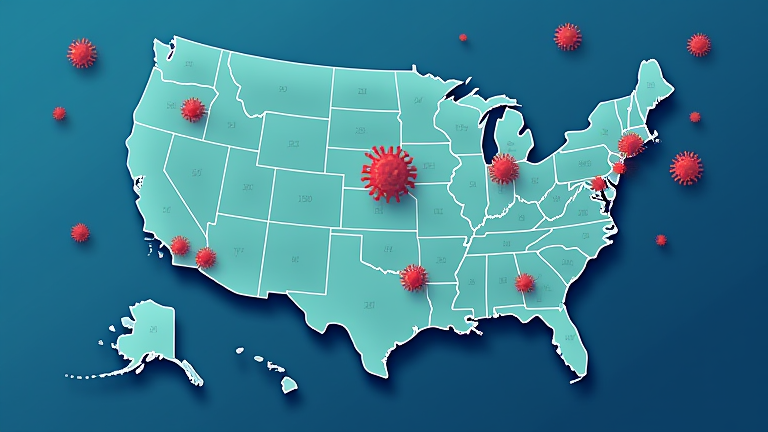
    TL;DR: The CDC reports a resurgence of COVID-19 cases across the United States, driven primarily by new variants and waning immunity. Individuals should prioritize vaccination, masking in high-risk settings, and monitoring local health data to mitigate personal risk effectively.

    The recent uptick in COVID-19 cases across nearly every state signals a need for renewed vigilance among the public health community and individuals alike. While the pandemic has not ended, the nature of the threat has evolved. Understanding how to navigate this landscape is crucial for maintaining health and societal stability. This guide provides actionable steps to protect yourself and your community during this period of increased transmission.

    If you want to dig deeper, check out our guide on Personalized Gene Therapies: Curing Rare Genetic Diseases.

    Step-by-Step Instructions

    First, verify your current vaccination status. Check your health records to determine if you are due for a booster shot. Most experts recommend updating your status every six months or as advised by local health authorities. Schedule your appointment online to minimize wait times and exposure in clinics. Once vaccinated, allow the full recommended waiting period for maximum efficacy before resuming high-risk activities.

    Second, assess your local risk environment. Regularly check the CDC’s dashboard for your specific county’s hospitalization and case rates. If the risk level is moderate or high, implement stricter protective measures. This includes wearing a high-quality mask, such as an N95 or KN95, in crowded indoor spaces. Ensure the mask fits snugly over your nose and mouth to maximize filtration efficiency.

    Third, implement hygiene protocols in your daily routine. Wash your hands frequently with soap and water for at least twenty seconds, especially after being in public spaces. If soap is unavailable, use an alcohol-based hand sanitizer with at least sixty percent alcohol. Avoid touching your face, particularly your eyes, nose, and mouth, with unwashed hands. Clean high-touch surfaces in your home and workplace regularly using EPA-approved disinfectants.

    Essential Tips

    Improve your indoor ventilation by opening windows or using HEPA air purifiers. Good airflow reduces the concentration of viral particles in the air. If you are feeling unwell or have been exposed to someone with symptoms, get tested immediately. Isolate yourself if positive to prevent spreading the virus to vulnerable household members. Stay informed by following reliable sources like the CDC and WHO, avoiding misinformation that can lead to poor health decisions.

    FAQ

    Q: Why are cases rising now?
    A: The rise is attributed to new viral variants that evade previous immunity, seasonal changes affecting behavior, and the natural waning of vaccine-induced protection over time.

    Q: Do I still need to wear a mask?
    A: Yes, especially in indoor public settings, healthcare facilities, or if you are immunocompromised. Masking remains the most effective non-pharmaceutical intervention to reduce transmission risk.

    Q: Where can I find local data?
    A: Visit the CDC’s official website or your local health department’s site for real-time data on case counts, hospitalizations, and positivity rates specific to your region.

    Related Articles