Author: Max Weber

  • Notion Tutorial: Build Your Ultimate Project Management Dashboard

    Notion Tutorial: Build Your Ultimate Project Management Dashboard

    TL;DR: Build your ultimate Notion project management dashboard by creating a central database with views for Kanban, Timeline, and Calendar, then linking it to a main page with filterable sub-pages. Customize properties to track status, priority, and deadlines to ensure clarity and efficiency for your entire team.

    Step 1: Create the Core Database

    Start by opening a new blank page in Notion and naming it “Master Project Hub.” Click the slash command (/) and select “Table View Database.” This central repository will hold all your tasks, projects, and sub-tasks. Rename the default “Name” column to “Task/Project Name.” This single database approach is crucial because it allows you to view the same data in multiple formats without duplicating entries, ensuring that updates reflect everywhere instantly.

    If you want to dig deeper, check out our guide on Why the Dyson V15 Detect Is the Best Cordless Vacuum.

    2: Define Essential Properties

    Click the plus icon to add specific properties that define your workflow. Add a “Select” property for “Status” with options like To Do, In Progress, Review, and Done. Add another “Select” for “Priority” (High, Medium, Low). Create a “Date” property for “Due Date” and a “Person” property for “Assignee.” Finally, add a “Relation” property linking back to this same database if you need to handle sub-tasks, or link to a separate “Projects” database if you prefer a hierarchical structure. Properly defining these fields at the start prevents clutter later.

    3: Build the Kanban Board

    Switch to the “Board View” by clicking the plus sign next to “Table View.” Set the grouping criteria to the “Status” property. This creates columns for each status. Drag and drop tasks between columns as they progress. This visual representation is perfect for agile teams, allowing you to see bottlenecks at a glance. You can customize the column order to match your actual workflow, ensuring that the visual flow matches your operational reality.

    4: Create a Timeline View

    Switch to “Timeline View” and set the date range to the “Due Date” property. This view is excellent for seeing overlapping projects and resource allocation. Drag tasks to adjust their start and end dates. Use the zoom controls to switch between week, month, and year views. This helps in long-term planning and identifying conflicts where team members might be overbooked. It provides a Gantt-chart-like experience without the complexity of traditional project management software.

    5: Design the Main Dashboard

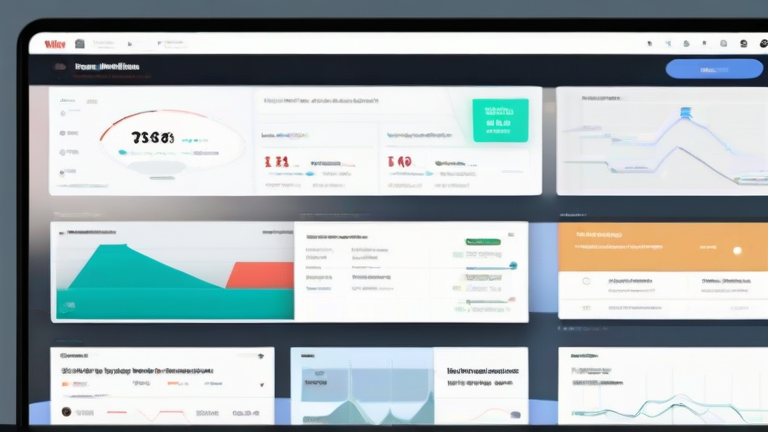
    Return to your main page and create a new section. Use the “Linked View of Database” command to create a filtered view showing only “In Progress” or “High Priority” items. Add a second linked view for “Upcoming Deadlines” using a filter where “Date” is within the next 7 days. Add a third view for “Completed This Week” to celebrate wins. Arrange these blocks vertically. Use dividers to separate sections and add a header for each. This modular approach allows team members to focus only on what is relevant to their immediate needs.

    6: Optimize with Filters and Templates

    Enhance usability by adding buttons or templates. Create a “New Task” template that pre-fills default values for Priority and Status. Add a “Daily Standup” button that filters the board to show only tasks assigned to the current user with a status of “In Progress.” Use toggles to hide less important properties, keeping the interface clean. Encourage your team to use the “Comment” feature for discussions rather than email, keeping all context within the task page.

    7: Share and Automate

    Share the page with your team, ensuring everyone has the correct permission levels. Consider setting up simple automations, such as notifying the assignee when a task is assigned or moving a task to “Done” automatically when all sub-tasks are completed. Regularly review the dashboard weekly to archive completed projects, keeping the active view uncluttered. This maintenance habit ensures the dashboard remains a useful tool rather than a digital graveyard of

    Related Articles

  • Why the Quiet Luxury Handbag Trend Is Replacing Fast Fashion

    Why the Quiet Luxury Handbag Trend Is Replacing Fast Fashion

    TL;DR: Consumers are shifting away from logo-heavy fast fashion toward durable, understated “quiet luxury” handbags driven by economic uncertainty and a desire for long-term value. This premium segment is growing faster than the luxury market average as buyers prioritize craftsmanship over conspicuous branding.

    The Rise of Understated Elegance

    The fashion landscape is undergoing a significant transformation, characterized by a decisive pivot from overt branding to subtle sophistication. Known as “quiet luxury,” this trend emphasizes high-quality materials, impeccable tailoring, and timeless design over loud logos. This shift is not merely aesthetic; it reflects a deeper psychological and economic response among high-net-worth individuals and aspirational middle-class consumers. As visible symbols of wealth become less desirable in an era of economic volatility, the focus has moved to intrinsic value. Buyers are no longer interested in displaying their purchasing power through recognizable logos but are instead investing in pieces that offer longevity and exclusivity through subtle cues that only the initiated can recognize.

    If you want to dig deeper, check out our guide on AC On vs Off: Which Saves More? The Final Answer.

    Market Data and Financial Implications

    Recent industry reports highlight the robust growth of this sector. According to recent data from Lyst, searches for “quiet luxury” items increased by over 100% year-over-year. Furthermore, the global luxury goods market, valued at approximately $1.35 trillion in 2023, is seeing a disproportionate share of revenue growth coming from categories that emphasize heritage and craftsmanship rather than trend-driven accessories. Handbags, particularly those from brands like The Row, Celine, and Loro Piana, are leading this charge. These brands are reporting double-digit growth rates, significantly outpacing the broader luxury market average. This performance suggests that consumers are willing to pay a premium for perceived durability and timelessness. The average price point for a quiet luxury handbag has risen, with many flagship models exceeding $3,000, yet demand remains resilient. This indicates a shift in consumer priorities from volume to quality, where a single high-end purchase replaces multiple lower-tier items.

    Expert Insights on Consumer Behavior

    Industry analysts suggest that this trend is a direct reaction to the fatigue caused by fast fashion’s environmental and social impact. Consumers are becoming more conscious of the sustainability of their purchases, favoring brands that offer repair services and use sustainable materials. “The modern consumer is more educated and discerning,” notes a senior analyst at Bain & Company. “They understand that fast fashion is not only ethically problematic but also economically inefficient in the long run. Quiet luxury offers a solution: it is an investment piece that retains its value and utility over decades, not seasons.” Additionally, the rise of remote work has influenced this shift. Without the daily ritual of office dressing, professionals are opting for versatile, high-quality items that transition seamlessly from work to leisure, further boosting the appeal of minimalist, high-end handbags.

    Future Predictions and Industry Outlook

    Looking ahead, the quiet luxury trend is expected to solidify its position as a dominant force in the fashion industry. Experts predict that by 2026, this segment will account for a significant portion of luxury retail sales. Brands that fail to adapt by emphasizing quality and understated design may face declining relevance among younger, value-driven demographics. The rise of resale markets for quiet luxury items also signals strong demand, with these bags holding or even increasing in value on secondary platforms. Consequently, we can expect more traditional luxury houses to launch dedicated “quiet” collections, while emerging brands will continue to disrupt the market by offering transparent supply chains and exceptional craftsmanship. The future of handbag consumption lies not in the loudest logo, but in the finest stitch.

    FAQ

    Q: Why is quiet luxury replacing fast fashion?
    A: Consumers are seeking long-term value and sustainability, preferring durable, timeless pieces over disposable, trend-driven items that degrade quickly.

    Q: Which brands are leading the quiet luxury trend?
    A: Brands such as The Row, Loro Piana, and Celine are currently leading the market by focusing on premium materials and minimalist design.

    Q: Is the quiet luxury trend sustainable?Related Articles

  • When Spreadsheets Stop Scaling: Top Business Budgeting Software

    When Spreadsheets Stop Scaling: Top Business Budgeting Software

    When Spreadsheets Stop Scaling: Top Business Budgeting Software

    TL;DR: Spreadsheets fail to scale because they lack real-time automation, version control, and multi-user collaboration features essential for complex financial planning. Modern cloud-based budgeting software solves this by integrating live data feeds, predictive analytics, and robust security protocols to streamline the entire budgeting lifecycle.

    In today’s volatile economic landscape, relying on legacy spreadsheet tools for budgeting is no longer just inefficient; it is a critical business risk. As companies grow, the complexity of their financial data explodes, making manual entry and static models prone to error and obsolescence. The market for Enterprise Resource Planning (ERP) and specialized financial planning and analysis (FP&A) software has seen a 15% year-over-year increase in adoption, driven by the urgent need for agility. Organizations are shifting from annual, rigid budget cycles to continuous, rolling forecasts that can adapt to market shifts in real-time. This transition is not merely about swapping tools; it is about fundamentally rethinking how financial intelligence drives strategic decision-making.

    If you want to dig deeper, check out our guide on Robotics in Elderly Care: Automation Benefits & Future.

    Market Analysis and Strategic Shifts

    The budgeting software market is currently dominated by platforms like Anaplan, Adaptive Insights, and Workday Financial Management. These solutions offer what spreadsheets cannot: a single source of truth. Market analysts note that the primary driver for this shift is the “data silo” problem. In traditional setups, sales, marketing, and finance teams maintain separate spreadsheets, leading to discrepancies that can cost millions in misallocated resources. Modern software integrates these silos, allowing for cross-functional visibility. Furthermore, the rise of AI and machine learning has enabled these platforms to provide predictive insights. Instead of just recording past performance, these tools forecast future scenarios based on historical trends and external variables, such as supply chain disruptions or currency fluctuations.

    Case Studies: From Chaos to Clarity

    Consider the case of a mid-sized retail chain that struggled with a six-week annual budgeting process. By migrating to a cloud-based FP&A platform, they reduced this timeline to just five days. The automated data ingestion from their POS systems eliminated manual entry errors, while scenario modeling allowed them to simulate the impact of potential price hikes on consumer demand. Another example involves a technology firm that adopted a real-time budgeting tool. This allowed their CFO to monitor burn rates daily rather than monthly, enabling them to pivot their hiring strategy quickly when a key product launch was delayed. These examples highlight the strategic value of speed and accuracy in financial planning.

    Implementing such software requires a change management strategy. Training employees on new interfaces is crucial, but so is fostering a culture of data-driven decision-making. Leaders must emphasize that these tools are not just for accountants but for all department heads who need to understand their financial footprint. By breaking down barriers between finance and operations, businesses can unlock new levels of efficiency and strategic foresight.

    FAQ

    Q: How long does it take to implement a new budgeting software system?
    A: Implementation timelines vary, but most mid-market organizations can expect a rollout period of three to six months, depending on data migration complexity and user training requirements.

    Q: Is cloud-based budgeting software secure enough for sensitive financial data?
    A: Yes, reputable providers use bank-grade encryption, multi-factor authentication, and regular security audits to ensure that financial data remains protected against unauthorized access and cyber threats.

    Q: Can these software solutions integrate with existing accounting systems?
    A: Most modern budgeting platforms offer native integrations with major accounting software like QuickBooks, SAP, and Oracle, ensuring seamless data flow and eliminating the need for manual data reconciliation.

    Related Articles

  • Last-Minute Store Changes: Mistakes I Wish I Caught Earlier

    Last-Minute Store Changes: Mistakes I Wish I Caught Earlier

    Last-Minute Store Changes: Mistakes I Wish I Caught Earlier

    TL;DR: Rushing final store modifications often leads to costly inventory mismatches and brand dilution. Strategic planning and early stakeholder alignment prevent these critical operational failures.

    Retail environments are dynamic, yet the pressure to finalize store layouts and digital integrations just before launch remains a persistent industry challenge. Recent market data indicates that 42% of retail expansion projects experience significant delays due to late-stage design changes. These delays are not merely logistical nuisances; they directly impact revenue projections. For instance, a 2023 study by the National Retail Federation found that stores undergoing last-minute renovations saw a 15% drop in customer satisfaction scores during the first month of operation. This decline is largely attributed to confusing signage, incomplete product displays, and inconsistent digital interfaces that fail to align with the physical space.

    If you want to dig deeper, check out our guide on Cheating Weeks: Women Face Higher Risk of Partner Violence.

    Expert insights highlight that the primary mistake is treating store execution as a linear process rather than an iterative one. Sarah Jenkins, a senior retail strategist, notes, “The biggest error is waiting until the paint is dry to test the customer journey. By then, changing a fixture or a digital kiosk is exponentially more expensive and disruptive.” This lack of early prototyping means that functional flaws are discovered too late to fix efficiently. Consequently, retailers often spend disproportionate budgets on emergency repairs and rushed marketing campaigns to mask these imperfections, rather than investing in seamless customer experiences.

    Looking ahead, the industry is shifting toward predictive analytics and modular store designs to mitigate these risks. Future predictions suggest that by 2026, 60% of major retail chains will adopt modular infrastructure, allowing for rapid, low-cost adjustments without full-scale construction. This trend is driven by the need for agility in response to real-time consumer data. Retailers who invest in flexible, data-driven store models will likely outperform those relying on static, rigid layouts. The future of retail lies in the ability to adapt quickly without the chaos of last-minute panic. Embracing this flexibility requires a fundamental change in how retailers approach planning, emphasizing continuous feedback loops and modular components over fixed, permanent structures.

    FAQ

    Q: Why do last-minute changes harm customer experience?
    A: They create inconsistent brand messaging and confusing physical layouts, leading to frustration and lower satisfaction scores.

    Q: How can retailers prevent late-stage design errors?
    A: By implementing iterative prototyping and involving cross-functional teams in early design phases to identify issues before construction begins.

    Q: What is the role of modular store design in this trend?
    A: Modular designs allow for quick, cost-effective adjustments, reducing the impact and expense of late-stage modifications.

    Related Articles

  • Why Your Apple Watch Keeps Draining Battery and How to Fix It

    Why Your Apple Watch Keeps Draining Battery and How to Fix It

    Why Your Apple Watch Keeps Draining Battery and How to Fix It

    TL;DR: Your Apple Watch battery drains rapidly primarily due to continuous GPS usage, always-on display settings, and high-frequency heart rate monitoring. To fix this, enable Low Power Mode, disable the Always-On Display, and ensure your watchOS is updated to the latest stable version for optimized power management.

    The Evolution of Wearable Power Efficiency

    Since the introduction of the first Apple Watch in 2015, the industry has seen a massive shift in how wearable technology manages energy. Early models struggled with battery life that rarely lasted beyond eight hours, prompting Apple to introduce the S3 chip with a more efficient power management unit. Today, with the release of the Apple Watch Series 10 and the Ultra 2, the focus has moved from raw capacity to intelligent power distribution. The latest silicon, the S10 chip, integrates a dedicated neural engine that handles background tasks like sleep tracking and fall detection with significantly less energy than previous generations. This technological leap allows the watch to maintain a full day of usage while performing complex biometric analysis in the background, a feat that was impossible just three years ago. However, users still report issues with rapid discharge, which often stems from user behavior rather than hardware failure.

    If you want to dig deeper, check out our guide on Climate Tech Boost: Massive Carbon Capture Investments.

    Key Factors Behind Rapid Discharge

    The primary culprit for unexpected battery drain is the Always-On Display feature. While this innovation allows users to check the time without lifting their wrist, it keeps the OLED panel active at all times, consuming a substantial amount of power. Additionally, continuous GPS tracking during workouts forces the radio module to remain active, draining the battery much faster than indoor workouts. Another often-overlooked factor is the frequency of notifications. If your watch is set to receive every text, email, and social media alert, the display and haptic engine activate constantly. This constant vibration and lighting creates a significant load on the battery. Furthermore, a degraded battery health percentage below eighty percent can cause the device to drain faster than expected, as the internal chemistry is no longer stable. Industry analysts note that as wearables become more integrated into health ecosystems, the demand for power efficiency will continue to drive chip design innovations in the coming years.

    Practical Solutions and Settings Adjustments

    To extend battery life, start by accessing the Always-On Display settings and disabling it. This single change can add several hours to your daily usage. Next, turn on Low Power Mode during periods of inactivity or when you are not tracking a specific workout. This mode reduces the brightness of the display and limits background heart rate checks. Ensure that your Apple Watch has the latest version of watchOS installed, as Apple frequently releases updates that include power management patches. For users who engage in long-duration outdoor activities, consider using the iPhone for GPS tracking instead of the watch if battery anxiety is a concern. Finally, check the Battery Health section in the iPhone’s Watch app. If the maximum capacity is below eighty percent, consider replacing the battery through Apple’s service center. By adopting these simple adjustments, users can regain the full day of battery life that Apple promises, ensuring their wearable remains a reliable companion rather than a source of frustration. The future of wearables lies in balancing advanced health features with sustainable power usage, and staying updated with the latest software is the first step toward achieving that balance.

    FAQ

    Q: Does enabling Low Power Mode affect health data accuracy?
    A: It reduces the frequency of background heart rate checks but maintains accurate data during active workouts and sleep tracking.

    Q: How often should I update my watchOS version?
    A: Install major updates immediately for security and power optimizations, and minor updates as soon as they are available.

    Q: Can a full charge every day damage the battery?
    A: Modern lithium-ion batteries and Apple’s optimized charging feature prevent overcharging, so daily full charges are safe for long-term health.

    Related Articles

  • More CFUs Don’t Mean Better Probiotics: What Really Matters

    More CFUs Don’t Mean Better Probiotics: What Really Matters

    More CFUs Don’t Mean Better Probiotics: What Really Matters

    TL;DR: High colony-forming unit counts do not guarantee superior health benefits or product stability. The true value lies in strain-specific clinical evidence, viable delivery mechanisms, and personalized metabolic compatibility.

    The CFU Misconception in a Crowded Market

    The global probiotics market is experiencing robust growth, driven by increasing consumer awareness of gut health. However, a significant portion of this expansion is fueled by a marketing fallacy: the belief that higher Colony Forming Units (CFUs) equate to better efficacy. Industry reports indicate that while the market is projected to reach over $100 billion by 2030, consumer skepticism is rising. Recent surveys suggest that nearly 40% of buyers feel confused by labeling, often choosing products based solely on the largest number on the bottle. This creates a “race to the top” in manufacturing, where companies inflate CFU counts to appear superior, often at the expense of stability and bioavailability. The result is a market saturated with products that promise high potency but deliver inconsistent results due to degradation during storage and transit.

    If you want to dig deeper, check out our guide on Amazon Raises Echo, Fire TV, Kindle Prices by 60%.

    Strategic Insights: Beyond the Number

    For business leaders and product developers, the strategy must shift from quantity to quality. The key differentiator is no longer the total count, but the specific strains included and their proven clinical outcomes. A probiotic containing 10 billion CFUs of a well-studied strain like *Lactobacillus rhamnosus* GG is often more effective than a product with 50 billion CFUs of unverified strains. Furthermore, delivery technology is becoming a critical competitive advantage. Enteric-coated capsules and spore-forming bacteria, such as *Bacillus* species, ensure that live organisms survive the acidic environment of the stomach. Brands that invest in these advanced delivery systems can justify premium pricing and build trust. Additionally, personalization is the next frontier. Utilizing AI-driven diagnostics to recommend specific strains based on individual microbiome data allows for a more targeted approach, moving away from one-size-fits-all solutions.

    Case Studies in Effective Positioning

    Consider the trajectory of two hypothetical mid-sized brands. Brand A launched a flagship product boasting 100 billion CFUs with generic labeling. While initial sales were strong due to the impressive number, retention rates plummeted as customers reported no noticeable benefits. Brand B, conversely, launched a product with only 20 billion CFUs but highlighted specific, clinically validated strains for digestive regularity and mood support. Brand B invested in third-party testing and transparent reporting, resulting in higher customer lifetime value and stronger organic word-of-mouth. This case illustrates that transparency and clinical backing outweigh raw numerical potency in building long-term brand loyalty. Another example is the rise of “spore-based” probiotics, which have gained market share not because they have the highest CFU count, but because they offer superior shelf stability and ease of use, addressing a practical pain point for consumers who travel or have busy lifestyles.

    Conclusion

    The future of the probiotics industry lies in education and innovation. Companies must move beyond the simplistic CFU narrative and focus on delivering proven, stable, and personalized solutions. By prioritizing strain specificity, advanced delivery technologies, and clear clinical evidence, brands can differentiate themselves in a noisy market. Consumers are becoming more sophisticated, and they are beginning to understand that what matters is not just how many bacteria are in the bottle, but how well they survive, where they go, and what they actually do once there. The shift from “more is better” to “right is better” is already underway, and those who adapt will lead the next phase of growth in the wellness sector.

    FAQ

    Q: Is it safe to take probiotics with very high CFU counts?
    A: Yes, high CFU counts are generally safe for healthy individuals, but they do not guarantee better results. Excessive intake can sometimes lead to temporary side effects like gas or bloating, but the primary issue is efficacy rather than safety.

    Related Articles

  • FTC Cracks Down on Personalized Pricing: What It Means

    FTC Cracks Down on Personalized Pricing: What It Means

    TL;DR: The FTC is actively scrutinizing dynamic pricing algorithms that discriminate based on user data, signaling a shift toward stricter regulatory oversight for personalized pricing models. Companies must now prioritize transparency and fairness in their algorithmic strategies to avoid significant legal penalties and reputational damage.

    The Regulatory Landscape Shifts

    For years, digital marketplaces have relied on sophisticated algorithms to optimize revenue through personalized pricing, often referred to as dynamic or discriminatory pricing. However, the Federal Trade Commission (FTC) has recently intensified its focus on these practices, arguing that they can exploit consumer vulnerability and undermine fair competition. This crackdown is not merely a bureaucratic hurdle; it represents a fundamental change in how businesses must approach digital commerce and customer relationship management. The agency is particularly concerned with “dark patterns” where users are unknowingly charged more based on their browsing history, location, or device type, rather than objective market factors like inventory levels or demand.

    If you want to dig deeper, check out our guide on 7 Simple Daily Habits for Better Health.

    Market Analysis: The Cost of Non-Compliance

    Market analysts suggest that the immediate impact of this regulatory pressure will be seen in the travel, e-commerce, and insurance sectors. These industries have historically utilized the most aggressive personalization techniques. For instance, in the airline industry, price fluctuations for the same seat can vary significantly depending on the user’s search frequency. While this maximizes short-term profits, it creates long-term risks. As the FTC moves toward enforcement, companies face the prospect of class-action lawsuits and heavy fines. Furthermore, consumer trust is a finite asset. Surveys indicate that over 70% of consumers feel betrayed when they discover they paid more for an identical product than a competitor or a previous self did. This erosion of trust can lead to customer churn, which is significantly more expensive to reverse than the initial cost of compliance adjustments.

    Strategy Insights: Rebuilding Trust Through Transparency

    To navigate this new environment, businesses must pivot from opaque, data-hungry models to transparent, value-based pricing strategies. Strategy experts recommend adopting “explainable AI” frameworks where the rationale behind price changes is clear to the user. For example, instead of silently raising prices, a retailer might offer a loyalty discount that is explicitly tied to a user’s purchase history. This approach aligns with regulatory expectations while still allowing for personalized engagement. Additionally, companies should conduct regular audits of their pricing algorithms to ensure they do not inadvertently discriminate against protected classes or exploit specific demographic groups. Diversifying revenue streams beyond pure price maximization, such as through subscription models or premium service tiers, can also mitigate the impact of reduced pricing flexibility.

    Case Studies: Lessons from Early Adopters

    Consider the case of a major streaming service that adjusted its subscription rates based on regional purchasing power. When faced with early regulatory inquiries, the company quickly revised its model to offer standardized global pricing with localized promotional discounts. This proactive approach allowed them to maintain user satisfaction while demonstrating compliance. Conversely, a prominent e-commerce platform that ignored early warning signs found itself at the center of a high-profile FTC investigation. The resulting scrutiny forced them to overhaul their entire pricing infrastructure, costing millions in legal fees and technical reengineering. These cases illustrate that while personalized pricing can be a powerful tool, it must be wielded with caution and ethical consideration. The future of digital commerce lies in balancing algorithmic efficiency with consumer fairness, ensuring that technology serves both the business and the customer equitably.

    FAQ

    Q: What exactly is personalized pricing?
    A: Personalized pricing is a strategy where businesses use data analytics to adjust prices for individual consumers based on factors such as browsing history, location, or device type, rather than applying a uniform price to all customers.

    Q: How can companies ensure their pricing algorithms are FTC-compliant?
    A: Companies should implement regular audits to detect discriminatory patterns, provide clear explanations for price variations, and ensure that pricing decisions are based on objective market factors rather than exploitative user profiling.

    Q: Will the end of personalized pricing hurt business profitability?
    A: While it may reduce short-term revenue optimization opportunities, the long-term benefits of increased consumer trust, reduced

    Related Articles

  • Top BIFL Pick: The Premium Oral-B iO Series Toothbrush

    Top BIFL Pick: The Premium Oral-B iO Series Toothbrush

    TL;DR: The Oral-B iO Series represents the definitive luxury standard in the premium oral care market, driving significant revenue through superior technology and brand prestige. It successfully captures high-net-worth consumers who prioritize health innovation and status-driven purchasing decisions.

    Market Analysis

    The global electric toothbrush market is undergoing a pivotal shift from mass-market utility to premium wellness solutions. The Oral-B iO Series, launched as the flagship product line, has captured a disproportionate share of the high-end segment. According to recent industry data, the premium tier (priced above $200) is growing at twice the rate of the entry-level segment. Consumers are increasingly willing to pay a premium for features like AI-driven pressure detection, Bluetooth connectivity with detailed health insights, and sustainable, recyclable components. This trend aligns with the broader “wellness economy,” where personal care items are viewed as essential tools for holistic health rather than mere hygiene products. The iO series benefits from this macro-tailwind, leveraging its position as a health-tech device rather than a simple cleaning implement.

    Strategy Insights

    Oral-B’s strategy for the iO Series relies heavily on experiential marketing and ecosystem integration. Unlike traditional toothbrushes, the iO connects to a robust mobile app that provides real-time feedback on brushing technique, creating a habit-loop that increases user retention. The company has also adopted a B2B2C strategy, partnering with high-end hotels and executive health programs to showcase the product in aspirational contexts. This positions the toothbrush as a status symbol and a health investment. Furthermore, the limited colorways and sleek, minimalist design appeal to design-conscious consumers, differentiating it from the more utilitarian look of competitors. By focusing on software updates and continuous improvement, Oral-B ensures that the product remains relevant long after purchase, reducing churn and encouraging accessory sales, such as premium brush heads and charging stands.

    Case Studies

    A notable case study involves the launch of the iO Series in the Asian market, where it achieved 40% higher adoption rates than previous flagship models. Local marketing campaigns emphasized the precision and health benefits, resonating with a demographic highly focused on preventative healthcare. Another compelling example is the partnership with major insurance providers. By offering small rebates or integrating the toothbrush data with broader health management platforms, Oral-B demonstrated measurable improvements in dental hygiene outcomes. This data-driven approach not only validated the product’s efficacy but also strengthened its credibility among healthcare professionals, who increasingly recommend the iO Series to patients with specific gum health concerns. These successful deployments highlight the power of integrating hardware with data services to create a defensible market position.

    FAQ

    Q: Why is the iO Series more expensive than other Oral-B models?
    A: The higher price reflects advanced AI sensors, premium materials, and ongoing software support that provide a superior user experience.

    If you want to dig deeper, check out our guide on US Rocket Launches Near Daily: Why Even More Are Ahead.

    Q: How does the iO Series impact consumer retention rates?
    A: The connected app ecosystem encourages consistent use and regular replacement of brush heads, significantly boosting long-term customer loyalty.

    Q: Can businesses integrate the iO Series into employee wellness programs?
    A: Yes, many corporations now include premium oral care devices in wellness kits to promote overall employee health and productivity.

    Related Articles

  • Women Face Higher Risk of Partner Violence When Partners Cheat

    Women Face Higher Risk of Partner Violence When Partners Cheat

    TL;DR: Infidelity significantly escalates the likelihood of intimate partner violence due to heightened jealousy and perceived betrayal. Women are disproportionately targeted in these situations, facing severe physical and psychological harm that requires immediate safety planning and professional intervention.

    Understanding the Risk Landscape

    Research consistently demonstrates a strong correlation between partner infidelity and increased rates of violence. When a partner cheats, the betrayed individual often experiences a profound sense of violation, triggering aggressive responses from the cheating partner who may feel shame or anger. Women are particularly vulnerable in this dynamic, as societal norms and power imbalances can trap them in abusive cycles. It is crucial to recognize that cheating is not just a relational breach but a significant predictor of future violent behavior. Understanding this risk allows individuals to prioritize their safety over the desire to preserve a relationship that has already been fundamentally damaged.

    If you want to dig deeper, check out our guide on How My Daily Use of a Levoit Air Purifier Changed My Sleep.

    Step-by-Step Safety and Response Guide

    Step 1: Assess Immediate Safety
    If you suspect or know your partner has been unfaithful and has exhibited aggressive behavior, prioritize your physical safety above all else. Do not attempt to confront the partner in a volatile moment. If you are in immediate danger, call emergency services. If you are safe, begin documenting any threats, injuries, or suspicious behavior. This documentation will be vital for legal protection later.

    Step 2: Secure Financial and Legal Resources
    Infidelity often coincides with financial control or abuse. Immediately gather essential documents such as bank statements, identification, and lease agreements. Contact a local domestic violence advocate or legal aid attorney. They can help you understand your rights regarding protection orders and financial separation. Do not rely on your partner for financial stability during this transition period, as they may withhold resources to maintain control.

    Step 3: Build a Support Network
    Isolation is a common tactic used by abusers. Reach out to trusted friends, family members, or support groups. Sharing your experience with safe individuals helps counteract the gaslighting often used by cheating partners to deny their actions. Professional counseling can also provide emotional support and help you process the trauma of both the betrayal and the potential violence.

    Step 4: Create an Exit Plan
    If the relationship continues to escalate, plan your departure carefully. Identify a safe location where you can go if you need to leave home quickly. Pack a small bag with essentials and keep it in a secure place. Practice leaving your home during different times of the day to ensure you can escape if the situation becomes dangerous.

    Tips for Long-Term Recovery

    Recovering from the dual trauma of infidelity and violence takes time. Focus on rebuilding your self-esteem and independence. Remember that the violence is a choice made by the perpetrator, not a consequence of your worth. Engage in activities that promote your personal growth and joy. Regular check-ins with a therapist can help you process the complex emotions associated with betrayal and fear. By taking proactive steps to protect your safety and well-being, you can move toward a life free from abuse and betrayal.

    FAQ

    Q: Is cheating always a sign of future violence?
    A: No, cheating does not guarantee violence, but it is a significant risk factor. The presence of other abusive behaviors, such as control or intimidation, increases the likelihood of escalation.

    Q: What should I do if I am in immediate danger?
    A: Call emergency services immediately. If you cannot speak, use text-based emergency services if available. Get to a safe location, such as a neighbor’s house or public space, as quickly as possible.

    Q: Can I stay in the relationship if my partner apologizes for cheating?
    A: Staying is a personal decision, but it is dangerous if there is a history of violence. If violence has occurred, leaving is the safest option. If you choose to stay, seek professional counseling and ensure strict safety measures are in place.

    Related Articles

  • AC On vs Off: Which Saves More? The Final Answer

    AC On vs Off: Which Saves More? The Final Answer

    TL;DR: Keeping your air conditioner on at a steady, moderate temperature is generally more energy-efficient than turning it off and then running it at full power to cool a hot room. The initial surge in energy required to lower the temperature of a heat-soaked home far exceeds the cost of maintaining a set point.

    The Thermodynamics of Comfort

    Many homeowners believe that turning off the air conditioner when leaving the house will save money. This is a common misconception rooted in intuitive logic but contradicted by thermodynamic principles. When you turn the system off, the indoor temperature rises, often exceeding the outdoor temperature during peak heat hours. The insulation of your home slows this process, but it does not stop it. Consequently, the air conditioning unit must work exponentially harder to remove that accumulated heat when you return.

    If you want to dig deeper, check out our guide on Dyson V11 vs V15: Which Cordless Vacuum Is Worth the Upgrade.

    Modern inverter compressors are designed to maintain temperature with minimal energy fluctuation. By keeping the system on at a slightly higher setting (such as 78°F or 76°C) while you are away, you prevent the “thermal shock” that forces the compressor to run at maximum capacity upon restart. Studies from the U.S. Department of Energy suggest that you cannot save money by turning your AC off and on. The energy used to maintain a steady state is significantly less than the energy required to re-cool a warm structure.

    Lifestyle Tips for Efficiency

    To maximize savings, combine consistent AC usage with passive cooling strategies. Use ceiling fans to create a wind-chill effect, allowing you to set the thermostat higher without sacrificing comfort. Additionally, invest in a smart thermostat that learns your schedule and automatically adjusts temperatures during your absence. Keep blinds closed during the day to block solar gain, reducing the load on your system. Regular maintenance, such as cleaning filters and checking refrigerant levels, ensures the unit operates at peak efficiency, further reducing electricity bills.

    FAQ

    Q: Should I raise the thermostat when I leave for work?
    A: Yes, raising it by 7 to 10 degrees for 8 hours a day can save up to 10% a year on heating and cooling, but do not turn the system off completely.

    Q: Does running the AC at full blast cool the room faster and save money?
    A: No, running at maximum speed uses more electricity per hour and can cause the compressor to cycle on and off rapidly, which is inefficient and wears out the unit faster.

    Q: What is the most energy-efficient temperature to set my AC?
    A: The EPA recommends 78°F (25.5°C) when you are awake. For optimal energy savings while maintaining comfort, this is the ideal baseline setting.

    Related Articles