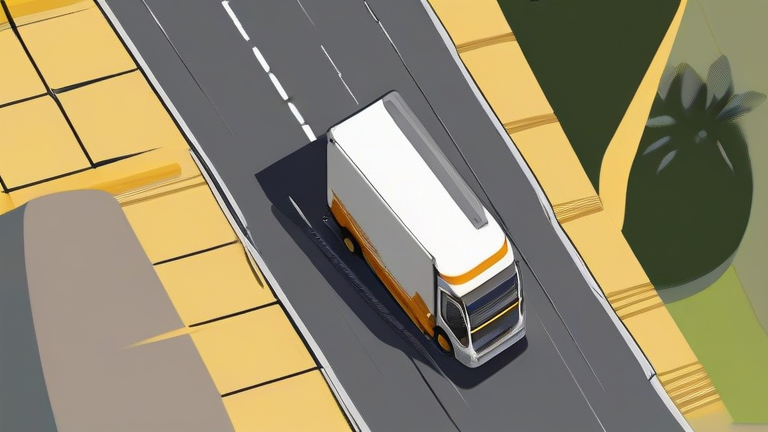
Autonomous Cargo Drones: Reshaping Suburban Last-Mile Delivery
TL;DR: Autonomous cargo drones are transforming suburban last-mile delivery by utilizing aerial routes to bypass ground traffic, significantly reducing transit times. They offer a scalable, eco-friendly solution that enhances efficiency for retailers and convenience for consumers in residential areas.
Understanding the Technology
Before diving into the operational aspects, it is crucial to understand the core components of modern autonomous drones. These are not merely remote-controlled aircraft but sophisticated robots equipped with LiDAR sensors, GPS systems, and computer vision algorithms. They navigate complex suburban environments by identifying no-fly zones, avoiding obstacles like trees and power lines, and maintaining stable flight paths despite wind interference.
Step-by-Step Implementation Guide
Implementing drone delivery in suburban zones requires a structured approach. First, conduct a feasibility study to map out optimal flight paths and identify suitable launch and landing sites. Ensure these sites have sufficient space and clear line-of-sight access. Second, partner with local authorities to obtain necessary permits and adhere to aviation regulations, such as those set by the FAA in the United States. Third, integrate the drone fleet with your existing logistics software. This involves creating a digital twin of the delivery zone to simulate flight patterns and optimize battery usage. Finally, pilot the program in a limited area to gather data on safety, speed, and customer satisfaction before scaling up.
Operational Tips for Success
Maximize efficiency by leveraging daytime hours for deliveries, as natural light enhances camera performance and reduces the risk of collision. Implement robust cybersecurity protocols to protect drone data and prevent hacking attempts. Train ground staff to handle emergency landings and maintenance tasks, ensuring that minor technical issues do not halt operations. Additionally, communicate transparently with suburban residents about noise levels and safety measures to build community trust. Regularly update firmware to incorporate the latest safety features and navigation improvements.
Addressing Challenges
One of the primary hurdles is battery life. Current lithium-ion batteries limit flight ranges, so strategic placement of charging hubs is essential. Another challenge is weather dependency. Develop contingency plans for bad weather, such as rerouting packages to nearby ground delivery stations. Privacy concerns are also significant; ensure that drones operate at altitudes that respect residential privacy and use encrypted data transmission for any visual information collected during flight.
FAQ
Q: Are autonomous cargo drones safe for suburban neighborhoods?
A: Yes, when operated according to strict regulatory guidelines, they are safe. Modern drones are equipped with redundant safety systems, including geofencing, obstacle avoidance, and automatic return-to-home features, minimizing the risk of accidents.
Q: How much can drone delivery reduce shipping costs?
A: While initial setup costs are high, long-term operational costs are significantly lower. By eliminating driver wages and fuel costs, and reducing package handling time, companies can achieve up to 30% cost savings in last-mile delivery over time.
Q: What is the maximum payload capacity for most commercial delivery drones?
A: Most current commercial models can carry between 5 to 10 kilograms, which is sufficient for standard e-commerce packages. Future advancements in battery technology and aerodynamics are expected to increase this capacity further.
Leave a Reply