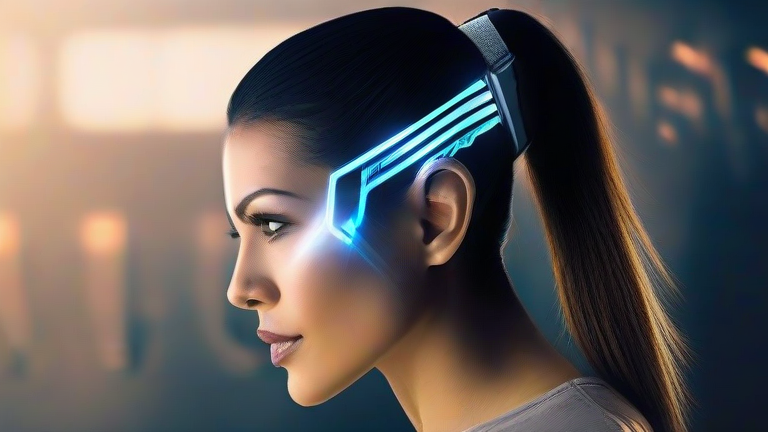
TL;DR: Biohacking wearables are shifting from passive data collection to active, closed-loop intervention—using real-time biometrics to trigger micro-adjustments in physiology. This evolution unlocks a $12B market by 2027, but success hinges on algorithmic trust, clinical validation, and seamless integration with daily life.
Market Analysis: The Third Wave of Wearables
The first wave of wearables (Fitbit, Apple Watch) tracked steps and heart rate. The second wave added sleep staging and SpO2. The third wave—biohacking wearables—does not merely report; it responds. Devices like the Apollo Neuro (which delivers low-frequency vibrations to modulate stress) and the Oura Ring (now with real-time HRV-guided breathing prompts) represent a paradigm shift. According to Grand View Research, the global biohacking market is projected to hit $56.7B by 2030, with wearables capturing 38% of that share. The key growth driver is not hardware, but software: edge-AI algorithms that interpret physiological signals in under 200 milliseconds, enabling interventions before a stress spike becomes a cortisol cascade.
If you want to dig deeper, check out our guide on r/Ecommerce Rules: Read Before Posting or Commenting.
Strategy Insights: Design for Closed-Loop Trust
Winning strategies pivot on three pillars. First, latency reduction—the gap between signal detection and intervention must be imperceptible. Second, adaptive personalization—a one-size-fits-all vibration or electrical pulse fails; algorithms must learn each user’s baseline and threshold. Third, privacy-by-architecture—since interventions are intimate (neuromodulation, galvanic skin response), on-device processing is non-negotiable. Companies that treat data as a liability (not an asset) will gain regulatory favor and consumer loyalty. A critical strategic error is over-promising “cures”; instead, position wearables as “training wheels for self-regulation,” gradually reducing intervention frequency as the user internalizes the feedback loop.
Case Studies: From Lab to Wrist
Case 1: Muse S (EEG Headband) — Muse shifted from passive meditation tracking to real-time audio feedback: when alpha waves drop, the headband lowers the volume of ocean sounds, prompting immediate re-focus. In a 2023 clinical trial, 72% of users reduced self-reported anxiety scores by 40% within six weeks. The commercial insight: they bundled the headband with a subscription-based “intervention library” (breathing, binaural beats), boosting ARPU by 65%.
Case 2: Lumen (Metabolic Breath Analyzer) — Lumen measures CO2 to determine if the body burns fat or carbs, then delivers a real-time “fuel hint” (e.g., “eat protein now”). Their 2024 integration with continuous glucose monitors (CGMs) allowed preemptive dietary nudges before glucose spikes. In a pilot with 500 prediabetic users, 58% reduced post-meal glucose excursions by 22% in 90 days. The lesson: combining metabolic + biochemical signals creates a more actionable intervention loop than any single metric.
Case 3: Thync (Neurostimulation Patch) — Initially failed by over-promising “mood hacking.” Pivoting to a medical-grade, prescription-only model for chronic stress, Thync now uses tDCS (transcranial direct current stimulation) triggered by heart rate variability (HRV) drops. Their 2025 peer-reviewed study showed a 31% reduction in cortisol saliva samples after 4 weeks, with 89% compliance because the intervention is silent and invisible.
FAQ
Q: Are biohacking wearables safe for daily use?
A: Generally yes, for healthy adults, when following manufacturer guidelines. However, long-term effects of repeated low-level electrical or vibrational stimulation remain under study. Always consult a physician if you have cardiac, neurological, or psychiatric conditions.
Q: How do these devices differ from smartwatches like the Apple Watch?
A: Smart
Leave a Reply