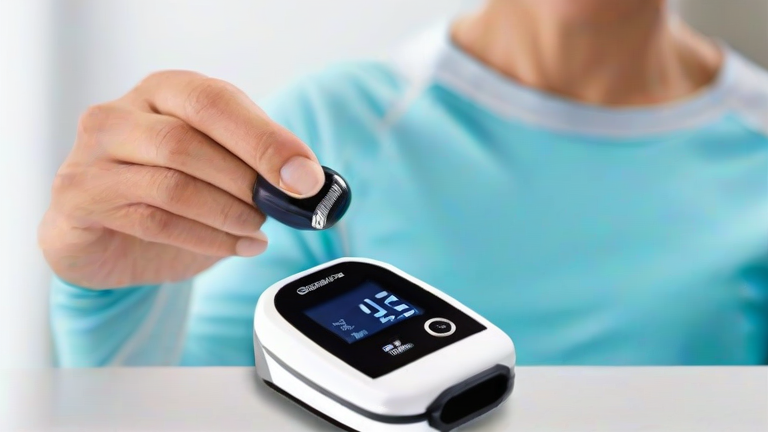
Continuous Glucose Monitors Go Mainstream: What You Need to Know
TL;DR: Continuous glucose monitors (CGMs) are rapidly transitioning from niche medical devices for insulin-dependent diabetics to essential health tools for the broader population. This shift is driven by significant cost reductions, insurance coverage expansions, and growing consumer interest in preventive health and metabolic optimization.
The Market Shift
The landscape of diabetes management is undergoing a profound transformation. According to recent industry reports, the global CGM market is projected to exceed $15 billion by 2028, growing at a compound annual rate of nearly 15%. This surge is not merely due to new users with Type 1 diabetes but is largely fueled by the expanding adoption among those with Type 2 diabetes and individuals managing prediabetes. Manufacturers like Dexcom, Abbott, and Medtronic have aggressively targeted this wider demographic, offering freestanding apps that do not require insulin pumps. This decoupling of glucose data from insulin delivery has been a critical catalyst for mainstream acceptance, allowing anyone to track their metabolic response to food, exercise, and stress in real-time.
Expert Insights on Adoption
Healthcare professionals note that the primary barrier to entry was no longer the technology itself, but the cost. Dr. Elena Rossi, a clinical endocrinologist, states, “We are seeing a democratization of data. Patients are no longer just reacting to high blood sugar; they are proactively managing their lifestyle based on granular, real-time insights.” Insurance policies are increasingly covering CGMs for Type 2 diabetes patients, removing the financial hurdle for millions. Furthermore, the rise of “wellness” culture has created a new consumer segment. Individuals without a diabetes diagnosis are purchasing these devices to optimize their health, a trend supported by emerging research on the benefits of stable blood glucose levels for cognitive function and energy stability.
Future Predictions
Looking ahead, the next five years will likely see CGMs becoming as ubiquitous as fitness trackers. Industry analysts predict the integration of CGM data with broader health platforms, such as Apple Health or Garmin, to create holistic health profiles. We can expect the development of closed-loop systems that not only monitor glucose but also automatically adjust insulin delivery or even non-invasive interventions. Additionally, the cost of sensors is expected to drop below $100 per month, making them accessible to the general public. As data accumulates, AI algorithms will become more sophisticated, offering personalized dietary recommendations and early warning systems for metabolic disorders before they manifest as chronic conditions. The future of CGMs is not just about managing disease, but about empowering individuals to take control of their metabolic health proactively.
FAQ
Q: Are CGMs accurate enough for general health tracking?
A: Yes, modern CGMs have reached an accuracy level comparable to traditional fingerstick tests, making them reliable for both medical management and general wellness monitoring.
If you want to dig deeper, check out our guide on Carbon-Negative Data Centers: Sustainable Tech Solutions.
Q: Do I need a prescription to buy a CGM?
A: While most manufacturers sell directly to consumers in many regions, some may require a prescription depending on local regulations and specific insurance reimbursement requirements.
Q: How often do I need to replace a CGM sensor?
A: Most current-generation CGM sensors are designed to last between 7 and 14 days, with some newer models extending this window up to 21 days for improved convenience.
Leave a Reply