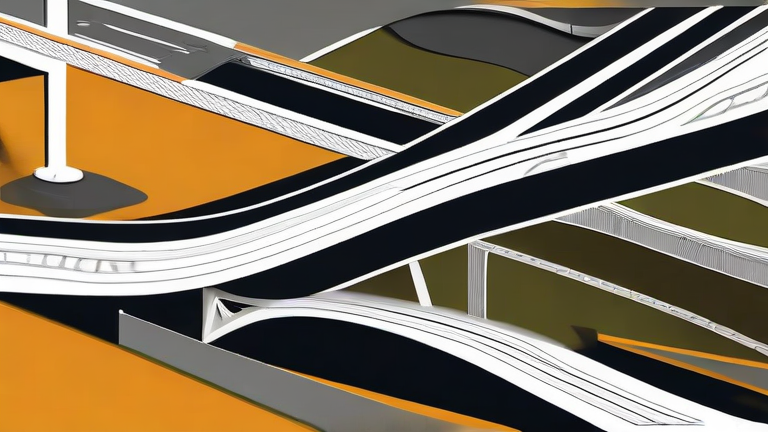
Generative Design: Reshaping Urban Infrastructure Planning
TL;DR: Generative design transforms urban planning by using algorithmic processes to optimize infrastructure efficiency and sustainability. It enables planners to explore thousands of viable solutions rapidly, resulting in cost-effective and resilient cityscapes.
Urban infrastructure planning has traditionally relied on manual drafting and limited simulation capabilities. This approach often leads to suboptimal resource allocation and rigid designs that fail to adapt to changing environmental conditions. Generative design software represents a paradigm shift, leveraging artificial intelligence and computational power to generate multiple design iterations based on specific constraints and objectives. By automating the creative process, these tools allow city planners to focus on strategic decision-making rather than repetitive technical tasks. The result is infrastructure that is not only functional but also innovative and environmentally responsible.
If you want to dig deeper, check out our guide on 7 Evidence-Based Health Tips That Actually Work.
Feature Highlights
The core strength of generative design platforms lies in their ability to handle complex multi-objective optimization. Users can define parameters such as material costs, energy efficiency, traffic flow, and aesthetic preferences. The software then generates hundreds or thousands of potential layouts, each scored against the defined criteria. One standout feature is real-time simulation integration. Planners can visualize how different design options perform under various stress tests, including extreme weather events or population growth. This predictive capability is crucial for creating resilient infrastructure. Additionally, these platforms offer seamless interoperability with existing CAD and BIM software, ensuring that generative concepts can be easily translated into buildable models. The user interface is designed to be intuitive, allowing non-technical stakeholders to engage with the design process and provide meaningful feedback.
Comparisons
When compared to traditional CAD tools, generative design platforms offer a significant advantage in speed and scope. While CAD excels at precise manual detailing, it lacks the capacity to explore vast design spaces quickly. Traditional methods are linear and sequential, whereas generative design is iterative and parallel. Furthermore, compared to basic simulation tools, generative design integrates the simulation directly into the design generation process. This closed-loop system allows for immediate feedback, enabling rapid refinement. For example, a traditional workflow might take months to optimize a bridge design for load capacity, while a generative approach can achieve similar results in days. The cost difference is also notable, as reduced trial-and-error leads to fewer revisions and lower overall project budgets. However, it is important to note that generative design complements, rather than replaces, human expertise. It serves as a powerful amplifier of human creativity and judgment.
Adopting generative design is no longer a futuristic concept but a practical necessity for modern urban development. Municipalities and private developers who invest in these technologies are positioning themselves for long-term success in a competitive landscape. The initial investment in software and training is quickly offset by the savings in material costs and construction time. By embracing this technology, cities can create infrastructure that is more sustainable, efficient, and adaptable to future needs.
Ready to revolutionize your urban planning projects? Explore our comprehensive guide on implementing generative design in your workflow. Download the free whitepaper today to discover case studies from leading cities and learn how to start your transformation journey.
FAQ
Q: Is generative design only for large-scale projects?
A: No, it is scalable. While often used for major infrastructure, it is also beneficial for smaller projects like park layouts or local road networks, offering efficiency gains regardless of scale.
Q: How much does it cost to implement these tools?
A: Costs vary based on software licensing and training requirements. Most platforms offer tiered pricing models, making them accessible to both large firms and smaller consultancies.
Q: Can I use generative design if I lack technical expertise?
A: Yes, modern interfaces are designed to be user-friendly. However, basic understanding of design constraints and objectives is necessary to input meaningful parameters for the algorithm.
Leave a Reply