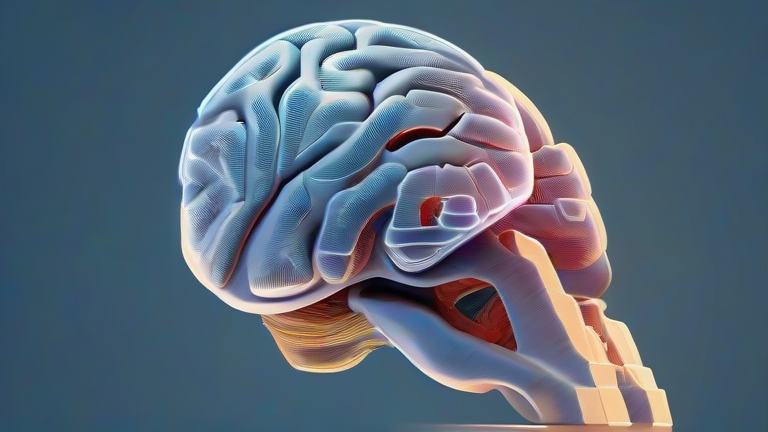
How Brain-Computer Interfaces Aid Paralysis Patients
For decades, the dream of directly connecting the human mind to external machines was the stuff of science fiction. Today, however, Brain-Computer Interfaces (BCIs) have transitioned from theoretical concepts to life-changing medical realities. By bypassing damaged spinal cords and translating neural signals into digital commands, BCIs are restoring mobility, communication, and independence to patients suffering from severe paralysis. This technological leap represents not just an engineering triumph, but a profound shift in how we understand the relationship between biology and technology.

The latest developments in this field have moved beyond simple cursor control. Recent clinical trials have demonstrated the ability to restore complex motor functions. For instance, researchers have successfully implanted high-density electrode arrays into the motor cortex, allowing quadriplegic patients to control robotic limbs with remarkable precision. These systems do not merely react; they adapt. Advanced machine learning algorithms analyze the firing patterns of thousands of neurons in real-time, decoding the user’s intention to grasp, lift, or manipulate objects. This level of nuance allows patients to perform daily tasks, such as drinking from a cup or typing on a virtual keyboard, with a fluidity that was previously unimaginable.
If you want to dig deeper, check out our guide on Top 10 Tech Trends Reshaping the Future in 2024.
From a technical specification standpoint, modern BCIs are characterized by their high channel counts and wireless transmission capabilities. Early iterations required cumbersome wired connections that limited patient mobility. The new generation of devices utilizes miniaturized telemetry systems that transmit data securely via Bluetooth or proprietary radio frequencies. Furthermore, advancements in biocompatible materials have significantly reduced the risk of immune rejection and scar tissue formation around the implant. These materials ensure that the electrodes remain stable and sensitive for years, providing a consistent signal quality that is crucial for long-term therapeutic use. The latency has also been reduced to mere milliseconds, creating a seamless feedback loop that makes the robotic limb feel like a natural extension of the body.
The industry impact of these breakthroughs is substantial and far-reaching. Major technology corporations, alongside specialized biotech startups, are investing billions into neurotechnology. This influx of capital is accelerating research and development, leading to faster regulatory approvals and broader clinical accessibility. The competition is driving innovation in areas
Leave a Reply