
How Remote Work Hubs Drive Growth in Secondary Cities
The digital nomad revolution has fundamentally altered the geographic distribution of economic activity. As remote work transitions from a temporary pandemic response to a permanent structural shift, secondary cities are emerging as unexpected beneficiaries. These urban centers, previously overshadowed by major metropolitan hubs like San Francisco or New York, are now leveraging high-speed infrastructure and lifestyle appeal to attract a new wave of talent and capital. This phenomenon, often termed “de-urbanization,” is not merely about relocation; it represents a strategic redistribution of human resources that is revitalizing local economies.
The latest developments in this sector highlight a significant investment in digital infrastructure. Municipal governments in cities like Asheville, North Carolina, and Boise, Idaho, are actively upgrading fiber-optic networks to support 10 Gigabit speeds, ensuring that remote workers face no connectivity bottlenecks. These technical specifications are critical, as they allow professionals in tech, creative, and financial sectors to operate seamlessly without the latency issues that plagued early remote work setups. Furthermore, co-working spaces have evolved beyond simple desk rentals. They now offer hybrid ecosystems that integrate residential units, childcare facilities, and wellness centers, creating a holistic environment that supports both productivity and quality of life.
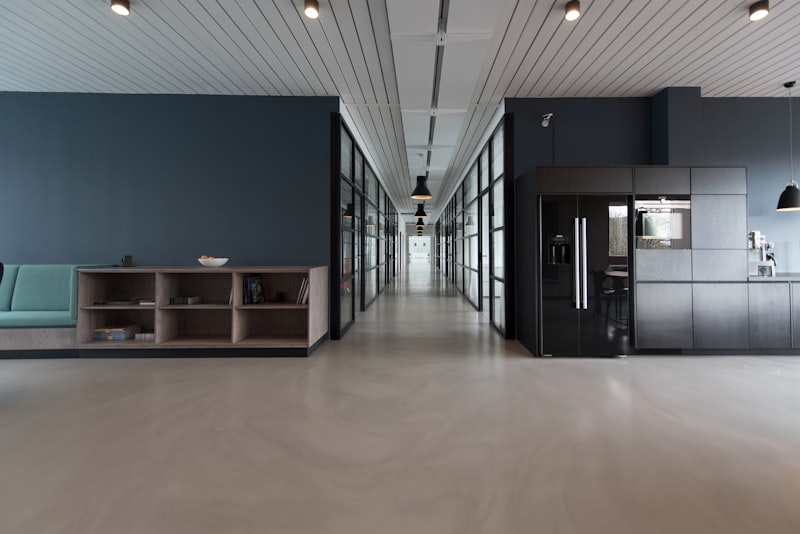
The industry impact is profound. Local businesses are experiencing a surge in demand, from boutique cafes to real estate markets. Housing prices in these secondary cities have risen, prompting cities to implement zoning reforms to ensure affordable housing remains available for long-term residents. This delicate balance is crucial for sustainable growth. Moreover, the influx of remote workers brings diverse perspectives and entrepreneurial energy, fostering innovation clusters that were previously nonexistent. Startups are increasingly choosing these locations for their lower operational costs and higher quality of life, reducing the pressure on major tech hubs while stimulating regional development.
However, challenges remain. Infrastructure strain, potential gentrification, and the need for robust public services require careful planning. Cities must invest in education and healthcare to support the growing population. As remote work becomes entrenched, the definition of “city” is expanding. Secondary cities are no longer just satellites; they
Leave a Reply