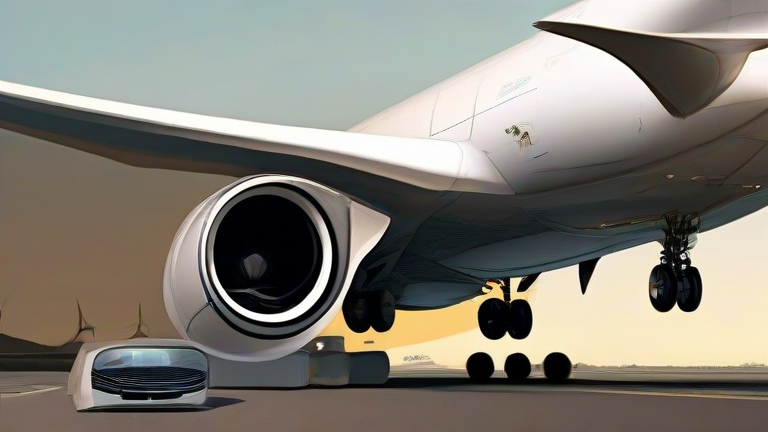
How Sustainable Aviation Fuel Reduces Emissions
The aviation industry stands at a critical juncture, facing immense pressure to decarbonize its operations. Sustainable Aviation Fuel, often abbreviated as SAF, represents one of the most viable immediate solutions to drastically cut carbon dioxide emissions without requiring a complete overhaul of existing aircraft infrastructure. This guide provides a concise overview of how SAF works and why it is essential for a greener future in air travel.

Understanding the Feedstock
The first step in understanding SAF is recognizing its diverse sources. Unlike traditional jet fuel derived from fossilized crude oil, SAF is produced from renewable resources. Common feedstocks include used cooking oil, animal fats, agricultural residues, and even municipal solid waste. By utilizing waste products, the industry prevents these materials from ending up in landfills, where they would decompose and release methane, a potent greenhouse gas. This circular economy approach is fundamental to the environmental benefits of SAF.
If you want to dig deeper, check out our guide on Vertical Farming Cuts Urban Food Carbon Footprints.
The Production Process
SAF is typically produced through rigorous chemical processes such as hydroprocessed esters and fatty acids (HEFA) or power-to-liquid (PtL) technologies. In the HEFA process, fats and oils are hydrogenated to remove oxygen, resulting in a hydrocarbon blendstock that is chemically identical to conventional jet fuel. This compatibility allows airlines to blend SAF with traditional jet fuel at ratios up to 50% without modifying engines or fueling systems. The PtL method uses renewable energy to capture carbon dioxide from the air and combine it with green hydrogen, creating a completely synthetic fuel with a significantly lower carbon footprint.
Carbon Reduction Impact
The primary advantage of SAF is its ability to reduce lifecycle greenhouse gas emissions by up to 80% compared to fossil-based jet fuel. Because the carbon emitted during the combustion of SAF was recently absorbed from the atmosphere by the plants or waste materials used to create it, the net addition of carbon to the atmosphere is minimal. This closed-loop carbon cycle contrasts
Leave a Reply