Neural Interfaces: Type With Your Thoughts
TL;DR: Neural interfaces allow users to input text by converting brain signals into digital commands, bypassing the need for physical keyboards. This technology offers revolutionary potential for individuals with mobility challenges, though it currently requires specialized hardware and significant calibration time.
The Science of Thought-to-Text
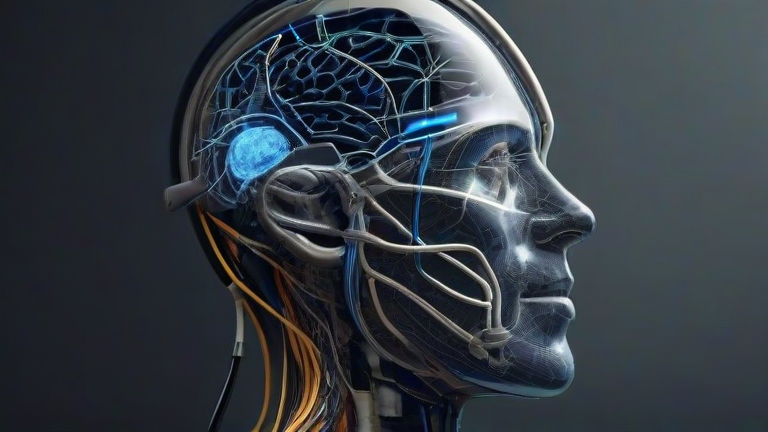
For centuries, communication has been limited by our physical ability to move hands or vocal cords. Neural interfaces, specifically brain-computer interfaces (BCIs), are shattering these barriers. By placing electrodes on the scalp or, in more invasive cases, directly on the cortex, these devices detect electrical activity associated with specific cognitive tasks. When a user imagines moving their fingers or focuses on a particular letter, the BCI software decodes these patterns and translates them into keystrokes on a screen. Recent breakthroughs in machine learning have drastically improved the speed and accuracy of these translations, moving the technology from laboratory curiosities to practical tools for daily use.
If you want to dig deeper, check out our guide on 10 Proven CRM Software Strategies to Grow Your Business.
Health Benefits and Accessibility
The primary health benefit of thought-typing lies in accessibility. For individuals suffering from amyotrophic lateral sclerosis (ALS), spinal cord injuries, or severe stroke, the loss of motor function can lead to social isolation and depression. By enabling independent communication, neural interfaces restore a sense of agency and social connection. Furthermore, for those with repetitive strain injuries (RSI) or chronic pain in the hands, using a BCI can reduce the physical strain associated with prolonged typing, allowing for longer periods of productive work without exacerbating physical conditions. It is not just about convenience; it is about maintaining mental well-being through continued engagement with the world.
Lifestyle Tips for Users and Prospects
If you are considering exploring this technology, either as a patient or a tech enthusiast, start with less invasive consumer-grade EEG headsets. These devices, while less accurate than medical-grade implants, can help you understand the cognitive demands of mind-controlled interfaces. Practice maintaining a relaxed yet focused state of mind, as tension and anxiety can introduce noise into the signal. Incorporate mindfulness meditation into your routine to improve your ability to sustain attention, which is crucial for effective BCI control. Additionally, ensure your digital environment is low-distraction. Visual clutter or background noise can interfere with the neural signals required for precise typing. Finally, prioritize ergonomic support for any remaining physical interactions. Even if you are typing with your thoughts, you may still need to adjust settings or navigate menus with a mouse or voice commands, so maintain a healthy posture to prevent secondary strain.
FAQ
Q: Are neural interfaces safe for long-term use?
A: Medical-grade implants require surgical procedures with associated risks, but consumer-grade non-invasive headsets are generally safe. Always consult with a neurologist before using any new neural technology to ensure it does not conflict with existing medical conditions or medications.
Q: How fast can you type with your thoughts currently?
A: Current non-invasive systems allow for roughly 10 to 20 words per minute, while invasive clinical prototypes have demonstrated speeds exceeding 90 words per minute. Accuracy and speed are improving rapidly as machine learning algorithms become better at interpreting complex neural data.
Q: Do I need to be a tech expert to use this technology?
A: No, modern BCI systems are designed with user-friendly interfaces. Most require a brief calibration period where you practice focusing on specific tasks, but the software handles the complex decoding in the background, allowing users to focus on communication rather than technical adjustments.
Leave a Reply