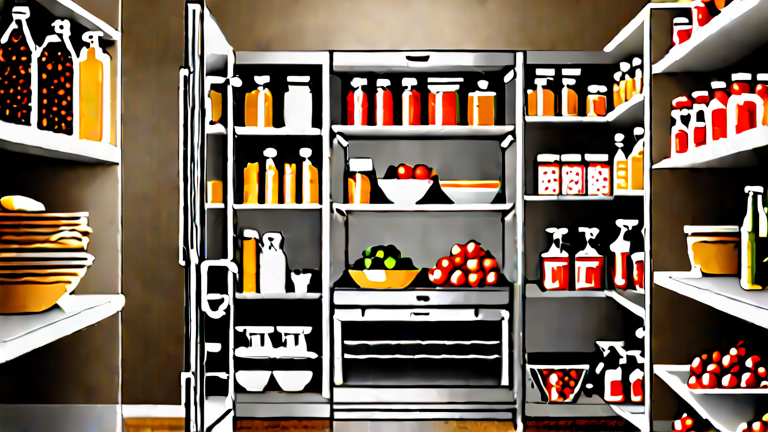
TL;DR: The Pantry Challenge is a structured 1–2 week period where you cook exclusively from your freezer, fridge, and shelves to reduce food waste and save money. By planning meals around what you already own, you cut grocery bills, boost nutrient intake from preserved foods, and reclaim kitchen space.
Why Your Freezer Is a Hidden Health Asset
Frozen fruits and vegetables are often picked at peak ripeness and flash-frozen within hours, locking in vitamins like C and folate that degrade during long transport. A 2015 study in the Journal of Agricultural and Food Chemistry found that frozen blueberries and green beans retained higher levels of antioxidants than their “fresh” supermarket counterparts stored for days. So emptying your freezer isn’t a downgrade—it’s a nutritional upgrade. Start by inventorying what you have: write a list of proteins, produce, grains, and sauces. Group them into “base meals” (e.g., frozen spinach + chickpeas + tomato paste = quick curry).
If you want to dig deeper, check out our guide on Digital Wellness Hubs for Remote Work Recovery.
Science-Backed Meal Planning to Avoid Overbuying
Behavioral economists call the tendency to stockpile “just in case” goods the endowment effect—we overvalue what we own, leading to clutter and waste. To counter this, set a strict rule: no grocery shopping for 10 days, except for fresh milk, eggs, or leafy greens. Plan meals using a “use-it-up” formula: pick one protein, one starch, two vegetables, and one sauce from your inventory. For example, frozen salmon + quinoa + roasted carrots + tahini-lemon dressing. Batch-cook soups and stews, which freeze beautifully and reheat easily, ensuring you actually consume what you defrost.
Lifestyle Tips for a Smooth Challenge
Treat the challenge as a reset, not a punishment. First, dedicate 30 minutes to “shelf archaeology”—check expiry dates and sort items into “use first” (soonest expiry) and “flexible” (canned goods, frozen proteins). Second, embrace the “cook once, eat three times” method: roast a whole chicken on day one, use leftovers for tacos on day two, and boil the carcass for broth on day three. Third, get creative with “fridge-crisper roulette”: wilted herbs become pesto, overripe bananas become overnight oats, and stale bread becomes croutons. This reduces food waste by up to 30% per household, per the USDA, while saving an average of $40–$60 per week.
Finally, set a “no-waste” rule for condiments—mix mustard, honey, and vinegar into a glaze for frozen pork chops. The challenge isn’t about deprivation; it’s about resourcefulness. A 2021 study in Nutrients linked home cooking with lower BMI and higher diet quality, partly because you control sodium and added sugars. When you empty your pantry, you naturally reduce ultra-processed snacks and increase whole-food meals. At the end of the 10 days, you’ll have a cleaner kitchen, a fuller wallet, and a renewed appreciation for what you already own.
FAQ
Q: What if I have almost no food in my pantry?
A: Start with a “mini-challenge”—3 days, not 10. Buy only one fresh staple (e.g., onions, garlic, and a lemon). Use canned beans, frozen vegetables, and grains like rice or oats as your base. The goal is to practice using what you have, not to starve yourself.
Q: Can I still eat out or order takeout during the Pantry Challenge?
A: Technically yes, but it defeats the purpose. If you must, choose one meal out per week and compensate by cooking two extra meals from leftovers. The science shows that each takeout meal adds ~200–300 more calories and 800 mg more sodium than home-cooked equivalents, so limit it to maintain the health benefits.
Q: How do I avoid food
Leave a Reply