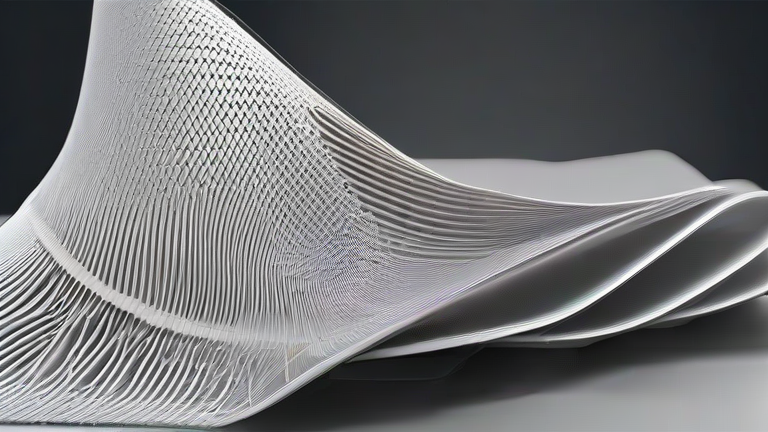
Smart Fabrics: Adapting to Body Temp & Posture
In the rapidly evolving landscape of wearable technology, a quiet revolution is taking place. It is not confined to silicon chips or glowing screens but is woven directly into the fibers of our clothing. Smart fabrics represent the next frontier in personal health monitoring and comfort, offering solutions that are less intrusive and more intuitive than traditional gadgets. These innovative textiles are designed to adapt dynamically to the wearer’s physiological needs, specifically focusing on two critical aspects: body temperature regulation and posture correction. This review explores how these materials are changing the game for athletes, office workers, and anyone seeking enhanced comfort.
The Science of Sensing and Adapting
At the heart of smart fabrics is a sophisticated network of micro-sensors embedded within the weave. Unlike rigid devices that sit on the skin, these sensors are flexible, breathable, and durable. They monitor thermal changes and muscle tension in real-time. When your body temperature rises due to exercise or stress, the fabric’s phase-change materials absorb excess heat and release it when you cool down, maintaining an optimal thermal microclimate. Simultaneously, posture sensors detect slouching or misalignment, providing subtle haptic feedback to encourage better spinal alignment. This dual functionality makes them invaluable for long-haul travelers, gamers, and professionals who spend hours at a desk.
If you want to dig deeper, check out our guide on Circular Fashion: How It Reduces Textile Waste.
Feature Highlights
The standout features of leading smart fabric products include seamless integration and user-friendly applications. The material is often machine washable, a crucial factor for consumer adoption. The companion app provides detailed analytics, offering insights into your daily movement patterns and heat distribution. Users receive gentle vibrations when they slump, helping to retrain muscle memory over time. Furthermore, the temperature regulation is passive, requiring no battery power for the thermal aspect, which significantly extends the device’s usability and reduces electronic waste.
Comparison with Traditional Wearables
Compared to traditional smartwatches or fitness trackers, smart fabrics offer a distinct advantage: invisibility. There are no buttons to press or screens to squint at. The technology works in the background, allowing for a more natural movement and experience. While wrist-based devices are excellent for counting steps and heart rate, they often fail to provide comprehensive data on upper body posture or core temperature stability. Smart fabrics fill this gap, offering
Leave a Reply