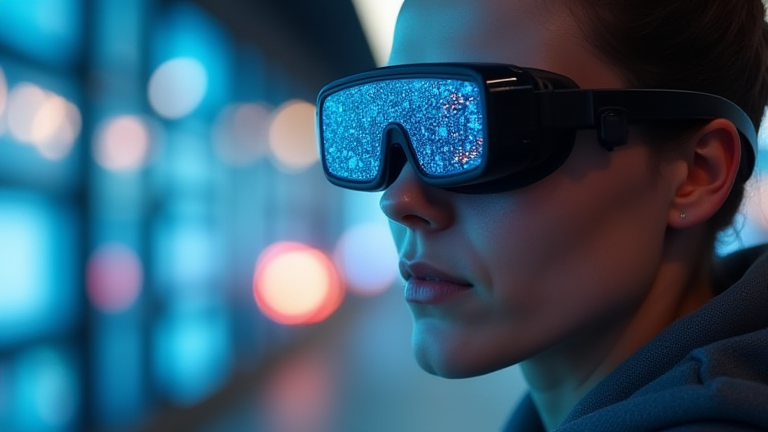
TL;DR: Spatial computing glasses have shifted from niche novelty to everyday accessory, overlaying useful digital information onto the real world without pulling you out of it. For travelers, food lovers, and anyone chasing personal growth, that means hands-free navigation, instant translation, and richer cultural context exactly when and where you need it.
Not long ago, the idea of wearing a computer on your face felt like science fiction—or at best, an expensive gimmick. That era is quietly ending. Sleeker frames, all-day battery life, and genuinely useful software have pushed spatial computing glasses into the mainstream. And while the tech headlines focus on specs and price tags, the more interesting story is what happens when these devices slip into ordinary life. For travelers, eaters, and the perpetually curious, the change is subtle but profound: the digital world is no longer a place you visit on a screen. It’s a layer draped gently over the one you’re already living in.
If you want to dig deeper, check out our guide on Best Air Fryer Recipes for Crispy Chicken Wings.
Wayfinding Without the Phone Glance
Anyone who has wandered a foreign city knows the ritual: stop, squint at a map, rotate the phone, look up, look down, repeat. Spatial glasses dissolve that friction. Directions appear as faint arrows floating a few paces ahead, guiding you through winding alleys and subway transfers while your hands stay free and your head stays up. You notice the flower stall, the corner café, the mural you’d have missed entirely if your eyes were glued to a screen. Travel becomes less about following instructions and more about absorbing the place.
Translation and Cultural Context on the Spot
Language barriers soften too. Live translation can surface subtitles for a menu, a museum placard, or a friendly shopkeeper’s advice. But the real gift is context. Imagine glancing at a temple and seeing a quiet note about its history, or looking at a dish and learning the region it comes from. These small overlays turn passive sightseeing into active curiosity. You ask better questions, linger longer, and leave with stories rather than snapshots.
The Food Angle: Ordering With Confidence
For food lovers, the payoff is immediate. Menus in unfamiliar scripts become legible. Ingredient warnings appear before you order. You can pull up reviews for the stall in front of you without breaking conversation. Even cooking at home shifts: a recipe can hover beside the cutting board, step by step, while your hands stay messy and your attention stays on the pan. The kitchen becomes a classroom that never makes you scroll with wet fingers.
Personal Growth, Gently Assisted
There’s a quieter benefit, too. Spatial glasses can nudge you toward presence rather than away from it—reminders to pause, guided walks, or language practice layered onto your actual surroundings. The technology fades into the background when it’s working well, which is precisely the point. The best tools don’t demand attention; they return it to you.
FAQ
Q: Do I need to be tech-savvy to use spatial computing glasses?
A: Not at all. Mainstream models are designed for everyday use with simple gestures, voice commands, and familiar apps, so most people are comfortable within minutes.
Q: Are they useful for short trips or only long journeys?
A: They shine on short trips too—quick navigation, menu translation, and instant context help you make the most of limited time without constant phone checking.
Q: Will wearing them make me feel disconnected from the real world?
A: The opposite, ideally. Well-designed glasses keep your hands free and your head up, layering helpful information lightly so you stay engaged with your surroundings rather than absorbed by a screen.
Leave a Reply