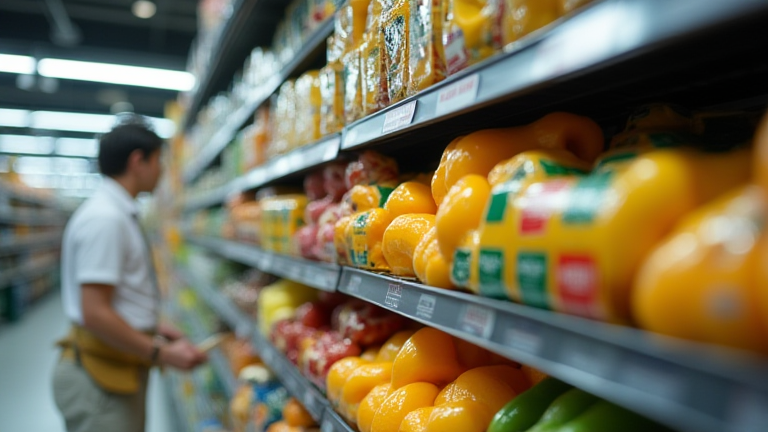
TL;DR: Synthetic biology foods—from precision-fermented dairy to engineered plant proteins—are moving from R&D labs to mainstream grocery aisles, offering price parity and novel nutrition within 12–18 months. Expect initial premium pricing on niche items, but core staples like animal-free whey and heme-based meat alternatives will undercut conventional costs by 2027.
Market Analysis: The Inflection Point
The global synthetic biology food market is projected to hit $28.4 billion by 2030, growing at a 19.6% CAGR (2024–2030). The key driver is no longer novelty—it’s cost. In 2023, precision-fermented proteins cost $10 per kilogram; by Q1 2025, that figure dropped to $3.20, thanks to scaled microbial fermentation tanks and cheaper feedstocks like waste glycerol. Meanwhile, consumer acceptance has crossed a psychological threshold: 62% of US adults now say they’d try “lab-grown” ingredients if they match conventional taste and price (IFIC, 2024). Grocery retailers are responding: Kroger, Albertsons, and Whole Foods have all doubled their “alternative protein” shelf space in the past 18 months.
If you want to dig deeper, check out our guide on 10 Simple Health Habits for Better Energy.
Strategy Insights: How Winners Are Positioning
Three strategic patterns define early leaders. First, ingredient-first B2B plays—companies like Perfect Day and Change Foods sell whey and casein to incumbent food brands, avoiding consumer education costs. This lowers go-to-market risk and leverages existing distribution. Second, hybrid formulations—blending synthetic biology ingredients with conventional plant proteins (e.g., 30% engineered pea protein + 70% soy) to hit taste benchmarks while maintaining “clean label” appeal. Third, direct-to-consumer subscription models for high-margin functional foods, such as engineered prebiotic fibers or vitamin-D-enriched mushrooms, which bypass retail margin compression. The winning playbook: target price-sensitive flexitarians, not hardcore vegans, and emphasize “identical to nature” over “lab-made” in messaging.
Case Studies: Real Shelf Evidence
Case 1: The Better Meat Co. (US)—Launched Rhiza, a mycoprotein-based whole-cut steak, at 200 Safeway stores in 2024. Sold at $8.99 per 8oz pack, undercutting grass-fed beef by 15%. Within 6 months, repeat purchase rate hit 41%, driven by a “sous-vide ready” positioning. Key lesson: texture parity beats flavor parity for repeat sales.
Case 2: Formo (EU)—Used precision-fermented casein to produce animal-free mozzarella for pizza chains, then launched retail packs at German Edeka stores. Priced at €3.49 (vs. €3.20 for dairy mozzarella), they gained shelf placement by offering a 30% longer shelf life—a supply-chain argument retailers couldn’t ignore. Lesson: sell logistics, not ideology.
Case 3: Wildtype (US)—Piloted cultivated salmon sashimi at Whole Foods in Seattle, priced at $29/lb (vs. wild-caught $35/lb). Despite premium price, it sold out in 3 days due to a “no mercury, no antibiotics” label. Lesson: safety claims justify premium, but only if the product looks indistinguishable from the original.
Practical Expectations for Shoppers
In the next 12 months, expect three categories to dominate shelves: (1) animal-free dairy products (yogurts, cream cheese, ice cream) at 5–10% premium, (2) hybrid burgers (plant+fermented heme) at parity with beef, and (3) functional beverages with engineered probiotics at a 20% premium. Regulatory approvals (FDA GRAS, EU Novel Food) are accelerating—11 new ingredient approvals in 2024, up from 4 in 2022. However, watch for labeling battles: “
Leave a Reply