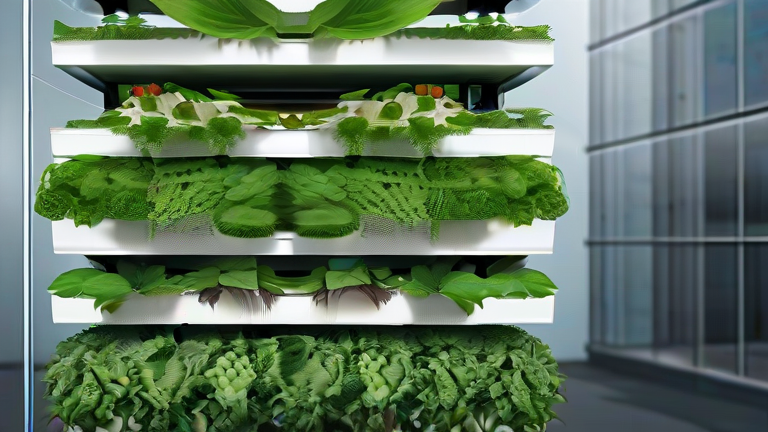
Vertical Farming in Urban Centers: How It Scales
The concept of vertical farming has transitioned from a futuristic hypothesis to a tangible reality reshaping modern agriculture. As urban populations swell and arable land diminishes, the integration of high-density agricultural systems into city centers offers a promising solution to food security challenges. This article explores the latest technological developments, technical specifications, and the broader industry impact of this revolutionary approach to growing food.
Recent advancements in hydroponic and aeroponic systems have significantly improved yield efficiency. Modern vertical farms utilize closed-loop water systems that recycle up to ninety-five percent of water compared to traditional field farming. This drastic reduction in water usage is not only environmentally sustainable but also economically viable in water-scarce regions. Furthermore, the integration of AI-driven climate control systems allows for precise management of temperature, humidity, and light spectra, optimizing plant growth cycles and reducing energy consumption by leveraging smart algorithms that adjust settings in real-time based on plant stress indicators.
If you want to dig deeper, check out our guide on 5 Simple Lifestyle Habits to Boost Your Daily Wellness and J.

On the technical front, the latest generation of vertical farming facilities employs modular shelving units equipped with full-spectrum LED lighting. These LEDs are tuned to specific wavelengths that maximize photosynthesis while minimizing heat output, allowing lights to be positioned close to plants without causing thermal damage. Specifications for these systems often include yields of ten to twenty times higher per square meter than conventional agriculture. Additionally, the use of robotic automation for seeding, transplanting, and harvesting reduces labor costs and increases operational consistency, addressing one of the primary economic barriers to entry for this industry.
The industry impact is profound. Vertical farming reduces transportation distances, thereby cutting carbon emissions associated with food logistics. It also mitigates the need for pesticides, as these controlled indoor environments naturally exclude pests. Major tech companies and agribusiness giants are increasingly investing in this sector, signaling a shift in global food production strategies. As scalability improves and costs decrease, vertical farming is poised to become a staple in urban diets, offering fresh, nutritious produce year-round regardless of external weather conditions. This technological evolution promises a future where cities are not just consumers of food, but active producers, creating
Leave a Reply