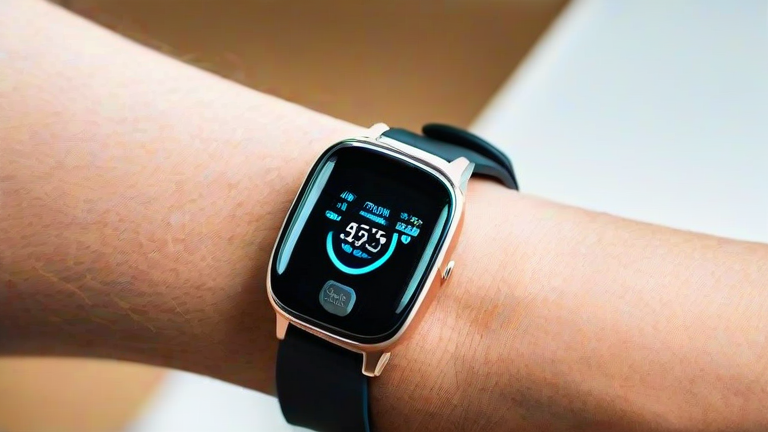
TL;DR: Wearable technology is evolving from passive data logging to active health prediction by detecting subtle physiological changes before symptoms appear. This shift enables users to intervene early with lifestyle adjustments, turning reactive treatment into proactive prevention.
From Data to Insight
For years, smartwatches and fitness bands have served as digital step counters, offering basic metrics that rarely altered daily behavior. However, recent advancements in biometric sensing and machine learning have transformed these devices into sophisticated health monitors. Researchers note that continuous monitoring of heart rate variability (HRV), resting heart rate, and sleep architecture can reveal stress patterns and potential illness markers days before they manifest clinically. This represents a paradigm shift from tracking activity to anticipating health risks, allowing individuals to take control of their well-being proactively.
If you want to dig deeper, check out our guide on Slow Travel Trends: Rail-First Trips Replace Fly-and-Flop.
The Science of Early Detection
Scientific studies suggest that deviations in baseline physiological data are strong predictors of acute illness. For instance, a sustained increase in resting heart rate often precedes an infection or significant physical stress. Similarly, fragmented sleep patterns detected by wearables can indicate elevated cortisol levels, which are linked to long-term cardiovascular issues and immune suppression. By establishing personal baselines, algorithms can identify anomalies that might otherwise go unnoticed. This data-driven approach empowers users to recognize their body’s unique signals, fostering a deeper understanding of individual health trajectories rather than relying on generalized medical advice.
Practical Steps for Prevention
To leverage this technology effectively, users should adopt a disciplined approach to data interpretation. First, ensure consistent wear time to maintain accurate baselines. Second, focus on trends rather than single data points; a one-day spike in heart rate is less significant than a week-long upward trend. Third, implement immediate lifestyle modifications when alerts occur. If your device flags high stress, prioritize a ten-minute mindfulness exercise or a gentle walk. If sleep quality drops, review your evening routine for caffeine or screen exposure. Finally, share significant data patterns with healthcare providers to contextualize your subjective symptoms with objective metrics. This collaborative approach enhances diagnostic accuracy and supports tailored prevention strategies. By integrating wearable insights into daily habits, individuals can transition from merely tracking their health to actively preserving it, reducing the burden of reactive care and promoting long-term vitality.
FAQ
Q: Are wearable health predictions medically accurate?
A: While not diagnostic tools, wearables provide valuable preliminary insights that can guide medical consultations and highlight trends requiring professional evaluation.
Q: How often should I check my health data?
A: Review weekly summaries to identify patterns, but avoid obsessing over daily metrics to prevent anxiety and data misinterpretation.
Q: Can wearables replace regular doctor visits?
A: No, they should complement professional care by providing continuous data that helps doctors make more informed decisions during appointments.
Leave a Reply