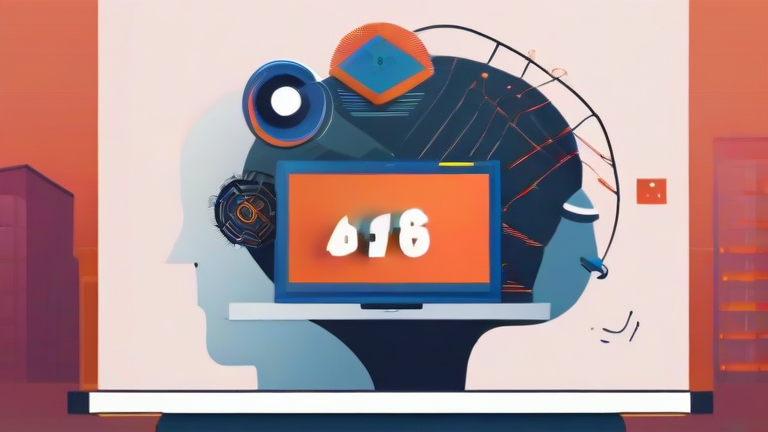
TL;DR: AI memory is not merely about storing data, but about dynamically retrieving, contextualizing, and synthesizing information to mimic human cognitive flexibility. By leveraging this capability, users can enhance personal health tracking, reduce cognitive load, and make more informed lifestyle decisions through personalized, real-time insights.
The Shift from Storage to Synthesis
Traditional database systems function like static libraries, where information is filed away and rarely cross-referenced. However, modern AI memory architectures, particularly those utilizing vector databases and long-context windows, operate more like the human hippocampus. They do not just recall facts; they understand relationships. For health and wellness, this distinction is critical. A simple log of calories consumed is data, but an AI system that remembers your sleep quality, stress levels, and dietary preferences can synthesize these factors to predict energy crashes or suggest optimal workout times. This shift from passive storage to active synthesis allows AI to function as a proactive health partner rather than a passive recorder.
If you want to dig deeper, check out our guide on Quitting Sales to Travel Europe: Why I Feel Guilty Yet Happi.
Personalized Precision in Daily Habits
Science-backed wellness relies on individuality, yet most general advice remains one-size-fits-all. AI memory solves this by maintaining a continuous, longitudinal profile of your unique physiology. For example, if an AI assistant notes that your heart rate variability drops significantly after consuming dairy and correlates this with poor sleep quality over several weeks, it can proactively suggest alternative foods. This is not just remembering that you ate yogurt; it is remembering the biological impact of that choice on your specific system. Studies in digital health indicate that personalized feedback loops increase adherence to lifestyle changes by up to 30% compared to generic reminders. By remembering your specific triggers, successes, and setbacks, AI helps create a feedback loop that reinforces positive behaviors and gently corrects negative ones, making sustainable health changes more attainable.
Reducing Cognitive Load for Mental Wellness
Mental wellness is often compromised by the sheer volume of information we must track, from medication schedules to nutrition labels. AI memory acts as an external cognitive buffer, offloading the burden of recall to the technology. This reduction in cognitive load allows individuals to focus on mindfulness and present-moment awareness, which are crucial for stress management. When you do not have to remember whether you took your vitamin D or what your blood pressure was three days ago, your mental energy is freed up for emotional regulation and creative thinking. Furthermore, AI can remember the context of your mood journals, identifying subtle patterns between social interactions and emotional well-being. This contextual awareness enables the AI to offer empathetic, timely interventions, such as suggesting a short walk when it detects a pattern of increased anxiety following work-related discussions. The goal is not to replace human intuition, but to augment it with reliable, historical context that enhances decision-making.
Practical Steps to Leverage AI Memory
To harness these benefits, start by integrating AI with your existing health ecosystem. Ensure your wearable devices sync with AI-capable health apps that emphasize long-term trend analysis over daily snapshots. Consistency is key; the more consistent your data input, the more accurate the memory becomes. Review the AI’s insights weekly, asking specific questions about correlations in your data. For instance, ask, “How does my caffeine intake affect my sleep latency?” This interactive approach transforms the AI from a passive tool into an active collaborator in your wellness journey. Always verify AI suggestions with your healthcare provider, as AI memory provides insights, not diagnoses. By treating AI memory as a dynamic, evolving partner in your health, you move beyond simple tracking to true, personalized optimization.
FAQ
Q: Is my health data safe when using AI memory features?
A: Reputable platforms use end-to-end encryption and anonymization, but you should always review privacy policies and opt for local processing when possible to minimize data exposure.
Q: Can AI memory replace my doctor’s advice?
A: No, AI provides supportive insights and patterns based on your data, but it cannot diagnose conditions or prescribe treatment; always consult a medical professional for clinical decisions.
Q: How long does it take for AI to learn
Leave a Reply