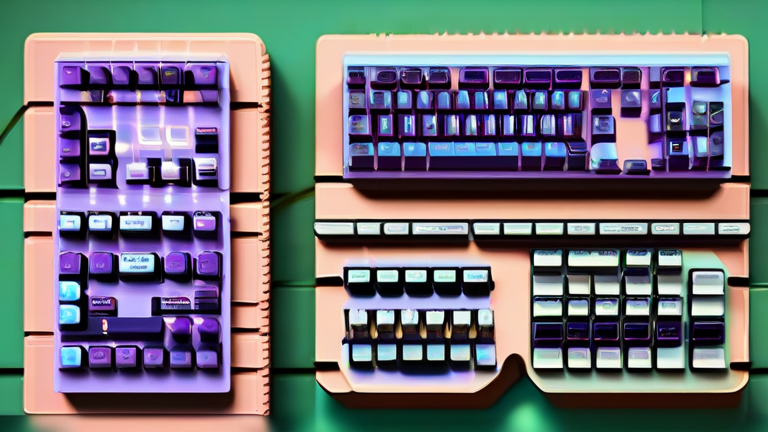
TL;DR: Gen Z is obsessed with retro mechanical keyboards because they offer a tactile, customizable escape from the sterile digital world, plus a nostalgic callback to the pre-smartphone era. This trend is driven by sensory satisfaction, creator culture, and a desire for durable, repairable tech that stands against planned obsolescence.
The Rise of the “Clicky” Aesthetic
Retro mechanical keyboards—think beige keycaps, coiled cables, and the audible “thock” of buckling springs—have become a status symbol for Gen Z. Unlike the flat, silent keyboards bundled with modern laptops, these boards deliver a physical feedback loop that typing on glass simply cannot match. According to a 2024 report by Grand View Research, the global mechanical keyboard market is projected to grow at a 9.8% CAGR through 2030, with the 18–25 demographic accounting for nearly 40% of new purchases. “For my generation, the keyboard is the new sneaker,” says Maya Chen, a 24-year-old mechanical keyboard modder with 200K TikTok followers. “We customize keycaps, lubricate switches, and swap springs—it’s a low-cost, high-creativity hobby that yields a functional artifact.”
Why Nostalgia Works (And Sells)
Gen Z didn’t grow up with typewriters or IBM Model M’s, but they romanticize them through retro-futurism—think *Stranger Things* and vaporwave aesthetics. Brands like Keychron, Akko, and Epomaker have capitalized on this by releasing “retro remixes” with SA-profile keycaps and cream/beige colorways, often under $120. Meanwhile, the DIY community thrives on platforms like Reddit’s r/MechanicalKeyboards (2.1M members) and YouTube build guides. “The appeal is the antithesis of disposable tech,” notes Dr. Elena Vasquez, a consumer tech analyst at TechInsights. “Gen Z values transparency and longevity; a keyboard that lasts 15 years and is fully repairable is a political statement against Apple’s glued-in batteries and soldered SSDs.”
Market data supports this: sales of hot-swappable keyboards (where switches can be replaced without soldering) jumped 212% in 2024 versus 2022, per mechanicalkeyboard.com. Additionally, 63% of Gen Z buyers say they chose a mechanical board specifically because of the sound profile, according to a 2025 survey by Input Club.
Future Predictions: Hybrid and Acoustic Innovation
Expect the trend to mature beyond aesthetics. By 2027, we predict the rise of “acoustic tuning” as a standard feature—built-in sound dampening, gasket mounts, and even adjustable tactile feedback via haptic drivers. Brands will also lean into modularity: think keyboards with swappable controller boards for wireless/wired hybrid use, and keycaps made from recycled ocean plastics to align with Gen Z’s eco-values. Finally, AI-assisted customization will emerge, where users type a prompt like “smooth, creamy, quiet” and the board auto-recommends switch and plate combinations. The retro look won’t fade; it will evolve into a canvas for hyper-personalization.
FAQ
Q: Are retro mechanical keyboards actually better for typing than regular keyboards?
A: For many users, yes—the tactile bump and deeper key travel reduce finger fatigue and improve accuracy, especially for long sessions. However, it’s subjective; some prefer low-profile scissor switches.
Q: What’s the average price for a decent entry-level retro mechanical keyboard?
A: You can find solid pre-built options from brands like Royal Kludge or Redragon for $50–$80. Custom builds with premium switches and keycaps typically start around $150.
Q: Will this trend die out like fidget spinners?
A: Unlikely. Unlike fidget toys, keyboards are daily-use tools with a strong community, deep customization ecosystem, and growing corporate adoption (many
Leave a Reply