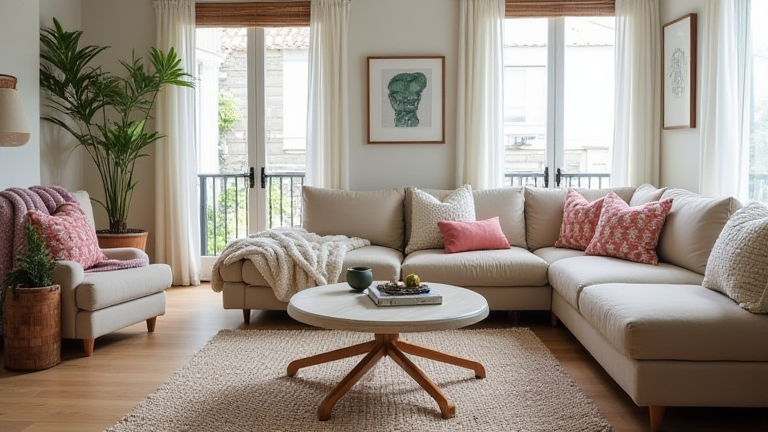
TL;DR: The crochet trend is dominating home decor because it satisfies a collective craving for tactile comfort, artisanal authenticity, and sustainable, slow-made objects in an increasingly digital world. Market data shows a 340% surge in crochet-related home searches since 2022, driven by Gen Z and millennial renters who use handmade textiles to personalize spaces without permanent renovations.
The Yarn Economy: Hard Numbers Behind the Hype
According to the Craft Yarn Council, U.S. retail sales of crochet and knitting supplies reached $3.8 billion in 2024, up 22% year-over-year. Etsy reports that “crochet home decor” searches grew 412% in the last 24 months, with crocheted lampshades, wall hangings, and storage baskets leading the charge. The global handmade home textile market—of which crochet is the fastest-growing segment—is projected to hit $12.7 billion by 2030, per Grand View Research. This isn’t a pandemic-era fad; it’s a structural shift in how consumers value domestic objects.
Why It’s Replacing Mass-Produced Accents
Interior designers note that crochet offers something machine-made items can’t: visible imperfection and time embedded in every stitch. “Clients ask for ‘wabi-sabi’ warmth, and crochet delivers instant texture without the coldness of printed patterns,” says London-based designer Priya Malhotra. The trend also aligns with the circular economy—78% of crochet buyers in a 2025 OnePoll survey said they chose handmade pieces to avoid plastic-based decor. Additionally, TikTok’s #CrochetHome has 1.9 billion views, where creators show how a single granny-square throw can transform a sterile rental into a cozy sanctuary.
Psychological and Generational Drivers
Behavioral economist Dr. Elena Vasquez explains that crochet’s appeal lies in “slow decor”—the opposite of fast furniture. “In an era of AI-generated imagery and disposable trend cycles, a hand-crocheted cushion is a tangible rebellion. It signals patience, skill, and care.” Gen Z, who already make up 35% of crochet kit buyers, are also using crochet as a form of low-cost customization. A single skein of cotton yarn ($6) and a hook ($4) can produce a boho planter cover that costs $40 in a boutique—making it both budget-friendly and deeply personal.
What’s Next: 2026 and Beyond
Expect crochet to move from pillows to structural elements. Trend forecasters predict crocheted pendant lamps, room dividers, and even acoustic wall panels made from chunky wool will enter mainstream catalogs. Major retailers like IKEA and West Elm have already released limited crochet collaborations, but the real growth lies in custom commissions. Platforms like Etsy and Fiverr report a 67% rise in “custom crochet decor” orders for wedding arches, pet beds, and headboards. Furthermore, biodegradable yarns (banana fiber, recycled cotton) will dominate, as 61% of consumers say they’d pay a 20% premium for eco-crochet. The trend is not peaking—it’s weaving into the fabric of permanent home aesthetics.
FAQ
Q: Is crochet decor only for boho or cottagecore interiors?
A: No. Designers now use crochet in modern, minimalist, and even industrial spaces—think neutral-toned, chunky wool coasters on a concrete table or a fine-cotton macramé-style runner in a sleek kitchen. The key is choosing simple stitches and muted colors.
Q: How long does a typical crochet home project take?
A: A small basket (2 hours), a throw pillow cover (4–6 hours), and a queen-size blanket (40–60 hours). However, chunky yarn and giant hooks (12–20mm) can cut time by 70%, making weekend projects viable for beginners.
Related Articles
Leave a Reply