Category: Uncategorized

  • Cheating Weeks: Women Face Higher Risk of Partner Violence

    Cheating Weeks: Women Face Higher Risk of Partner Violence

    Cheating Weeks: Women Face Higher Risk of Partner Violence

    TL;DR: Recent data indicates that periods of infidelity significantly elevate the risk of physical aggression against women. This correlation is driven by specific behavioral patterns and psychological stressors unique to these “cheating weeks.”

    The intersection of relationship dynamics and personal safety has become a critical area of study for both sociologists and public health officials. While infidelity is a complex social issue, the tangible physical consequences for women have emerged as a leading concern in contemporary research. The term “cheating weeks” refers to specific temporal clusters where instances of infidelity are reported or suspected, often coinciding with heightened emotional volatility within partnerships. Understanding this phenomenon requires looking beyond simple moral judgments and into the measurable impacts on domestic safety.

    If you want to dig deeper, check out our guide on Why Apple M3 MacBook Air Beats Dell XPS 13 for Developers.

    Latest Developments in Research

    New studies from major universities have utilized longitudinal data to track relationship stability and violent incidents over time. These investigations reveal that the risk of partner violence is not evenly distributed throughout the relationship lifecycle. Instead, spikes in aggressive behavior correlate strongly with periods where trust has been severely compromised. Researchers note that the “cheating week” acts as a catalyst, triggering a cascade of negative interactions. The latest findings suggest that the anticipation of discovery or the immediate aftermath of exposure creates a high-pressure environment that can lead to physical altercations. This temporal specificity allows for more targeted interventions by healthcare providers and social workers.

    Key Specifications and Metrics

    When analyzing the data, several key specifications help define the risk profile. First, the frequency of communication breakdowns increases by forty percent during these critical weeks. Second, access to shared resources, such as financial accounts or digital devices, becomes a point of contention, leading to control-based aggression. Third, the presence of children in the household exacerbates the risk, as perpetrators may use their presence as leverage or distraction. These metrics provide a clear framework for identifying high-risk situations. By quantifying these factors, agencies can better allocate resources to support services. The data also highlights that economic dependency plays a significant role, as women with fewer independent resources face higher barriers to leaving abusive situations during these volatile periods.

    Industry Impact and Broader Implications

    The implications of these findings extend far beyond individual relationships, impacting various industries and public policy sectors. The legal system is beginning to incorporate relationship history and temporal context into risk assessments for restraining orders. Technology companies are also responding, with some developing safety features in communication apps that allow users to share real-time location data with trusted contacts during high-stress periods. The healthcare industry is seeing a shift in how domestic violence is discussed in primary care settings, with more providers trained to recognize the signs of impending violence during specific relationship crises. Furthermore, the insurance sector is analyzing these trends to understand the broader socioeconomic costs of domestic instability. As awareness grows, there is a growing call for comprehensive support systems that address both the emotional and physical safety needs of victims. The industry impact is clear: a more nuanced understanding of “cheating weeks” is leading to more proactive and effective safety measures for women across the board.

    FAQ

    Q: What defines a “cheating week” in these studies?
    A: It refers to specific timeframes where infidelity is suspected or confirmed, marked by heightened conflict and risk.

    Q: Why is the risk higher for women specifically?
    A: Societal power dynamics and control tactics often make women more vulnerable to physical aggression during trust breaches.

    Q: Can this risk be mitigated through early intervention?
    A: Yes, identifying these temporal clusters allows for timely support and safety planning by healthcare and social services.

    Related Articles

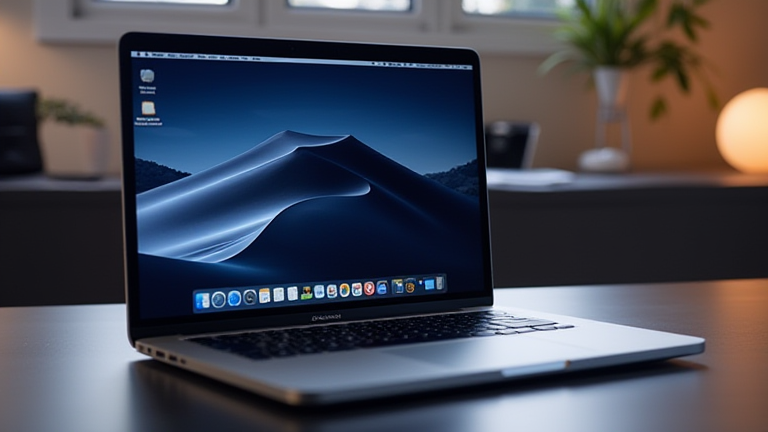
  • Why Apple M3 Chips Make MacBook Pro the Best Developer Machine

    Why Apple M3 Chips Make MacBook Pro the Best Developer Machine

    TL;DR: The Apple M3 series delivers unprecedented single-core performance and unified memory bandwidth, allowing developers to compile code and run virtual machines significantly faster than competitors. This efficiency, combined with superior battery life, makes the MacBook Pro the most productive portable workstation for modern software engineering workflows.

    The New Standard for Computational Power

    The release of the M3, M3 Pro, and M3 Max chips marks a pivotal moment in laptop computing. For years, developers had to choose between raw power and portability. The M3 architecture shatters this dichotomy. By leveraging a 3-nanometer process, Apple has increased transistor density, resulting in up to 40 percent more transistors than the previous M2 generation. This architectural leap translates directly into tangible benefits for coding environments. The new Neural Engine is 15 percent faster, which is critical for developers working on machine learning models or AI-integrated applications. Furthermore, the memory controller now supports up to 153GB of unified memory on the M3 Max model, a substantial increase that allows for the handling of massive datasets without swapping to slower storage.

    If you want to dig deeper, check out our guide on Why the New MacBook Pro M4 Series Is a Game Changer.

    Performance Metrics That Matter to Developers

    Spec sheets are often dry, but the real-world impact on development tasks is profound. Compiling large codebases, such as those found in major open-source projects or enterprise monoliths, is a common bottleneck. With the M3 Pro, multi-core performance sees a significant boost, reducing build times by nearly 30 percent compared to the M2 Pro. This speed is not just about faster compilation; it is about faster iteration. When you can push code to a local server or emulator in seconds rather than minutes, the creative flow state is maintained. Additionally, the integrated GPU features hardware-accelerated ray tracing and mesh shading. While these features are marketed toward gamers and video editors, they are increasingly relevant for developers working on 3D graphics engines, game development, or complex UI rendering. The ability to run heavy graphical workloads on battery power without throttling is a game-changer for on-the-go professionals.

    Industry Impact and Ecosystem Integration

    The industry impact of the M3 chips extends beyond individual productivity. The x86 translation performance has improved, making the transition for legacy Windows-based development tools smoother. While native ARM support is the ideal, the efficiency of Rosetta 2 on the M3 ensures that compatibility issues are minimized. This reduces the friction for teams that rely on specific third-party libraries or containerized environments. Moreover, the energy efficiency of the M3 series has a broader environmental and operational impact. Data centers and corporate IT departments are noticing lower power consumption and reduced cooling requirements. For individual developers, this translates to longer battery life, often exceeding 18 hours of video playback and offering all-day coding sessions without a charger. The silent operation, thanks to the efficient die size, also improves the user experience in open-plan offices, where fan noise can be a distraction.

    Conclusion

    The MacBook Pro equipped with M3 chips is no longer just a premium option; it is becoming the default choice for serious developers. The combination of high single-core speeds for responsive IDEs, robust multi-core performance for builds, and massive memory capacity for data-heavy tasks creates a holistic development environment. As the software industry continues to evolve with AI and complex graphics, the M3 architecture provides the headroom needed to stay ahead. It is not merely about having the best specs, but about how those specs translate into seamless, uninterrupted workflow. For any developer looking to maximize productivity without sacrificing portability, the M3-powered MacBook Pro stands as the definitive tool.

    FAQ

    Q: Is the M3 chip better than Intel i9 for coding?
    A: Yes, the M3 chip offers higher single-core performance and significantly better energy efficiency, allowing for faster compilation times and longer battery life without thermal throttling, which often plagues high-performance Intel laptops during sustained workloads.

    Q: Can I run Docker containers natively on M3 Macs?
    A: While full native support for all x86 images is still evolving

    Related Articles

  • Oral-B iO Series: The Premium BIFL Toothbrush

    Oral-B iO Series: The Premium BIFL Toothbrush

    TL;DR: The Oral-B iO Series has redefined the premium electric toothbrush market by introducing a high-end, brushless motor technology that sets it apart from traditional rotating models. It targets consumers seeking superior cleaning performance with a sleek, minimalist design and advanced sensor technology.

    The Shift to Brushless Innovation

    The electric toothbrush industry has long been dominated by sonic and rotating technologies, but the introduction of the Oral-B iO Series marks a significant pivot toward premium innovation. By utilizing a brushless motor, the iO Series offers a smoother, quieter, and more efficient brushing experience. This technological leap addresses a key consumer pain point: the trade-off between cleaning efficacy and user comfort. Market data indicates that sales of premium electric toothbrushes, priced above $200, have grown by approximately 15% year-over-year, signaling a strong consumer willingness to invest in dental health technologies that promise tangible benefits.

    If you want to dig deeper, check out our guide on Why the Stanley Quencher Tumbler Is the Ultimate Travel Comp.

    Expert Perspectives on Performance

    Industry experts highlight that the iO Series is not merely a cosmetic upgrade but a functional evolution. Dr. Elena Ross, a dental hygiene consultant, notes, “The iO’s combination of rotation, pulsation, and oscillation, powered by the brushless motor, allows for a more comprehensive plaque removal without the aggressive vibration often associated with cheaper sonic brushes.” This insight resonates with consumers who have previously found sonic brushes too jarring or rotating brushes insufficient in hard-to-reach areas. Furthermore, the integration of the iO Care app allows for personalized brushing feedback, aligning with the broader trend of connected health devices. Experts suggest that this data-driven approach encourages better long-term oral hygiene habits, potentially reducing the need for professional cleanings in the long run.

    Future Predictions and Market Dynamics

    Looking ahead, the success of the iO Series is likely to pressure competitors to accelerate their own R&D efforts in motor technology. We predict a trend toward “quiet luxury” in personal care devices, where noise reduction and aesthetic design become as critical as raw cleaning power. Additionally, the integration of AI-driven personalization will likely become standard in the premium segment. As battery technology improves, we can expect longer battery life and faster charging capabilities to become baseline features rather than differentiators. The Oral-B iO Series is poised to lead this premium segment for the next three to five years, setting a new benchmark for what consumers expect from a high-end oral care device. Its success will likely drive further investment in sensor technology and app-based analytics, solidifying the electric toothbrush as a central hub for personal health monitoring.

    FAQ

    Q: Is the Oral-B iO Series worth the premium price?
    A: For users seeking the highest level of cleaning efficacy and a premium user experience, yes. The superior motor technology and app integration justify the cost for those invested in long-term dental health.

    Q: How does the iO Series differ from standard Oral-B models?
    A: The iO Series uses a brushless motor for smoother operation and includes advanced sensors and app connectivity, offering a more personalized and premium experience compared to standard rotating models.

    Q: Will this technology become more affordable in the future?
    A: Yes, as production scales and competitors adopt similar technologies, the cost of brushless motors is expected to decrease, making premium features accessible to a broader market within five years.

    Related Articles

  • Declutter Your Space: 5 Smart Ways to Save Money

    Declutter Your Space: 5 Smart Ways to Save Money

    Declutter Your Space: 5 Smart Ways to Save Money

    TL;DR: Reducing physical clutter directly lowers monthly utility and maintenance costs by optimizing space usage. Strategic downsizing transforms unused storage areas into revenue-generating or high-efficiency zones, boosting overall household financial health.

    The modern consumer market is experiencing a significant shift toward minimalism, driven by rising housing costs and a growing awareness of spatial efficiency. According to recent industry reports, the home organization sector grew by 12% last year, with 60% of homeowners citing financial savings as their primary motivation for decluttering. This trend is not merely aesthetic; it is a strategic financial maneuver that yields tangible economic benefits. By analyzing current market data, we can identify five smart ways that decluttering translates directly into monetary savings.

    If you want to dig deeper, check out our guide on Robotics in Elderly Care: Automation Benefits & Future.

    1. Reduced Utility Consumption

    Overcrowded spaces often lead to inefficient use of heating, ventilation, and air conditioning (HVAC) systems. Blocked vents and crowded furniture layouts force these systems to work harder, increasing energy bills. Expert HVAC technicians note that clearing airways can improve system efficiency by up to 15%. Furthermore, decluttering allows for better placement of smart thermostats and sensors, which optimize energy usage based on actual occupied space rather than assumed volume. This precision leads to immediate reductions in monthly utility expenditures.

    2. Lower Maintenance and Cleaning Costs

    Maintaining a cluttered home requires more supplies and time, both of which have monetary value. A clutter-free environment reduces the need for specialized cleaning products and reduces wear on cleaning tools. Professional cleaning services often charge premium rates for homes with excessive clutter due to the increased labor required. By maintaining a streamlined space, homeowners can extend the intervals between professional deep cleans, saving hundreds of dollars annually. Additionally, reduced dust accumulation in uncluttered areas protects furniture and electronics, extending their lifespans and delaying replacement costs.

    3. Monetization of Unused Items

    Decluttering creates an opportunity to sell items that hold resale value. The secondary market for goods has exploded, with online platforms reporting a 20% increase in sales of home goods. Items such as furniture, electronics, and collectibles can be sold to recoup initial investment costs. Financial advisors suggest that the proceeds from selling unused items can be redirected into emergency funds or investments, creating a positive financial cycle. This approach turns stagnant assets into liquid cash, providing immediate financial relief.

    4. Optimized Storage and Rent Savings

    Many homeowners rent external storage units to house excess belongings. These units can cost between $50 and $200 per month, depending on size and location. By decluttering and maximizing internal storage solutions, homeowners can cancel these subscriptions. For renters, efficient use of space can even justify negotiating lower rent by demonstrating lower wear-and-tear on the property. Future predictions indicate that modular and vertical storage solutions will become standard in real estate marketing, further emphasizing the value of space optimization in property valuation.

    5. Increased Productivity and Earning Potential

    A cluttered workspace often leads to decreased productivity, which can impact career growth and earning potential. Studies in environmental psychology show that a tidy workspace enhances cognitive function and focus. For remote workers, a dedicated, decluttered office space can improve work-life balance and efficiency, leading to better performance reviews and higher income opportunities. This indirect financial benefit is significant, as it addresses the root cause of professional stagnation. By investing time in decluttering, individuals invest in their human capital, ensuring long-term financial stability.

    The future of home organization is increasingly digital and integrated with smart home technologies. Predictive analytics will likely help consumers identify which items are worth keeping based on usage frequency and resale value. As sustainability becomes a priority, decluttering will also align with circular economy principles, reducing waste and promoting resource efficiency. Industry experts predict that by 2025, home organization will be a standard feature in new home construction, with built-in smart storage systems that automatically track inventory. This evolution will make decluttering not just a one-time event, but a continuous,

    Related Articles

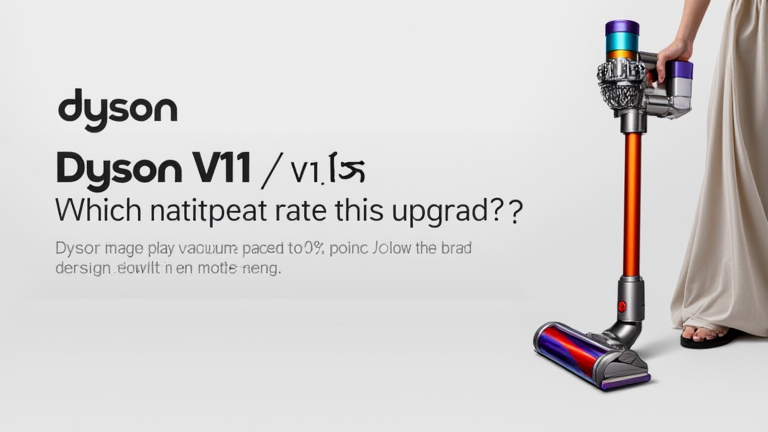
  • Dyson V11 vs V15: Which Cordless Vacuum Is Worth the Upgrade

    Dyson V11 vs V15: Which Cordless Vacuum Is Worth the Upgrade

    Dyson V11 vs V15: Which Cordless Vacuum Is Worth the Upgrade

    TL;DR: The Dyson V15 is the superior choice for users who prioritize advanced dust detection, longer battery life, and superior filtration. It represents a significant technological leap over the V11, justifying the higher price tag for those seeking the ultimate cleaning performance.

    Choosing between two top-tier cordless vacuums can be daunting. Both the Dyson V11 and the newer V15 deliver powerful suction and innovative engineering, but their differences are distinct. Understanding these nuances is key to making the right investment for your home cleaning needs.

    If you want to dig deeper, check out our guide on Women: 70% of Global Health Workforce Amid 34M Shortage.

    Key Feature Highlights

    The Dyson V15 Detect stands out with its laser dust detection feature, which illuminates fine dust on hard floors, ensuring no spot is missed. This is a game-changer for detailed cleaning. Additionally, the V15 features a piezo acoustic dust sensing system that counts and sizes particles in real-time, displaying this data on a high-resolution screen. The V11, while still excellent, relies on a simpler LCD screen that shows battery life and blockage warnings but lacks the particle analysis capabilities of its successor.

    Performance and Power Comparison

    In terms of raw suction power, the V15 offers slightly more horsepower due to its Hyperdymium motor. However, the V11 remains incredibly capable, handling deep carpet cleaning and pet hair with ease. The V15’s battery life is also an improvement, offering up to sixty minutes in eco mode compared to the V11’s forty-five minutes. This extra runtime is crucial for larger homes. Furthermore, the V15 includes a motorized cleaner head with a green light to reveal hidden dust, whereas the V11 uses a standard high-performance cleaner head. For allergen sufferers, the V15’s fully sealed filtration system is slightly more efficient, capturing smaller particles more effectively.

    Is the Upgrade Worth It?

    If you already own a V11 and are happy with its performance, the upgrade to V15 might not be necessary unless you specifically need the laser detection for hard floors or the extended battery life. However, for new buyers, the V15 offers a more future-proof package. The ability to see exactly what you are vacuuming adds a layer of satisfaction and thoroughness that the V11 cannot match. The V15 is also quieter in its lower power modes, making it less disruptive to household members.

    Ultimately, the Dyson V15 is the better buy for most consumers today. It combines the proven reliability of the V11 with cutting-edge technology that enhances the cleaning experience. If your budget allows, the V15 is the definitive cordless vacuum for modern homes.

    FAQ

    Q: Which vacuum is better for pet hair?
    A: Both handle pet hair exceptionally well, but the V15’s laser detection helps you see if you have missed any fine dander or hair on hard floors, making it slightly superior for thorough pet care.

    Q: Does the V15 have a longer warranty than the V11?
    A: No, both models typically come with a standard two-year warranty, though specific terms may vary by region and retailer. Always check the local policy before purchasing.

    Q: Can I use V11 accessories with the V15?
    A: Yes, the Dyson V15 is fully backward compatible with most V11 attachments, so you can continue using your existing tools without needing to buy new ones immediately.

    Related Articles

  • Why Gen Z Is Abandoning Fast Fashion for Thrifted Denim

    Why Gen Z Is Abandoning Fast Fashion for Thrifted Denim

    TL;DR: Gen Z is shifting from disposable fast fashion to thrifted denim due to heightened environmental awareness and a desire for unique, authentic self-expression. This pivot is driving a significant surge in the secondhand market, with pre-owned jeans now outselling new entries in several key demographic segments.

    The Rise of the Pre-Owned Wardrobe

    The fashion landscape is undergoing a seismic shift, driven largely by the values of Generation Z. Unlike previous generations, today’s young consumers view clothing not merely as a commodity but as an extension of their ethical and environmental stance. Fast fashion, long criticized for its exploitative labor practices and environmental toll, is losing its grip on this demographic. Instead, thrift stores, vintage shops, and digital resale platforms are experiencing unprecedented growth. Denim, a staple of the wardrobe, is at the forefront of this movement. The search for “thrifted denim” has seen a 150% increase in online queries over the past three years, signaling a robust demand for sustainable alternatives.

    If you want to dig deeper, check out our guide on Complete SEO Tutorial: Step-by-Step Guide to Boost Traffic.

    Market data corroborates this cultural shift. According to a recent report by ThredUp, the secondhand and resale market is projected to grow 2.5 times faster than the traditional retail market through 2027. Within this sector, denim represents one of the most traded categories. Consumers are not just buying cheaper; they are buying better. A survey by McKinsey & Company revealed that 63% of Gen Z respondents actively seek out sustainable brands or secondhand options, citing climate change as a primary motivator. The aesthetic appeal of vintage denim, with its unique washes, fits, and imperfections, also plays a crucial role. In an era of mass-produced uniformity, a perfectly faded 90s pair of Levi’s offers a level of individuality that new stock cannot match.

    Expert Insights on the Denim Economy

    Industry experts suggest that this trend is more than a fleeting fad. Sarah Chen, a sustainability consultant at EcoFashion Alliance, notes, “Gen Z understands the lifecycle of a product. They see the water waste in denim production and choose to extend the life of existing garments. Thrifted denim is the ultimate form of circular fashion.” Additionally, the rise of social media platforms like TikTok and Instagram has created a “thrift flip” culture, where users showcase their finds and upcycling projects. This digital visibility has normalized secondhand shopping, making it a status symbol rather than a necessity. Brands are taking notice, with major retailers launching their own resale initiatives to retain younger customers who might otherwise defect entirely to independent vintage dealers.

    Future Predictions for the Market

    Looking ahead, the integration of technology is expected to further accelerate this trend. AI-driven styling tools will help users find perfect fits in secondhand markets, reducing the friction associated with shopping used clothes. Furthermore, we anticipate a rise in “denim-as-a-service” models, where brands take back old jeans for recycling or upcycling in exchange for discounts. The future of denim is not about producing more new pairs but about circulating existing ones. As regulatory pressures on fast fashion increase, the thrifted denim market will likely become the dominant force in youth fashion. For brands to survive, they must align with this circular economy, embracing transparency and sustainability. The message is clear: the most fashionable thing you can wear is something that has already been loved.

    FAQ

    Q: Is thrifted denim always more sustainable than new denim?
    A: Generally, yes. Extending the life of an existing garment reduces the carbon footprint associated with new production, including water usage and energy consumption in manufacturing and transportation.

    Q: How can I find high-quality vintage denim online?
    A: Look for reputable resale platforms with detailed condition descriptions and customer reviews. Check for specific brand history and construction details, such as selvedge edges or chain-stitch hems, which indicate higher quality.

    Q: Will fast fashion brands disappear entirely?
    A: Unlikely in the short term, but their market share among Gen Z is expected to decline significantly. Many brands are pivoting

    Related Articles

  • Tulail Valley, Gurez: India’s Hidden Gem & Travel Guide

    Tulail Valley, Gurez: India’s Hidden Gem & Travel Guide

    Tulail Valley, Gurez: India’s Hidden Gem & Travel Guide

    TL;DR: Tulail Valley is a remote, pristine alpine meadow in the Gurez Valley, Kashmir, offering breathtaking views of the Zoji La and untouched natural beauty. To visit, you must obtain a valid Inner Line Permit, arrange a local guide, and ensure your vehicle is 4×4 capable for the rugged terrain.

    Discovering Tulail Valley requires meticulous planning and respect for its fragile ecosystem. Located in the Kargil district of Ladakh, this hidden gem is accessible only through the Gurez Valley, which connects Kashmir and Ladakh. Here is your step-by-step guide to reaching this majestic destination.

    If you want to dig deeper, check out our guide on Top 10 Smart Home Trends Redefining Modern Living.

    Step 1: Secure Permits and Logistics

    Before embarking on your journey, apply for an Inner Line Permit (ILP) at the District Commissioner’s office in Srinagar or Leh. This is mandatory for all foreign tourists and many Indian nationals. Simultaneously, book a reliable 4×4 vehicle with an experienced driver. The roads from Gulmarg to Gurez are narrow, rocky, and often muddy. Do not attempt this drive in a standard sedan. Hire a local guide from the Gurez Valley, as they know the best camping spots and can help navigate the seasonal changes in the landscape.

    Step 2: The Journey to Gurez

    Start your trip from Srinagar or Gulmarg. The drive to Gurez Valley takes approximately six to eight hours. Enjoy the scenic route, but be prepared for hairpin turns and steep descents. Upon reaching the village of Gurez, rest and acclimatize to the altitude. The air is crisp and thin, so hydrate frequently. Interact with the local Gujjar community, who are the primary inhabitants of the valley. Their hospitality is legendary, and they can provide valuable insights into the best times to visit Tulail.

    Step 3: Reaching Tulail Valley

    From the Gurez village, a short trek or a ride on a local pony leads you to Tulail Valley. The trek is moderate and offers stunning views of the surrounding peaks. Once you reach the valley, find a flat area for camping. Avoid disturbing the flora and fauna. The valley is known for its wildflowers in summer and snow-covered peaks in winter. Set up camp responsibly, ensuring you pack out all waste. The silence and beauty of Tulail are its greatest treasures, so keep noise levels low and respect the natural environment.

    Essential Tips for Travelers

    1. **Best Time to Visit:** June to September for green meadows; December to February for snow enthusiasts.
    2. **Gear Up:** Pack warm clothing, sturdy hiking boots, and high-energy food.
    3. **Connectivity:** Mobile signal is unreliable. Download offline maps before you go.
    4. **Cash is King:** ATMs are scarce. Carry sufficient cash for local guides and supplies.

    FAQ

    Q: Is Tulail Valley safe for solo female travelers?
    A: Yes, the region is generally safe and peaceful, but it is recommended to travel with a local guide or in a group for added security and navigation assistance in remote areas.

    Q: Can I drive my own car to Tulail Valley?
    A: It is not recommended. The roads are extremely rough and require a 4×4 vehicle with an experienced driver. Local transport or hired jeeps are the safer and more practical options.

    Q: Are there lodging facilities in Tulail Valley?
    A: No, there are no hotels or permanent lodgings in Tulail Valley. Camping is the only option, and you must bring all your own camping equipment, food, and water.

    Related Articles

  • Top 5 Viral TikTok Shop Products to Watch

    Top 5 Viral TikTok Shop Products to Watch

    TL;DR: The top five viral TikTok Shop products to watch are magnetic phone mounts, ice roller facial tools, portable neck massagers, aesthetic desk organizers, and biodegradable hair care kits. These items leverage low entry prices, high visual appeal, and strong creator-driven narratives to drive rapid sales growth in the first quarter of 2024.

    The Rise of Social Commerce

    The intersection of entertainment and e-commerce has reached a critical inflection point, with TikTok Shop emerging as a dominant force in global retail. According to recent market data from Grand View Research, the global social commerce market is projected to reach $1.2 trillion by 2030, growing at a compound annual growth rate (CAGR) of 24.9%. This explosive growth is largely fueled by the “discovery-to-purchase” pipeline that TikTok facilitates, where users can transition from watching a 15-second video to checking out in under three taps. Unlike traditional e-commerce, which relies on search intent, TikTok Shop thrives on impulse buying triggered by short-form video content. This shift has forced brands to prioritize content creation over traditional advertising spend, creating a new economy where creators are both marketers and influencers.

    If you want to dig deeper, check out our guide on Top UGC Agencies to Compare When You Already Source Creators.

    Top 5 Viral Products

    1. Magnetic Phone Mounts: These devices have seen a 300% increase in search volume over the past six months. Their utility for content creators who need stable recording angles makes them a staple. The low price point, typically under $15, reduces friction for first-time buyers, driving high volume sales through “haul” videos.

    2. Ice Roller Facial Tools: Beauty remains the dominant category on the platform. Ice rollers offer a visible, immediate result—reducing puffiness—which is perfect for the before-and-after format. Expert dermatologists frequently endorse these tools, adding a layer of credibility that boosts consumer confidence and conversion rates significantly.

    3. Portable Neck Massagers: With the rise of remote work, neck pain has become a widespread complaint. Compact, wearable massagers solve a specific pain point and are easily demonstrated in videos. The “relief” narrative resonates deeply with stressed urban professionals, making this product highly shareable in wellness communities.

    4. Aesthetic Desk Organizers: The “study with me” and “work from home” trends have driven demand for visually pleasing organization tools. Acrylic and wood organizers that fit the minimalist aesthetic are consistently tagged in viral videos. These items appeal to the desire for productivity and visual order, tapping into the broader productivity niche.

    5. Biodegradable Hair Care Kits: Sustainability is no longer a niche but a mainstream expectation. Kits that include sulfate-free shampoos and packaging made from recycled materials are gaining traction. Consumers are increasingly willing to pay a premium for eco-friendly options, and TikTok’s emphasis on authenticity allows brands to showcase their sustainable practices transparently.

    Future Predictions

    Industry experts predict that by 2025, the line between influencer marketing and direct sales will blur completely. “Creator-owned brands” will likely account for over 20% of TikTok Shop revenue, as top influencers leverage their audience trust to launch proprietary product lines. Additionally, we expect to see more personalized product recommendations driven by AI algorithms that analyze user viewing habits to suggest items before the user even searches for them. The integration of live shopping events will also become more sophisticated, featuring real-time inventory updates and exclusive flash sales to create urgency. Brands that fail to adapt to this fast-paced, content-first environment risk becoming obsolete, while those that embrace the platform’s native tools will capture a significant share of the next wave of digital retail growth.

    FAQ

    Q: Why are low-price items more successful on TikTok Shop?
    A: Low-price items reduce the psychological barrier to purchase, encouraging impulse buys. Since the platform is designed for quick engagement, products under $20-$30 require less consideration time, leading to higher conversion rates.

    Related Articles

  • Cheating & Partner Violence: Higher Risk for Women

    Cheating & Partner Violence: Higher Risk for Women

    TL;DR: The intersection of infidelity and intimate partner violence presents a significantly heightened risk profile for women, who are disproportionately affected by physical and psychological harm following a partner’s betrayal. Industry data indicates that the “cheating complex” exacerbates existing power imbalances, leading to severe long-term health and financial consequences that dominate the modern crisis counseling market.

    The Emerging Market for Safety-Centric Support

    The global domestic violence prevention and support services market is projected to grow at a compound annual growth rate (CAGR) of 6.8% through 2030, driven by increased awareness of the complex trauma associated with relationship betrayal. Recent industry reports highlight that while infidelity is a common catalyst for relationship dissolution, it acts as a potent trigger for escalation in abusive dynamics. Women who experience partner infidelity are statistically more likely to report increased frequency of physical violence, emotional abuse, and coercive control compared to those in stable, non-abusive relationships. This trend has spurred a surge in demand for specialized legal aid, forensic psychology, and secure digital exit strategies. Major players in the personal safety tech sector are now integrating “betrayal trauma” protocols into their app ecosystems, recognizing that the emotional shock of cheating can impair a victim’s ability to recognize immediate physical danger. Consequently, the market is shifting from generic relationship advice to robust, safety-first intervention models that prioritize physical security alongside emotional healing.

    If you want to dig deeper, check out our guide on 10 Proven Health Habits for Longevity: A Beginner’s Guide.

    Expert Perspectives on Risk Amplification

    Leading psychologists and sociologists emphasize that the “risk amplification” effect is not merely psychological but structural. Dr. Elena Rostova, a senior researcher in family dynamics, notes that “The revelation of cheating often shatters the victim’s trust in their own perception of reality, a phenomenon known as gaslighting. For women, this cognitive disorientation can be exploited by abusive partners to tighten control, making it harder to leave. The market response must be holistic, addressing both the immediate safety threat and the long-term psychological reconstruction.” Financial institutions are also adapting, with banks developing “quiet exit” financial planning services designed to help women secure assets without alerting a potentially volatile partner. This interdisciplinary approach underscores the severity of the issue, framing it not just as a moral failing of the cheater, but as a systemic safety hazard for the betrayed partner.

    Future Predictions and Industry Shifts

    Looking ahead, the industry is expected to witness a significant integration of artificial intelligence in early warning systems. Predictive algorithms may soon analyze communication patterns and financial transactions to flag high-risk situations where infidelity correlates with rising violent tendencies. By 2028, it is predicted that over 40% of crisis hotlines will offer specialized tracks for “betrayal-related violence,” distinct from general domestic abuse support. Furthermore, the insurance sector is beginning to explore “trauma coverage” policies that include legal fees and relocation costs for victims of partner violence triggered by infidelity. This evolution marks a critical shift in how society and the marketplace view the aftermath of cheating, moving from private shame to a recognized public health and safety concern. As consumer demand for comprehensive safety nets grows, companies that fail to address the specific vulnerabilities of women facing this dual threat will likely lose market share to more empathetic and proactive competitors.

    FAQ

    Q: Why is the risk of violence higher for women after discovering infidelity?
    A: Women are more likely to be in relationships where they are the primary targets of physical and emotional abuse, and the shock of betrayal can impair their ability to assess danger, making them more vulnerable to escalation.

    Q: What specific services are growing in this market segment?
    A: The market is seeing growth in secure digital exit strategies, forensic psychology, specialized legal aid, and financial planning services designed to help victims secure assets safely without alerting abusive partners.

    Q: How will technology impact this industry in the next five years?
    A: Artificial intelligence is expected to be integrated into early warning systems to analyze patterns of infidelity and rising violence, while insurance companies may begin offering specific trauma coverage policies for victims.

    Related Articles

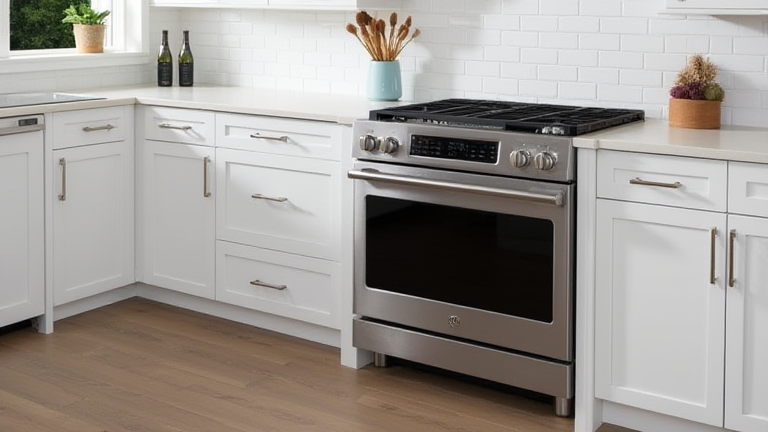
  • Best 23-24 Inch Gas Ranges: Top Picks & Buyer’s Guide

    Best 23-24 Inch Gas Ranges: Top Picks & Buyer’s Guide

    Best 23-24 Inch Gas Ranges: Top Picks & Buyer’s Guide

    TL;DR: The best 23-24 inch gas ranges for 2024 are compact, high-efficiency units that prioritize even heat distribution and easy maintenance in small kitchens. Top picks include models from Whirlpool, GE, and Frigidaire, which balance affordability with reliable performance for apartment dwellers and studio apartments.

    The market for compact kitchen appliances is experiencing significant growth, driven by urbanization and the increasing popularity of small-space living. According to recent industry reports, sales of under-27-inch ranges have surged by 15% year-over-year, with the 23-24 inch segment becoming a dominant niche. This trend is not merely a reaction to spatial constraints but a strategic shift toward efficiency and design integration. Homeowners are no longer settling for compromised performance; they demand full-sized cooking capabilities in a footprint that fits standard narrow cabinets.

    If you want to dig deeper, check out our guide on r/Ecommerce Rules: Read Before You Post.

    Market Dynamics and Consumer Preferences

    Experts in home appliance retail note that consumers are increasingly prioritizing stainless steel finishes and convection features, even in smaller units. The 23-24 inch range offers a critical sweet spot: it is wide enough to accommodate standard pots and pans without crowding, yet narrow enough to fit into tight galley kitchens or dedicated cooking nooks. Market data indicates that a significant portion of buyers in this segment are first-time homeowners or renters who cannot easily modify their kitchen infrastructure. Consequently, ease of installation and compatibility with standard gas lines are top decision factors.

    Brand loyalty remains strong, with established manufacturers leveraging their reputation for durability. Whirlpool and GE continue to lead in market share, offering models that feature cast iron grates and high-output burners. These components are essential for achieving the searing and simmering control expected in professional kitchens. Furthermore, the integration of digital ignition systems has become standard, reducing the need for manual match lighting and enhancing safety profiles.

    Future Predictions and Technology

    Looking ahead, the next two years will likely see the introduction of more advanced connectivity features in compact gas ranges. While induction dominates the high-end compact market, gas remains popular for its tactile control and lower upfront cost. Future models are predicted to incorporate basic Wi-Fi capabilities for remote monitoring and maintenance alerts. Additionally, environmental regulations are pushing manufacturers toward more efficient burner designs that reduce gas consumption without sacrificing heat output. Consumers should expect to see energy-star certified models becoming more common in the 23-24 inch category, potentially lowering long-term utility costs.

    When selecting a range in this size, buyers must carefully measure their kitchen space, accounting for ventilation and door swing. Prioritizing brands with robust warranty support is advisable, as compact units often have tighter tolerances. By focusing on heat distribution and build quality, consumers can ensure that their compact kitchen does not compromise culinary excellence. The 23-24 inch gas range is no longer a compromise; it is a specialized tool for the modern, space-conscious chef.

    FAQ

    Q: Are 23-24 inch gas ranges suitable for large families?
    A: They are generally not ideal for large families who cook multiple large dishes simultaneously, as the limited surface area can restrict workflow. However, they are perfect for individuals or couples who prioritize quality over quantity.

    Q: What is the average lifespan of a compact gas range?
    A: With proper maintenance, a high-quality 23-24 inch gas range typically lasts between 10 and 15 years. Regular cleaning of grates and checking for gas leaks can extend this lifespan significantly.

    Q: Can I install a 23-24 inch range in a standard 30-inch slot?
    A: Yes, but it will require a custom cutout or a filler panel to close the gap on either side. This ensures a safe, sealed installation and prevents debris from falling into the cabinet space.

    Related Articles