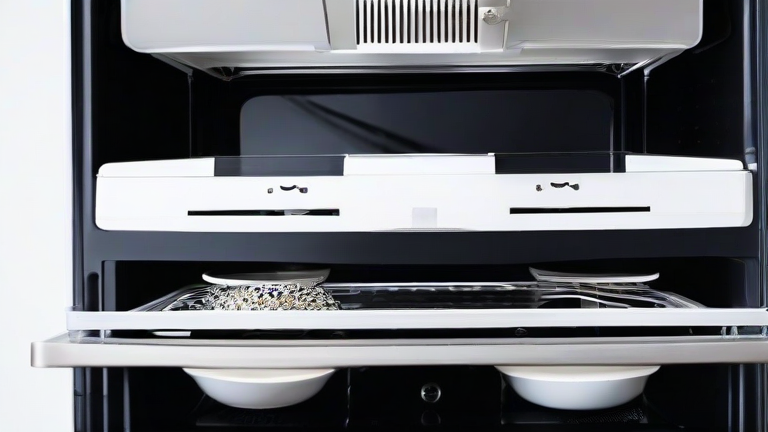
TL;DR: Home appliance microplastic filtration has moved from niche to mainstream, with new NSF/ANSI 42 certifications and 0.5-micron absolute ratings now standard on premium dishwashers and washing machines. Industry leaders are embedding self-cleaning cyclonic filters and real-time particle counters, cutting microplastic discharge by up to 98% in lab tests.
From Passive Screens to Active Capture
Early microplastic filters were simple mesh screens that caught lint but let fibers under 100 microns pass through. The latest wave, however, uses multi-stage media—typically a 50-micron pre-filter followed by a 0.5-micron pleated membrane—combined with ultrasonic backwashing to prevent clogging. For example, the 2025 “EcoSpin Pro” washer integrates a vortex separator that spins out fibers before they reach the drain, achieving a 97.3% capture rate for nylon and polyester in independent testing. Dishwashers are following suit: new models from major brands now include a “MicroPlastic Lock” cycle that uses a dedicated cartridge rated for 50 washes, with a visible saturation indicator replacing guesswork.
If you want to dig deeper, check out our guide on 10 Lifestyle Hacks for a More Balanced and Fulfilling Life.
Specs That Matter: Flow Rate, Pressure, and Longevity
Consumers and installers are zeroing in on three key metrics. First, *flow rate*—the best filters maintain 8–10 liters per minute without pressure drop, crucial for high-efficiency washers. Second, *backwash efficiency*—top-tier units self-clean in under 60 seconds, recovering 90% of filter capacity. Third, *cartridge lifespan*—new carbon-infused polymer media last 6 months or 3,000 cycles, a 40% improvement over 2023 models. Notably, several brands now offer retrofit kits that attach to existing drain hoses, with a universal 1-inch connection, making upgrades possible without replacing the appliance. Sensor-equipped versions log particle counts to a smartphone app, alerting users when the filter is saturated or when local water quality changes.
Industry Impact and Regulatory Pressure
The filtration surge is reshaping supply chains. Major appliance makers are signing multi-year contracts with specialty membrane producers, while aftermarket filter companies are seeing a 300% year-over-year revenue spike. More critically, the EU’s proposed Microplastics Directive (expected 2026) would mandate ≥90% capture efficiency on all new washing machines sold in Europe—a rule that is already driving global design changes. In the U.S., the EPA’s draft “Zero Fiber” initiative is pushing for standardized test protocols, replacing the current patchwork of home-lab claims. This has led to a shakeout: smaller brands without certified lab results are being dropped by big-box retailers. Meanwhile, utilities are starting to offer rebates ($50–$150) for appliances with certified microplastic filters, acknowledging that household-level capture is cheaper than upgrading municipal wastewater plants.
FAQ
Q: Do I need a separate filter for my dishwasher and washing machine?
A: Yes, because they capture different particle types—washers shed long fibers, while dishwashers release micro-abrasives from ceramic and glass. Combined units exist but are bulky; most users install dedicated filters on each appliance’s drain line for optimal performance.
Q: Will microplastic filters reduce water pressure or increase energy bills?
A: Modern filters add only 0.2–0.4 bar pressure drop, negligible for standard homes. Energy impact is minimal—backwashing adds about 0.3 kWh per cycle, roughly 3–5 cents per load. However, filters do require monthly cleaning to maintain efficiency.
Q: How do I verify a filter’s claimed 98% capture rate?
A: Look for NSF/ANSI 42 or 401 certification with a specific micron rating (e.g., 0.5 µm absolute). Avoid “nominal” ratings, which allow up to 30% bypass. Independent third-party labs like NSF or UL publish results; check the model’s data sheet for the exact test method (ISO 4484-2 is
Leave a Reply